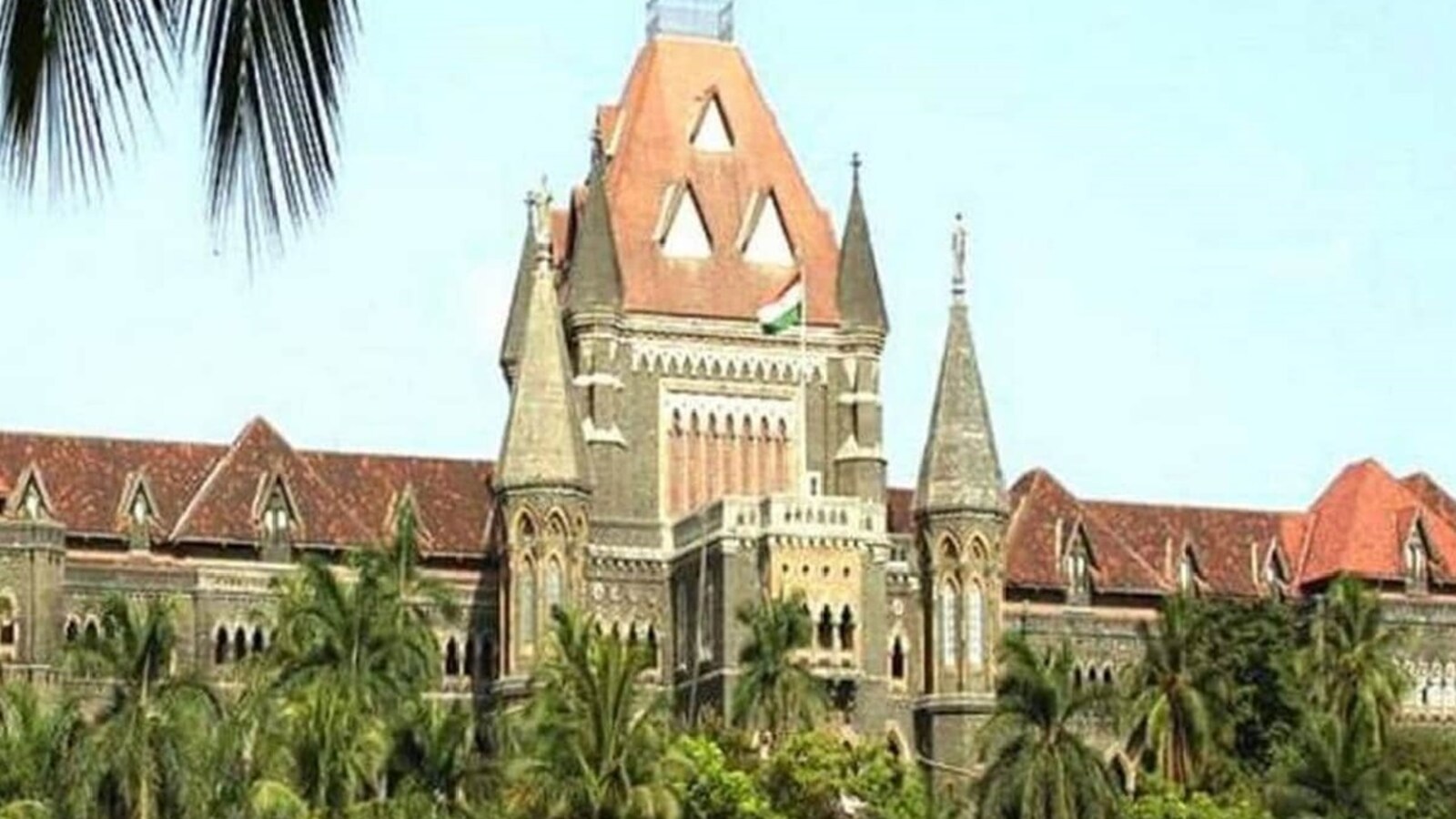
Bombay High Court has clarified that CIDCO’s 22.5 percent developed land return scheme is voluntary and not mandatory for landowners. The judgement reinforces the primacy of statutory rights over administrative or policy measures in the land acquisition process.
The court highlighted that if a landowner declines to participate in the scheme, CIDCO or any acquiring authority must adhere to the procedures prescribed under the Right to Fair Compensation and Transparency in Land Acquisition, Rehabilitation and Resettlement (LARR) Act, 2013, as well as Section 126 of the Maharashtra Regional and Town Planning (MRTP) Act. This ensures landowners receive fair compensation, rehabilitation, and resettlement as mandated by law. The order dated September 25 explicitly stated that administrative measures cannot override legal protections. Authorities seeking land for public purposes must either complete the acquisition within the legally prescribed timeframe or release the land. Experts emphasise that this ruling clarifies that participation in the developed land return scheme, offering 22.5 percent of the acquired land in developed form, is a matter of choice for the landowner. If declined, CIDCO is legally obliged to provide full monetary compensation.
Industry analysts believe the decision could significantly impact projects under the Navi Mumbai Airport Influence Notified Area (NAINA) and Navi Mumbai International Airport (NMIA) development initiatives, where disputes over land pooling and compensation have been frequent. The verdict establishes a clear legal precedent for authorities and developers, reducing ambiguities around voluntary participation in land return schemes. The court’s interpretation also reaffirmed key legal protections under Article 300A of the Constitution, which safeguards property rights. Legal experts suggest that the ruling may now serve as a reference point for ongoing and future land acquisition cases across Maharashtra, particularly in fast-growing urban and peri-urban areas where land pooling and compensation disputes are common.
With rapid urban expansion in Navi Mumbai and ambitious infrastructure projects underway, this judgement strengthens the balance between development objectives and the protection of individual land rights. Urban planners and policymakers are expected to align future acquisition practices with the court’s guidance to ensure legal compliance and maintain public trust in developmental frameworks. As the city continues to evolve into a major urban and economic hub, the ruling provides clarity for landowners and developers alike, ensuring that legal rights are not compromised for policy expediency, while reinforcing a framework for equitable and sustainable urban growth.
Bombay High Court Confirms CIDCO 22.5 Percent Land Return Scheme Not Mandatory