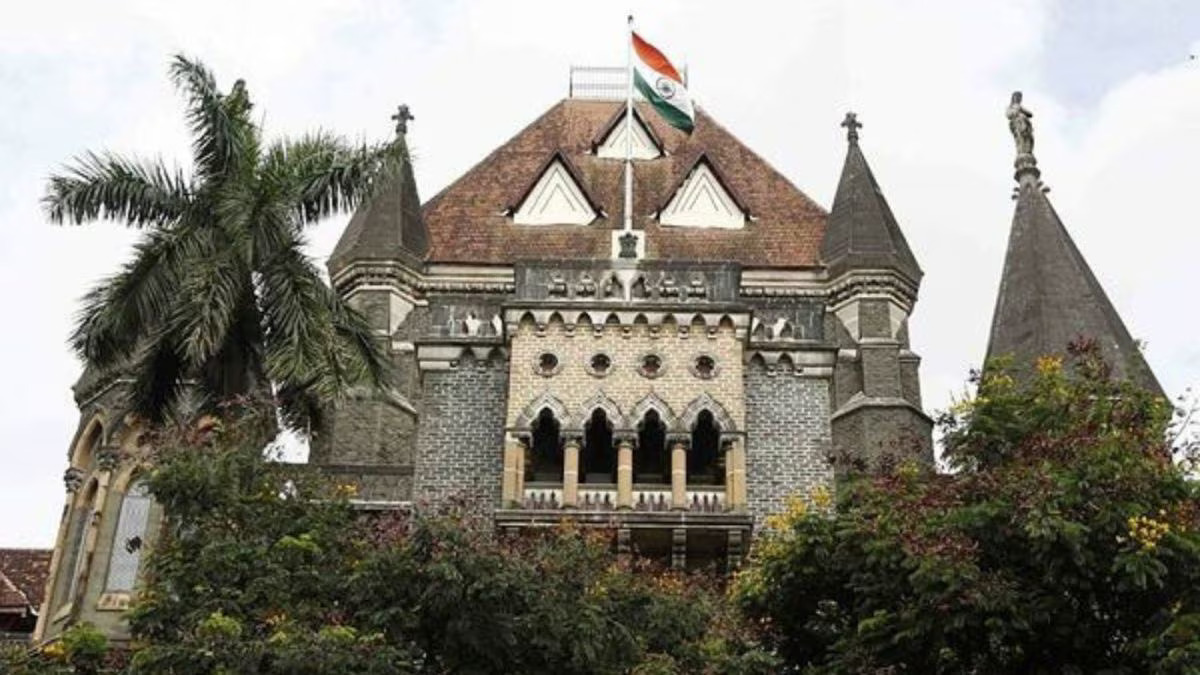
A prolonged legal standoff holding up a critical piece of Mumbai’s mass transit expansion has come to an end, with the Bombay High Court declining to intervene in the transfer of land at Kanjurmarg for a key metro facility. The ruling removes a major procedural barrier for the Metro Line 6 project, which depends on the site for housing and maintaining its train fleet.
The dispute centred on a parcel of salt pan land in Kanjurmarg that had been transferred by the state administration to the Mumbai Metropolitan Region Development Authority for use as a metro depot. A private developer had challenged the transfer, arguing that the land could not be repurposed while civil litigation and alternative reservations were pending. The court, however, found the challenge untenable and declined to extend an interim status quo that had stalled on-ground activity for months. For urban transport planners, the decision is significant because depots are not ancillary facilities but operational backbones of metro systems. Without a functioning depot, train testing, stabling and regular maintenance cannot proceed, effectively delaying passenger services even if track and station works are complete. Industry experts note that depot-related litigation has become a recurring bottleneck in Indian metro projects, often pushing timelines back by years.
The Kanjurmarg site has a particularly complex history. Over the past five years, it has been linked to multiple, shifting infrastructure proposals, reflecting broader challenges in land governance within dense metropolitan regions. Earlier plans had earmarked parts of the land for a different metro corridor before policy decisions redirected that facility elsewhere. The latest allocation for Metro Line 6 once again triggered legal scrutiny, this time involving questions over leasing rights, housing reservations and the respective powers of state and central authorities. During earlier hearings, even the Union government had sought judicial intervention, highlighting an unusual inter-governmental dispute over land administration. That challenge was later withdrawn, leaving the private developer’s plea as the final obstacle. With the court now declining to maintain any freeze on the land, authorities are free to proceed with preparatory works at the depot site.
Metro Line 6 is planned as an east–west connector linking dense residential neighbourhoods with employment hubs, offering an alternative to overcrowded arterial roads. Transport analysts say its timely completion is essential not only for daily commuters but also for reducing road traffic emissions and improving the reliability of public transport across the suburban network. Urban policy specialists add that the ruling underscores the need for clearer land-use frameworks and faster dispute resolution mechanisms for public infrastructure. Prolonged uncertainty inflates project costs, delays climate-positive mobility investments and erodes public confidence.
With legal clarity now restored, the focus shifts back to execution. The pace at which depot construction progresses at Kanjurmarg will be closely watched, as it will determine whether Metro Line 6 can move from prolonged planning into active service delivery—an outcome with far-reaching implications for sustainable urban mobility in Mumbai.
Bombay High Court Clears Kanjurmarg Metro Depot