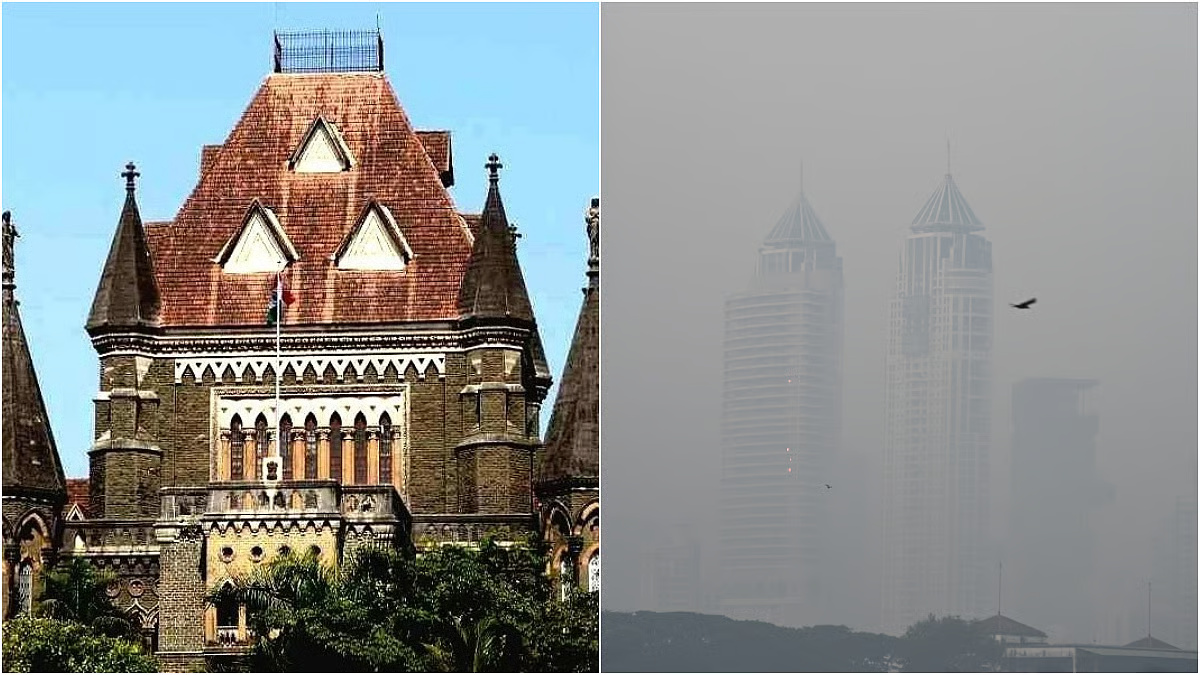
The Bombay High Court on Monday declined to grant an urgent hearing to a consortium of developers seeking intervention in a public interest litigation (PIL) addressing Mumbai’s escalating air pollution. The bench of Chief Justice Shree Chandrashekhar and Justice Gautam Ankhad emphasised that developer compliance with pollution-mitigation norms must first be evaluated before considering their involvement.
The developers argued that mandated sensor-based air quality monitoring was difficult due to limited suppliers, as only 13 vendors authorised by the Brihanmumbai Municipal Corporation (BMC) could provide equipment. However, the court stressed that actionable solutions were more important than repeated affidavits, underscoring the need for concrete accountability measures. A senior advocate noted that the court-appointed independent committee’s report was ready. This panel, formed on November 28 and comprising officials from the BMC, Maharashtra Pollution Control Board (MPCB), the public health department, and two legal representatives, conducted site visits between December 6 and 13. The inspections spanned Mumbai and Navi Mumbai, including Ready Mix Concrete (RMC) plants and other high-AQI zones, and follow-up meetings with BMC officials addressed mitigation strategies.
The court’s focus remains on practical interventions rather than procedural filings. “Let us find out some solutions,” the bench stated, reinforcing the principle of civic accountability and responsible urban governance. The next hearing is scheduled for December 22 at 4 pm. Public health concerns featured prominently during proceedings. An advocate cited a case involving a child whose lung development has been adversely affected by persistent exposure to pollutants, highlighting the urgency of effective air quality management. The Chief Justice reaffirmed that monitoring and compliance are central to addressing such health impacts.
The BMC has detailed multiple measures to curb pollution, including deploying sensors, issuing stop-work notices under the Graded Response Action Plan (GRAP), transitioning bakeries to cleaner fuels, increasing electric bus usage, operating dust mitigation units at critical junctions, and managing construction and demolition waste through dedicated facilities. Officials emphasised that systematic enforcement, combined with developer cooperation, remains key to reducing particulate emissions and protecting vulnerable populations. Experts suggest that ensuring sustainable construction practices and timely monitoring can significantly mitigate urban air pollution in Mumbai. The PIL, coupled with court oversight, could establish a precedent for accountability in rapidly developing Indian cities, balancing economic growth with public health imperatives.
Bombay HC Rejects Developers Request In Mumbai Air Pollution PIL Case