


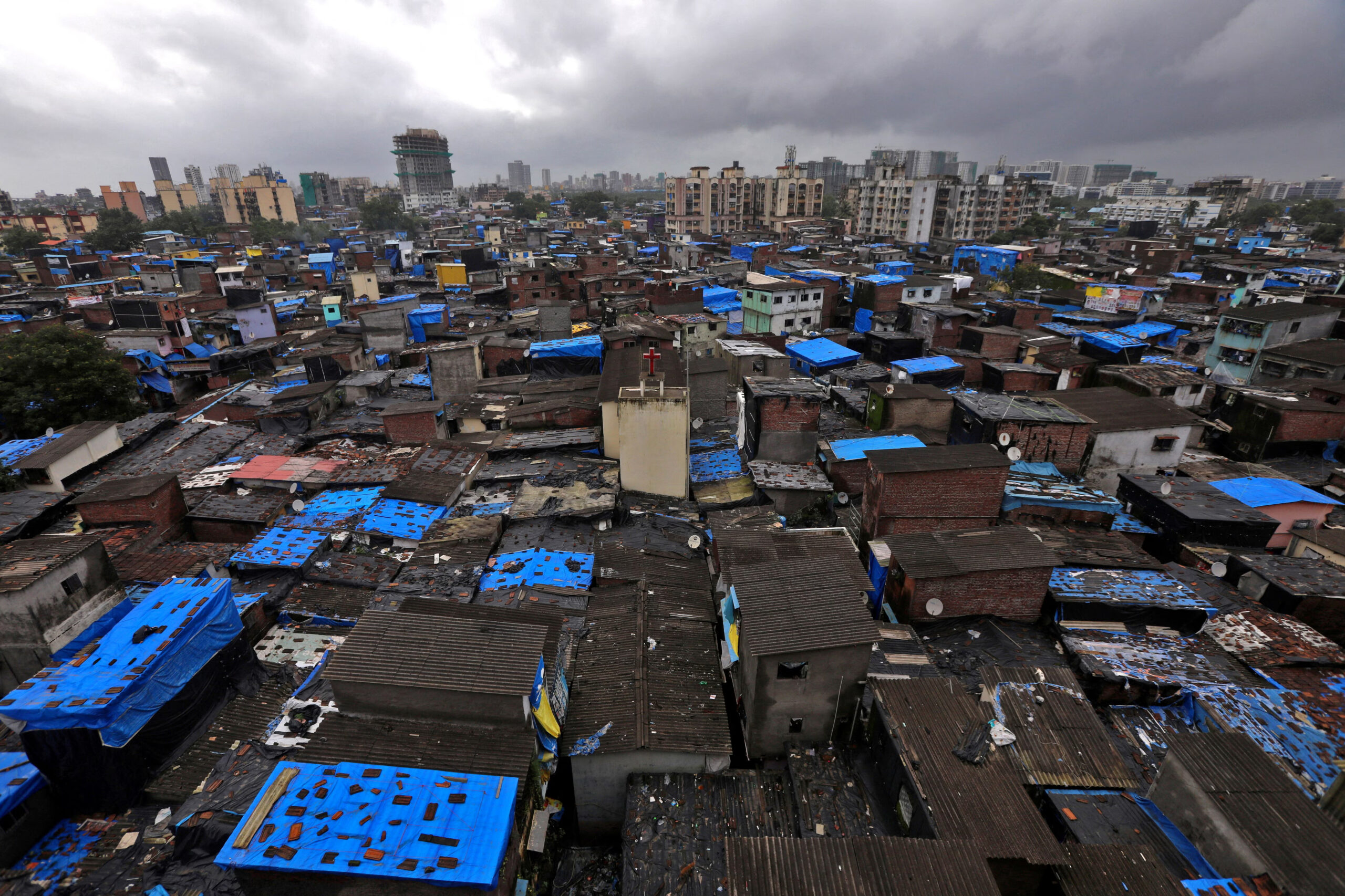
The Bombay High Court has raised serious concerns over the Slum Rehabilitation Authority’s (SRA) decision to permit redevelopment of 33 acres of prime government land in Colaba-Cuffe Parade, warning that large-scale private and slum rehabilitation projects cannot compromise public interest. The bench emphasised that such valuable land in an already space-starved city must primarily serve essential civic needs rather than being diverted for private development.
The petitions, filed by local residents’ associations and a private developer, highlighted that nearly 65,000 slum dwellers occupy the area and seek rehabilitation under the SRA scheme. The petitions also questioned whether the Defence Ministry’s refusal to issue a no-objection certificate (NOC) had been appropriately considered before granting SRA approvals, citing proximity to sensitive defence installations. The court underscored that granting such “largesse” could result in permanent removal of public land from civic use, a concern particularly acute in South Mumbai, where gardens and open spaces are already scarce. “The rights of slum dwellers cannot outweigh public interest when vast government land is involved,” the bench stated, urging careful scrutiny of the redevelopment approvals.
Officials also questioned the inclusion of a resale component in the redevelopment plan, which could allow private apartments to be constructed alongside rehabilitation units. Observing that the resulting land value and potential profits would be astronomical, the court termed the practice a “usual modus operandi” to siphon off public assets, and stressed that any large-scale diversion requires explicit state cabinet approval. To ensure transparency and accountability, the court directed the State Government, Defence Ministry, and SRA officials to submit affidavits clarifying approvals and compliance with existing legal frameworks by the next hearing. The bench noted that previous rulings have consistently held that slum dwellers do not have automatic legal rights to occupy prime government or private land, especially in high-value areas such as Colaba, Cuffe Parade, Malabar Hill, or Pedder Road.
Urban development experts observing the case pointed out that while rehabilitation of slum dwellers is critical, large-scale private projects on public land raise questions of sustainable urban planning. Mumbai’s already high population density and limited open spaces make preservation of public land essential for long-term livability, green spaces, and climate-resilient urban planning. The petitions highlighted a longstanding impasse: slum dwellers in the area have awaited rehabilitation for over two decades, with development repeatedly delayed due to legal and procedural hurdles. While the SRA’s initiative aims to address housing needs, the court’s intervention underscores the delicate balance between social welfare and public asset management in Mumbai’s congested urban landscape.
As Mumbai continues to grapple with limited open spaces, the High Court’s scrutiny of SRA’s approvals signals a broader emphasis on accountability, transparency, and equitable urban development. Officials and planners are now under pressure to ensure that redevelopment projects prioritise both housing rights and public interest, without undermining the city’s long-term sustainability goals.
Also Read: Bombay HC Considers Action Against Civic Officials Over Illegal Hoarding Complaints
