


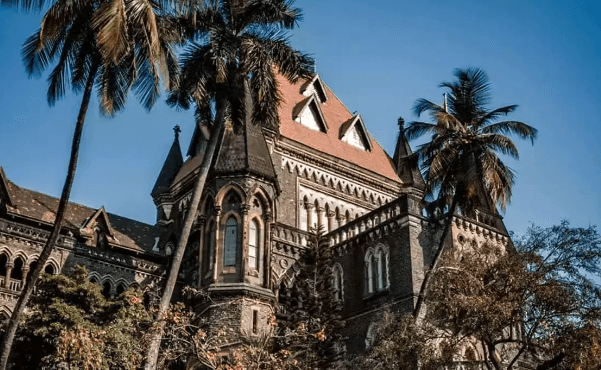
The Bombay High Court has intervened decisively to prevent a state-wide bandh in Maharashtra, scheduled for August 24, calling it unconstitutional and potentially disruptive. This move follows a petition from various parties and is intended to safeguard public order and economic stability.
A bench comprising Chief Justice DK Upadhyaya and Justice Amit Borkar issued a restraining order against political parties and individuals who had called for the bandh. The court highlighted the adverse impact such a bandh could have, noting that it would severely disrupt economic activities and essential services across the state. The bandh was called by the opposition alliance Maha Vikas Aghadi (MVA) in response to a troubling incident involving the alleged sexual assault of two kindergarten girls in Badlapur.
The incident, which occurred on August 1, only saw an FIR lodged on August 16, sparking public outrage and subsequent calls for statewide protest. The court expressed concern that allowing the bandh would lead to significant disruption in vital services such as healthcare, education, and public transport. Specifically, the high court warned that the shutdown could cripple Mumbai’s local train services—an essential lifeline for millions—and adversely impact other critical infrastructure, including electricity and water supply.
The bench also took into account recent instances of similar agitations, such as those by the Maratha community seeking reservation, which had previously overwhelmed the state’s administrative capabilities. These disruptions had previously showcased the state’s limited capacity to manage such large-scale protests effectively. In addition to restraining the bandh, the court has directed the Maharashtra government to ensure the enforcement of guidelines established in the BG Deshmukh judgement of July 23, 2004. This includes the active engagement of senior state officials, including the chief secretary and the Director General of Police, to pre-emptively address and manage any potential challenges arising from this situation.
The Advocate General informed the court that despite precautionary measures, the bandh’s nature remained illegal. He noted that notices had been issued under Section 149 of the Bharatiya Nyaya Sanhita, aimed at curbing activities that could jeopardise national security. The Chief Justice also urged all parties involved to refrain from issuing press statements that could politicise the matter further, emphasising the court’s primary concern was maintaining public order and preventing any undue disruption.
