


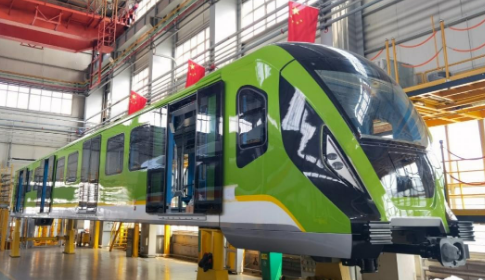
The former mayor of Bogotá and current advisor at the World Resources Institute (WRI), has shared her transformative experiences with urban transport systems, providing valuable lessons for Bengaluru. During her tenure from 2020 to 2024, Hernández spearheaded a significant overhaul of Bogotá’s public transport infrastructure, turning the city’s traffic woes into a model of sustainability and efficiency.
Three decades ago, Bogotá faced traffic conditions akin to Bengaluru’s current struggles, driven by a predominance of private vehicles. The Colombian capital has since undergone a remarkable transformation, developing an extensive public transit network that includes 114 km of bus rapid transit (BRT) corridors and 600 km of dedicated bicycle paths. The city is also transitioning towards an electric bus fleet, with six million of its 11 million residents relying on BRT and feeder buses or bicycles for daily commutes. Hernández, who is now in Bengaluru, has highlighted the potential for Bengaluru to emulate Bogotá’s success. She praised Bengaluru’s dynamic energy and technological prowess, suggesting that these attributes could be harnessed to build an integrated, multi-modal transport system. According to Hernández, Bengaluru has the opportunity to design a system that is not only cost-effective but also optimises the shortest, fastest, and safest travel routes across different modes of transport.
Her observations underscore that Bengaluru, much like Bogotá, can leverage its technological edge to overcome its transport challenges. By adopting a holistic approach that includes expanding and modernising its BRT network, investing in sustainable mobility solutions, and integrating various transportation modes, Bengaluru can significantly improve its public transport infrastructure. The key takeaway from Bogotá’s experience is the strategic integration of transport modes, which enhances accessibility and reduces congestion. As Bengaluru grapples with its own transport issues, Hernández’s insights offer a roadmap for developing a more efficient, inclusive, and environmentally friendly transport system, positioning the city for future growth and sustainability.
