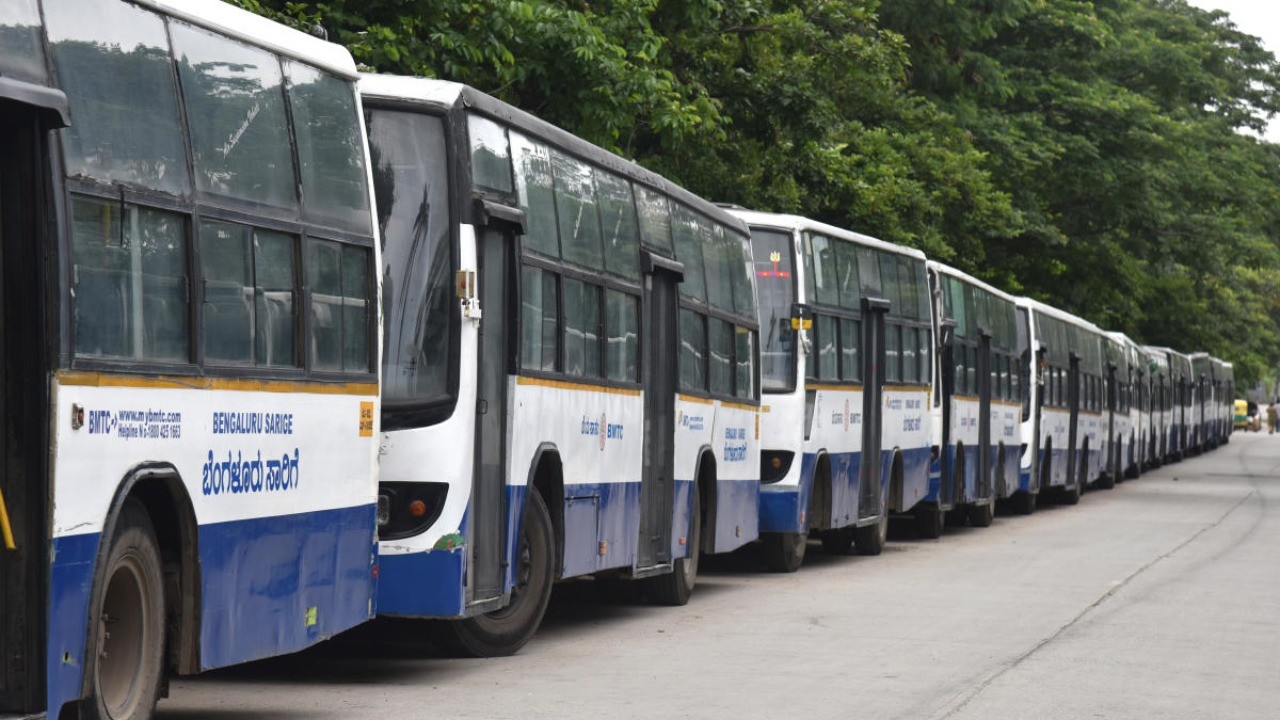
BMTC Launches Feeder Bus Service from SV Road Metro to Kaggadasapura
The Bengaluru Metropolitan Transport Corporation (BMTC) has launched a much-anticipated feeder bus service (route 314 A/1) between the SV Road metro station and Kaggadasapura, a move expected to significantly alleviate the daily commute for thousands in East Bengaluru. Initiated on July 19, this service, initially operating during peak morning and evening hours, represents a critical step towards enhancing last-mile connectivity and fostering a more integrated public transport network. This development provides substantial relief to residents and professionals, particularly those working in the city’s prominent IT corridors.
The introduction of this feeder service is a direct response to a prolonged, community-driven campaign for improved metro accessibility in the Kaggadasapura area. For years, residents and particularly IT professionals residing along Thippasandra Market Road and working in tech parks like Bagmane, have faced considerable challenges in reaching metro stations efficiently and affordably. The new bus route aims to bridge this gap, offering a structured, reliable, and more sustainable commuting option than often-costly private alternatives. This initiative aligns with the vision of creating more accessible and equitable urban mobility for all citizens, irrespective of their socio-economic background or gender.
The route from Kaggadasapura to SV Road metro station includes key stops such as Lakshmi Hospital Junction, 13th Cross Kaggadasapura, 6th Cross Kaggadasapura, Abhayhasta Hospital, DARE, Byrasandra, KV-DRDO, CV Raman Nagar bus stop, DRDO quarters, and Bagmane Tech Park. The return journey from SV Road metro station to Kaggadasapura traverses 100 Feet Road Indiranagar, KFC Indiranagar, CMH Hospital, Thippasandra Market Road, BEML Gate, before rejoining Bagmane Tech Park, DRDO quarters, KV-DRDO, CV Raman Nagar bus stop, Kaggadasapura Main Road, and Lakshmi Hospital Junction. While an initial assessment indicates a loop time of approximately 1 hour and 9 minutes, with the return journey being slightly longer due to the Thippasandra Market Road routing, the overall sentiment among commuters is overwhelmingly positive.
The strategic timing of the service, primarily during office hours, is particularly beneficial for the extensive IT workforce in the region, promising a reduction in their daily travel time and associated costs. However, with the palpable relief also comes a collective appeal for increased frequency and potentially the deployment of smaller buses better suited for some of the narrower internal roads in the area. This feedback underscores the dynamic nature of urban transport planning and the importance of continuous adaptation based on user experience and evolving demand.
Looking ahead, BMTC has indicated plans to replicate similar feeder services in other underserved regions of Bengaluru in the coming months, signalling a broader commitment to strengthening regional connectivity across the city. This expansion of public transport infrastructure is crucial for fostering a zero-net carbon future by encouraging a shift away from private vehicle reliance. It not only contributes to environmental sustainability but also enhances urban liveability, making Bengaluru a more connected, efficient, and inclusive city for all its inhabitants.