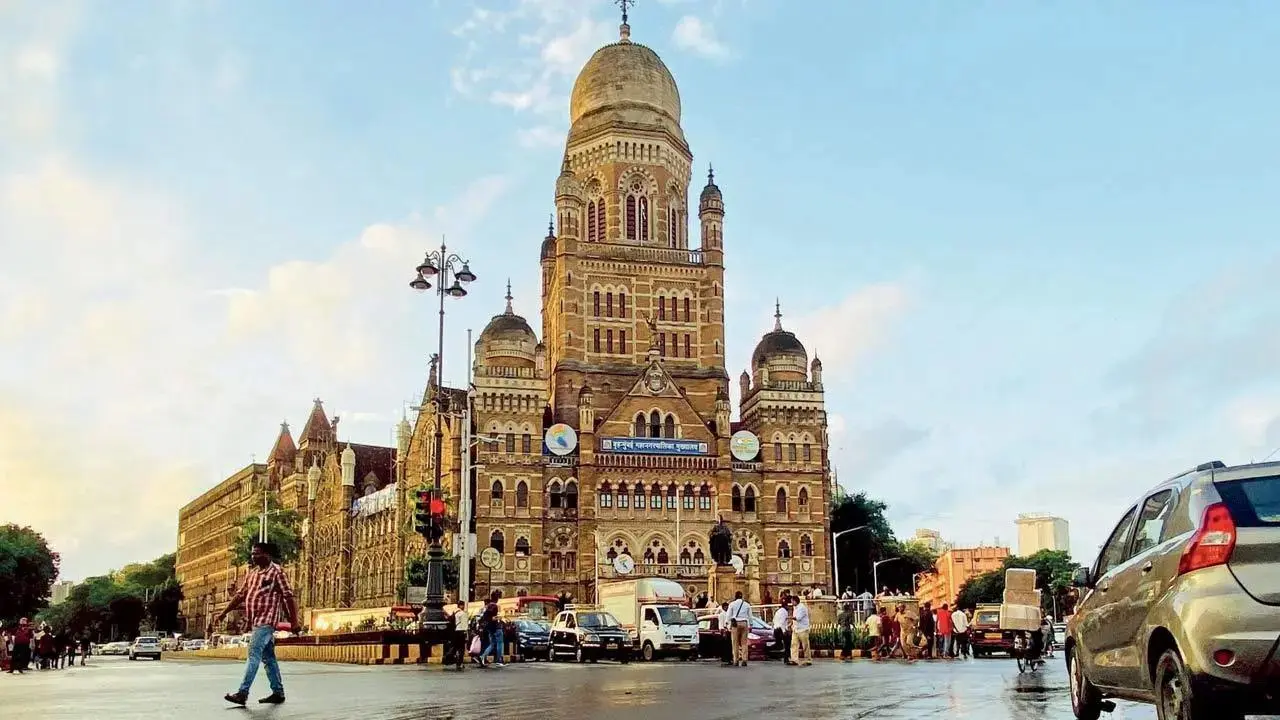
The Brihanmumbai Municipal Corporation (BMC) has taken over the responsibility of resurfacing three major flyovers—Vikhroli, Vakola, and Aarey—under a ₹35-crore plan aimed at improving road safety and easing congestion on key city corridors. Although these structures fall under the jurisdiction of the Maharashtra State Road Development Corporation (MSRDC), the civic body has agreed to execute the work immediately to expedite much-needed maintenance.
A senior civic official confirmed that tenders will be floated this week and that the resurfacing work is expected to commence in early December. The cost, estimated at between ₹30 crore and ₹35 crore, will initially be borne by the BMC and reimbursed by the MSRDC upon completion. The decision follows a joint directive from senior government leaders to accelerate road improvement works along the Western Express Highway, one of Mumbai’s busiest arterial routes. Inspections conducted by civic engineers revealed that all three flyovers are in deteriorating condition, with potholes and uneven surfaces posing safety concerns, particularly during the monsoon. The Vakola flyover alone is estimated to require around ₹10 crore for resurfacing, while the Vikhroli and Aarey flyovers will cost roughly ₹10–12 crore each. The repairs will involve milling damaged surfaces, laying new asphalt layers, and repairing drainage systems and expansion joints to enhance durability and prevent waterlogging.
Officials emphasised that while the highways within Mumbai’s city limits were transferred to BMC control following a 2022 state government order, several flyovers remain under MSRDC’s jurisdiction. To prevent administrative delays, a recent high-level meeting resolved that the BMC would temporarily assume responsibility for these works, ensuring smoother traffic movement and reducing commuter inconvenience. Traffic management experts have welcomed the move, noting that timely resurfacing can substantially cut down travel time and vehicle emissions caused by idling in congested zones. “Well-maintained flyovers are crucial not only for traffic efficiency but also for lowering carbon emissions from prolonged vehicular queues,” said an urban mobility expert.
Beyond the resurfacing, directives have been issued to strengthen traffic enforcement, limit heavy vehicle movement during peak hours, and address encroachments along the Western Express Highway. The initiative also includes collaborative efforts to improve sewage treatment and protect mangrove areas near the Dahisar and Poisar rivers — reflecting a growing emphasis on sustainable and climate-resilient urban infrastructure. Once completed, the resurfacing of these key flyovers is expected to improve commuter safety, extend the life of existing infrastructure, and enhance Mumbai’s overall road network efficiency — aligning with the city’s broader goal of building a cleaner, more sustainable urban transport system.
BMC To Repair Vikhroli , Vakola & Aarey Flyovers In Rs 35 Crore Project Plan