


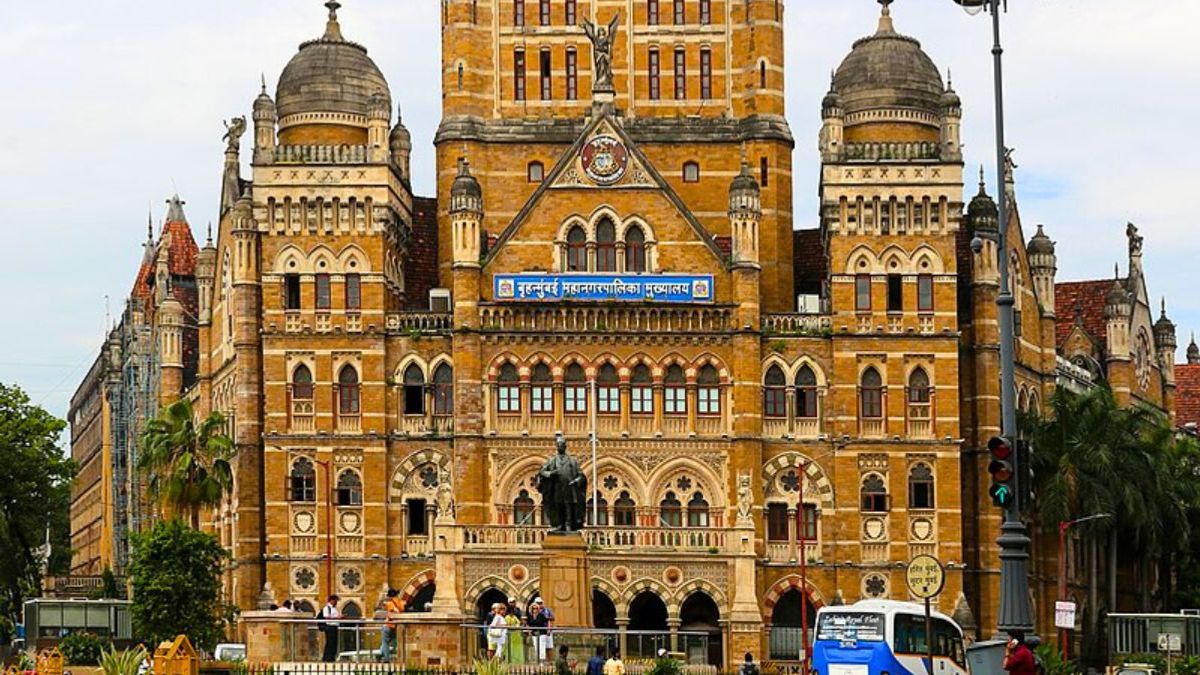
Mumbai’s civic body is set to modernise its air quality monitoring network by replacing outdated dust sampler units at five locations with advanced systems. The move, costing nearly ₹35 lakh, will not only strengthen the city’s pollution surveillance but also provide more accurate data on harmful pollutants affecting public health.
According to officials, the new units will be installed in Andheri, Deonar, Bhandup, Chembur, and Worli, where existing systems have become obsolete and non-functional. These upgrades are expected to bridge the gap between manual monitoring and continuous air quality tracking, offering a more reliable picture of pollution levels across the city. The civic environment department confirmed that the investment includes design, supply, installation, and an eight-year maintenance package. “We will issue a letter of intent shortly,” an official said, underscoring the urgency of putting these units into operation.
Unlike continuous monitoring stations that generate real-time data, manual dust samplers collect air samples every 24 hours. These are then sent to the municipal laboratory for detailed analysis, as mandated by the Central Pollution Control Board. The upgraded units will measure key pollutants such as sulphur dioxide, nitrogen dioxide, ammonia, PM10, and PM2.5. They will also enable deeper testing for heavy metals and hydrocarbons, which are linked to respiratory ailments and long-term health risks. Experts highlight that a robust monitoring system requires both continuous and manual stations. While real-time stations offer immediate data for policy decisions, manual stations serve as reference points to ensure accuracy and transparency. The integration of upgraded dust samplers with the Continuous Ambient Air Quality Monitoring Stations (CAAQMS) will therefore strengthen the credibility of the city’s air quality assessments.
The initiative comes against the backdrop of concerning pollution trends. The latest Environment Status Report of the civic body for 2024-25 revealed rising particulate matter levels in most parts of the city. At six out of nine stations under the System of Air Quality and Weather Forecasting and Research (SAFAR), PM10 levels rose compared to last year. Chembur, one of the city’s most industrialised suburbs, recorded the highest PM10 concentration at 125 micrograms per cubic metre — more than double the national standard of 60. Malad followed with 104, while Colaba and Mazgaon reported 96. Officials and environmental experts stress that sustained monitoring and intervention are critical for Mumbai, a city where dense population, construction activity, vehicular emissions, and industrial zones converge to worsen air quality. By upgrading its air monitoring network, the civic body signals an intent to align with cleaner, healthier, and more sustainable urban living.
Also Read : Bengaluru Metro Yellow Line adds fourth trainset to ease rush
