


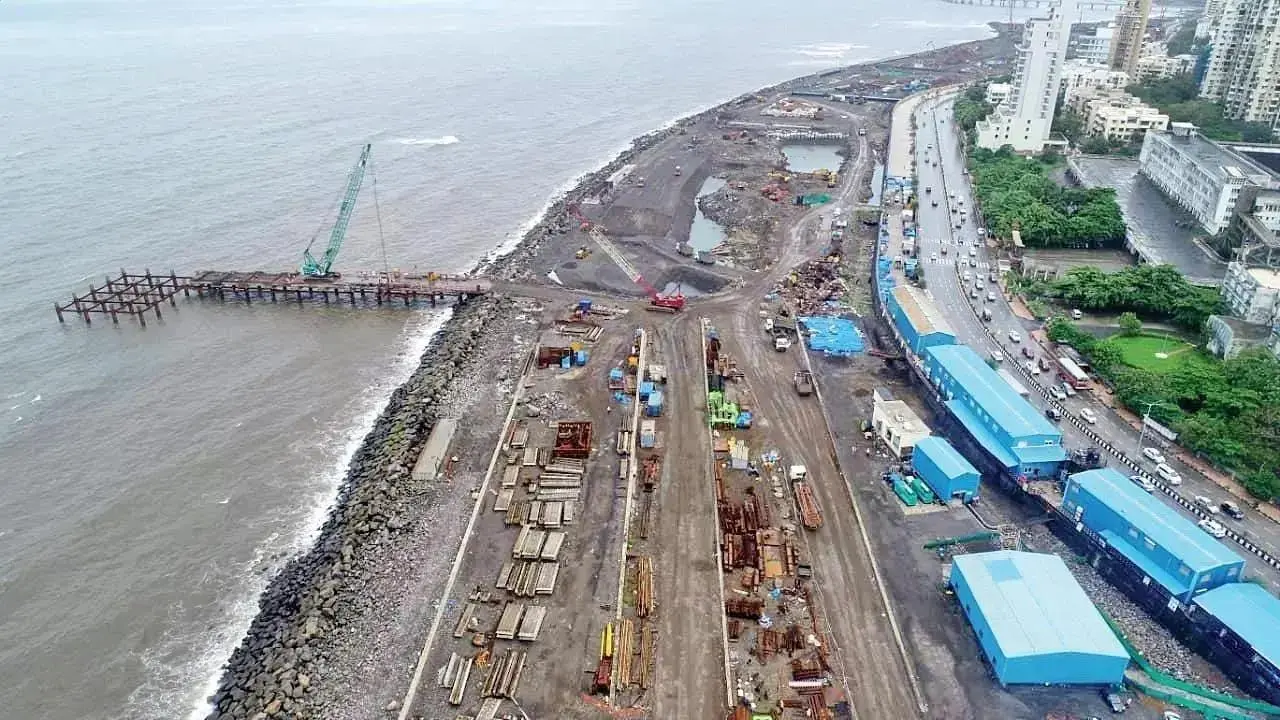
Mumbai is preparing for one of its most ambitious urban greening initiatives, as the civic administration announced plans to create a 53-hectare green zone along the Mumbai Coastal Road. The project will be developed and maintained through Corporate Social Responsibility (CSR) partnerships, ensuring that the city does not bear the financial burden of the initiative.
Officials confirmed that the entire 10.58-kilometre stretch, running from Princess Street Flyover to the Worli-end of the Bandra-Worli Sea Link, will see large-scale development of landscaped areas. Once completed, the project is expected to create nearly 70 hectares of continuous green space on reclaimed land, reshaping Mumbai’s urban ecology. The estimated cost of the project is pegged at around ₹400 crore, but under the CSR model, private organisations will be responsible for both funding and maintaining the space for up to 30 years. Civic officials stated that invitations for expressions of interest have already been issued to corporates, public companies and other institutions.
According to urban planners, the development will go beyond simple beautification. It will feature urban forests using the Miyawaki method, ecological parks showcasing native plant species, butterfly gardens, open-air gyms, yoga and jogging tracks, cycling paths, children’s play areas and senior citizen parks. Promenades, plazas, water bodies, and open-air auditoriums are also part of the blueprint. The green corridor is set to integrate sustainable design principles, including advanced irrigation systems, energy-efficient lighting, solid waste management mechanisms, and secure surveillance infrastructure. Officials emphasised that the project aims to balance mobility with liveability, offering Mumbai’s citizens much-needed public spaces amid rising urban density.
The plan includes a seven-kilometre promenade stretching from Priyadarshini Park to Worli, designed to encourage non-motorised movement and improve walkability along the coastline. Experts noted that the initiative could serve as a model for other Indian cities grappling with high pollution, lack of public space, and climate vulnerability. While the move is widely welcomed, some environmentalists argue that the project’s success will depend on genuine ecological sensitivity during execution. They stress that maintaining biodiversity, choosing native species, and ensuring long-term upkeep will be crucial to prevent the space from becoming another ornamental but underutilised urban patch.
For Mumbai, often criticised for its concrete sprawl and shortage of accessible green areas, this development represents both an environmental commitment and a public health intervention. If implemented effectively, the Coastal Road green stretch could redefine urban sustainability and set a precedent for future eco-friendly city planning across India.
Also Read: Delhi To See Warm Temperatures Today, Light Rainfall Forecast Brings Relief
