


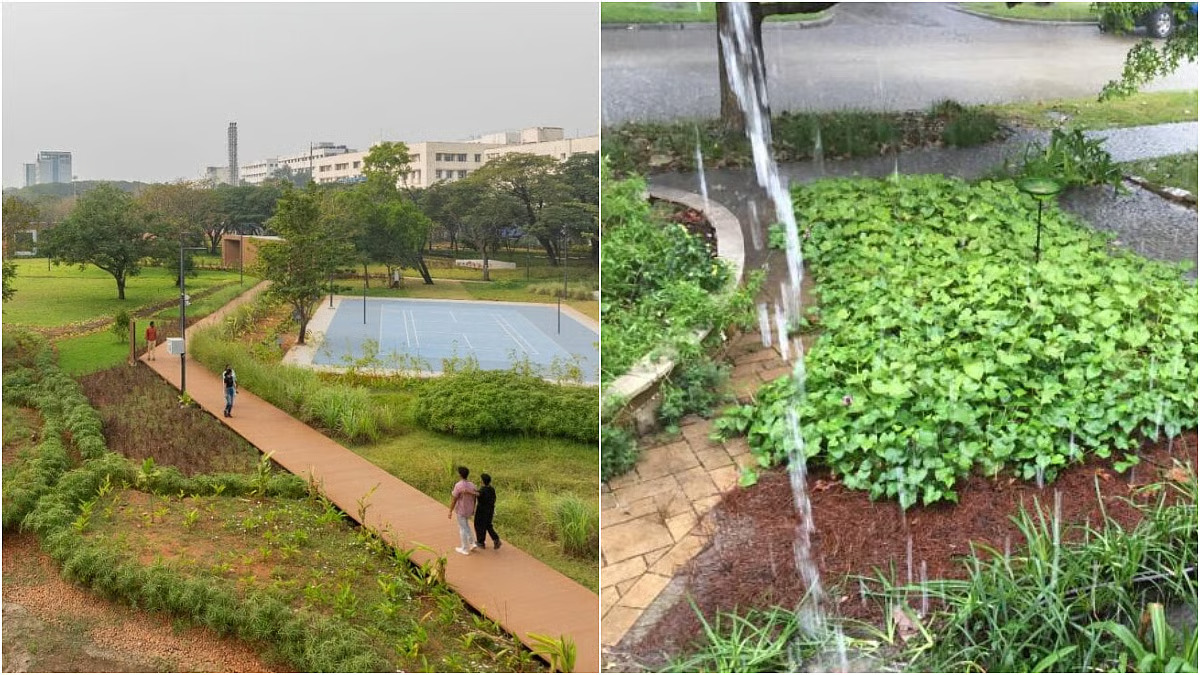
Brihanmumbai Municipal Corporation (BMC) has unveiled plans to develop 164 ‘sponge parks’ across the city under a ₹12,000-crore flood mitigation initiative. The project aims to naturally manage stormwater, prevent flooding, and replenish groundwater levels — turning open spaces and gardens into eco-engineered green infrastructure.
According to civic officials, the concept of sponge parks draws from nature-based urban planning strategies that mimic wetlands by absorbing, storing, and gradually releasing rainwater. This approach is intended to reduce the burden on the city’s conventional stormwater drainage systems and mitigate waterlogging during intense rainfall events. The proposal, submitted to the National Disaster Management Authority (NDMA), forms part of a broader set of 26 flood-control measures designed to protect Mumbai’s rapidly urbanising landscape. The civic body expects to receive final approval and funding before the next monsoon season, after which implementation will begin in phases.
Officials from the BMC’s Projects Department confirmed that several sites have already been identified, including existing gardens and open plots. The first sponge park is currently being developed near Mankhurd, where natural soil layers are being restructured to allow greater water percolation. The project has received clearance from regional planning authorities, and consultants have been appointed to oversee the engineering and environmental aspects of construction. Experts describe sponge parks as a “living infrastructure” — a sustainable urban adaptation that transforms recreational green zones into ecological sponges. These installations will not alter the design or usability of gardens but will incorporate underground infiltration zones to allow stormwater to seep naturally into the ground. Each sponge park is estimated to cost around ₹10 lakh, making it a cost-effective and eco-friendly intervention for flood-prone areas.
Mumbai’s initiative aligns with similar projects in Pune and Chennai, both of which are experimenting with nature-based flood management systems. Civic planners believe these parks will not only mitigate floods but also contribute to biodiversity, urban cooling, and groundwater recharge — critical for a city facing both intense rainfall and water scarcity cycles. Data from the BMC highlights the urgency of such interventions. Over the last six years, the average very heavy rainfall within a 24-hour period has increased from 132 mm to 182 mm, resulting in frequent flash floods that disrupt urban mobility and livelihoods. The sponge park model aims to decentralise water absorption, using nature to build resilience where conventional concrete-based systems have failed.
If implemented effectively, Mumbai’s sponge parks could redefine how megacities adapt to climate change — offering a model for low-carbon, inclusive, and sustainable urban infrastructure that protects both people and ecosystems.
Also Read: Mumbai Toll Relocation Stalled As MSRDC NHAI Blame Game Delays Decongestion
