


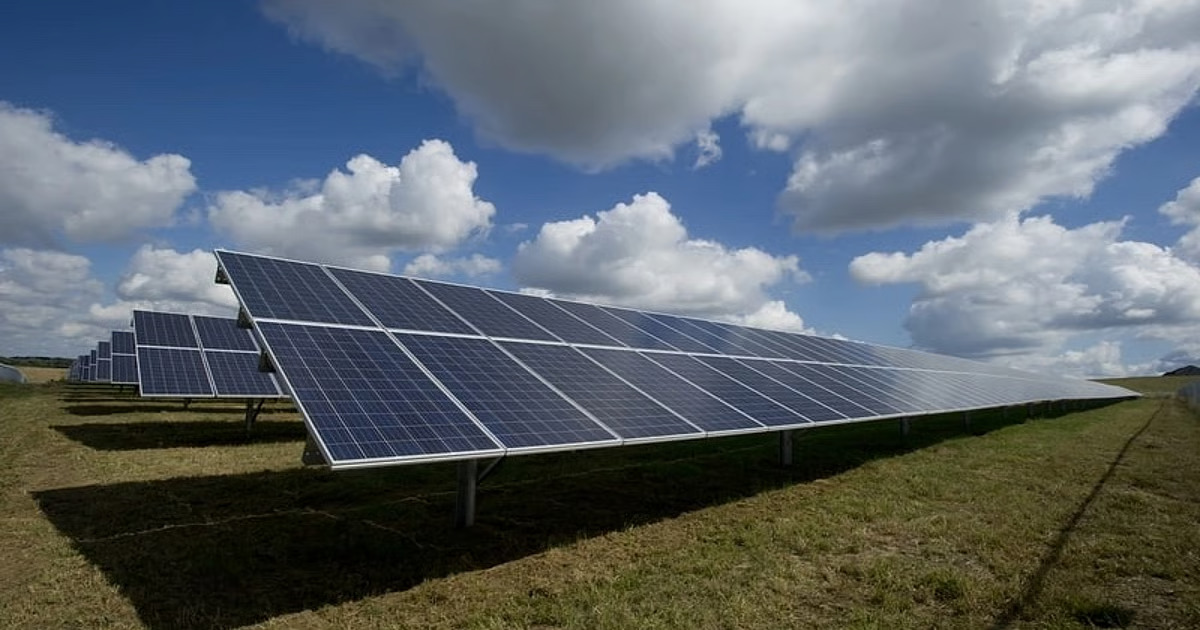
Brihanmumbai Municipal Corporation (BMC) is set to establish a 100 MW floating solar power project across the Tansa and Modak Sagar dams. The project, to be developed and maintained by Mahatma Phule Renewable Energy and Infrastructure Technology Limited (MahaPreit) for 25 years, is expected to generate over 219 million units of power annually and save the civic body approximately ₹165 crore in energy costs.
The project, developed under a long-term “Build, Finance, Operate, and Transfer (BFOT)” model, represents Mumbai’s growing commitment to renewable energy integration. Civic officials confirmed that BMC will incur no capital expenditure, with MahaPreit fully funding the ₹546 crore project. The generated power will be supplied via open access through Maharashtra State Electricity Distribution Company Limited (MSEDCL) infrastructure, offering tariff benefits to high-consumption facilities such as the Pise Panjrapur and Bhandup complexes. Officials from the civic energy department noted that the floating solar plants will not only reduce BMC’s electricity bills but also help decarbonise the city’s energy profile. “Electricity will be supplied at ₹4.25 per unit for 25 years, without requiring additional approvals or land acquisition. The initiative will significantly cut dependence on conventional power sources while optimising the use of existing water reservoirs,” said a senior official.
The project also complements Mumbai’s broader Climate Action Plan, which prioritises renewable energy deployment across municipal infrastructure. By utilising existing water surfaces, the floating solar plants will also reduce evaporation losses and improve water conservation, making it an ecologically balanced solution for the city’s future power needs. This initiative follows BMC’s earlier approval of a 100 MW hybrid renewable power project at the Middle Vaitarna dam, combining hydroelectric and floating solar technologies. The hybrid model, approved by the State Water Resources Department, will produce approximately 208 million units of electricity annually and further enhance Mumbai’s renewable generation capacity.
Energy experts have highlighted that the synergy between water management and clean power generation marks a forward-looking model for Indian cities. Floating solar projects are increasingly being viewed as a practical, space-efficient alternative to land-based solar parks, especially in urban regions where land availability remains a major constraint. For a city like Mumbai, which consumes massive quantities of electricity for water treatment, transport, and civic infrastructure, the shift towards renewable sources not only ensures long-term savings but also aligns with India’s national sustainability goals under the Paris Agreement.
As BMC intensifies its focus on sustainable energy solutions, the floating solar project at Tansa and Modak Sagar dams represents a vital leap towards transforming Mumbai into a low-carbon, energy-resilient metropolis — a city that leads by example in climate-conscious urban governance.
Also Read : Pune Flyover Baner Shivajinagar Wing To Open In November Easing Traffic Woes
