


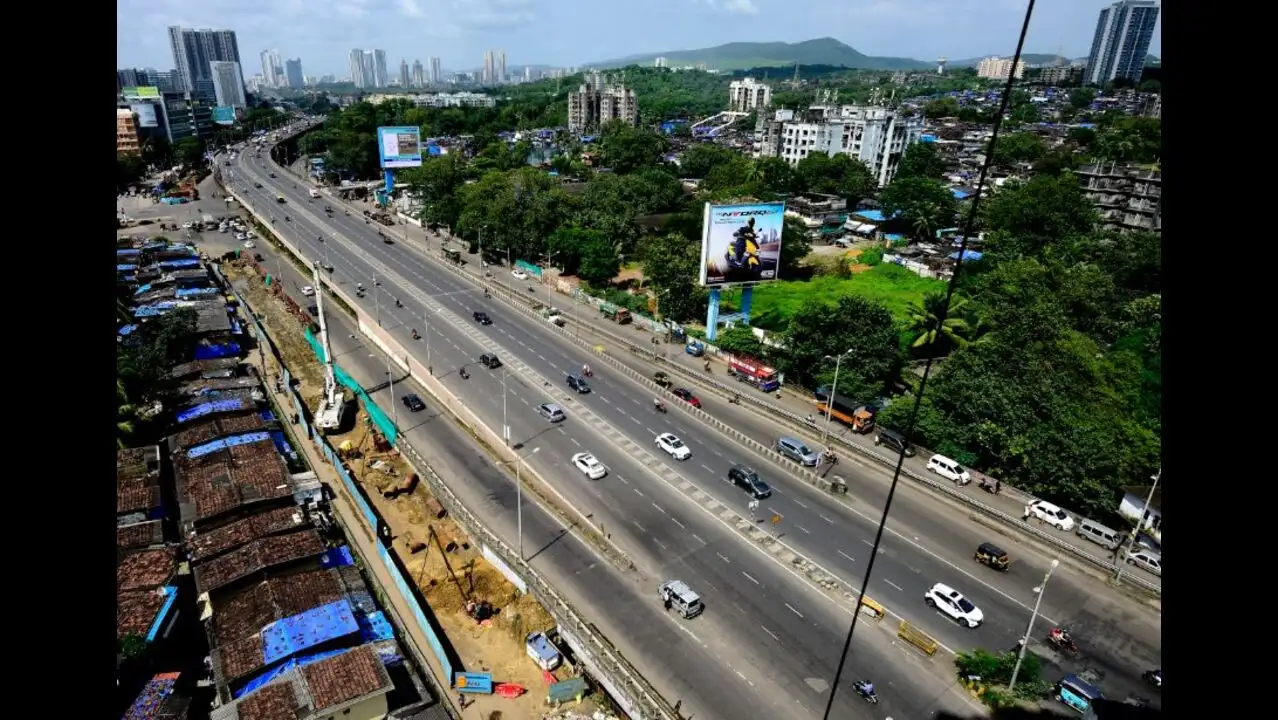
Mumbai civic body has proposed the creation of a dedicated highway cell within its roads department. The initiative is expected to provide focused oversight of the Western Express Highway (WEH) and Eastern Express Highway (EEH), where chronic congestion continues to burden commuters and businesses alike.
Officials said the proposed unit, to be led by the chief engineer (roads), will design long term strategies for infrastructure management and traffic efficiency on these arterial routes. The decision comes three years after the civic body took over maintenance of both highways from the metropolitan authority, yet has so far struggled to deliver significant relief to motorists. The expressways remain central to the city’s mobility, linking residential suburbs with commercial hubs and connecting to national highways. However, inconsistent planning over the years by multiple agencies has left them riddled with bottlenecks. Experts point to stretches where road widths vary sharply, creating choke points at high density zones such as Andheri, Jogeshwari and Kandivali. In contrast, sections at Khar and Bandra expand to six lanes, highlighting the fragmented nature of earlier upgrades.
Bridges present another layer of complexity. Several flyovers on both WEH and EEH remain under the control of the state road development corporation due to toll collection arrangements. Six bridges on WEH, including Vakola and Magathane, and four on EEH, including Chheda Nagar and Vikhroli junction, are yet to be transferred to the civic body. Officials admit this overlap hampers seamless planning and limits the city’s ability to implement integrated congestion solutions. The proposed cell will bring together dedicated executive and assistant engineers, working exclusively on highway related projects. Its mandate will range from regular maintenance to structural upgrades, and even road widening initiatives that may require land acquisition. Civic officials argue that without such a focused mechanism, interventions will continue to be reactive rather than forward looking.
Experts emphasise that any expansion must also incorporate sustainable mobility measures, including dedicated bus lanes, improved pedestrian access and space for cycling where feasible. With both expressways serving as major conduits for commercial transport, a comprehensive approach balancing speed, safety and sustainability is seen as vital. While the plan still awaits approval from the civic commissioner, urban mobility observers say it marks a crucial step towards rationalising the management of two highways that underpin the city’s economy. Whether the new cell can overcome institutional roadblocks and deliver on its promise will determine how Mumbai moves in the coming decade.
Also Read : Mumbai HC Permits Maharashtra Government To Undertake Urgent Repairs On Crumbling Bhiwandi Road
