


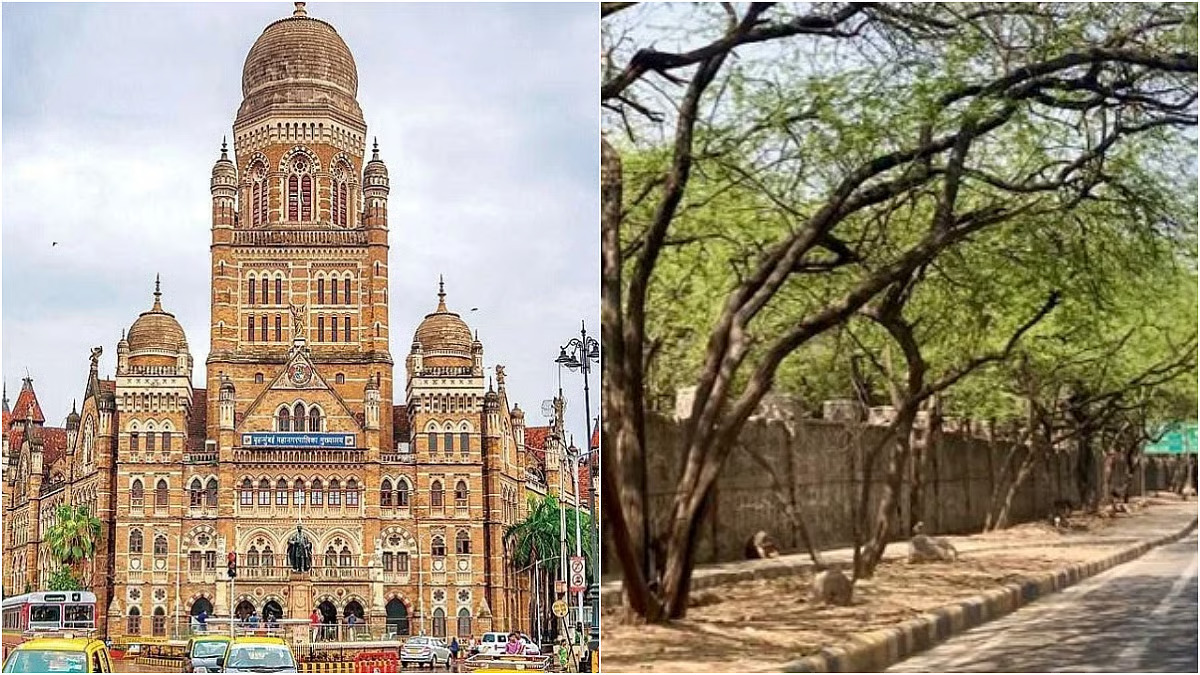
After an eight-year hiatus, the Brihanmumbai Municipal Corporation (BMC) is poised to undertake a comprehensive tree census across the city, employing ground penetrating radar (GPR) to map tree roots and assess tree health. The tender for the project has been floated, signalling the start of an ambitious scientific survey aimed at understanding Mumbai’s urban greenery, including parks, playgrounds, and streetscapes.
The last census, conducted in 2018, recorded 29.75 lakh trees across the city, excluding Sanjay Gandhi National Park. Officials now anticipate a significant increase in the count, accounting for the approximately five lakh Miyawaki saplings planted in recent years. With early indications suggesting strong survival rates, the new census is expected to provide a more accurate reflection of the city’s evolving tree cover. “The project will combine conventional tree counting with advanced GPR technology,” explained a senior BMC garden department official. “The radar will generate 3D images of tree root systems, enabling an in-depth assessment of tree health and structural stability. Extensive urban concretisation and past construction activities have compromised many root systems, contributing to increased tree collapses during monsoon seasons.”
The initiative comes amid criticism over delays and lack of transparency in publicising previous census data. Infrastructure expansion in Mumbai over the past seven years necessitated multiple tree-cutting permissions, although BMC asserts compliance with regulations requiring replanting three trees for every one felled. The 2018 census highlighted notable variation in tree distribution, with Ghatkopar reporting the highest number at 2.92 lakh, followed by Malad (2.84 lakh) and Bhandup (2.54 lakh). Areas such as Marine Lines-Zaveri Bazaar and Masjid-Dongri showed the lowest densities, with under 8,000 trees each. Mumbai’s tree population is diverse, encompassing native species like Taman, Tamarind, Ashoka, Neem, Peepal, and Cashew, alongside exotic species, gulmohar, and rainforest varieties.
Currently, the city hosts around 235 parks and 480 recreation grounds. The upcoming census will not only quantify trees but also assess green areas, informing BMC’s urban forestry strategy and contributing to sustainable, climate-resilient urban planning. Experts emphasise that accurate mapping of tree roots and health will help prevent avoidable tree loss, protect biodiversity, and support zero net carbon initiatives. The project, estimated at over Rs 5 crore, is slated to commence in early 2026, marking a significant step in scientific urban forest management. Officials expect the survey to guide future policies on tree conservation, urban greening, and ecosystem restoration in one of India’s most densely populated metropolises.
Also Read: BMC 6 Lane Goregaon Mulund Road Flyover Set For 2026 Opening
