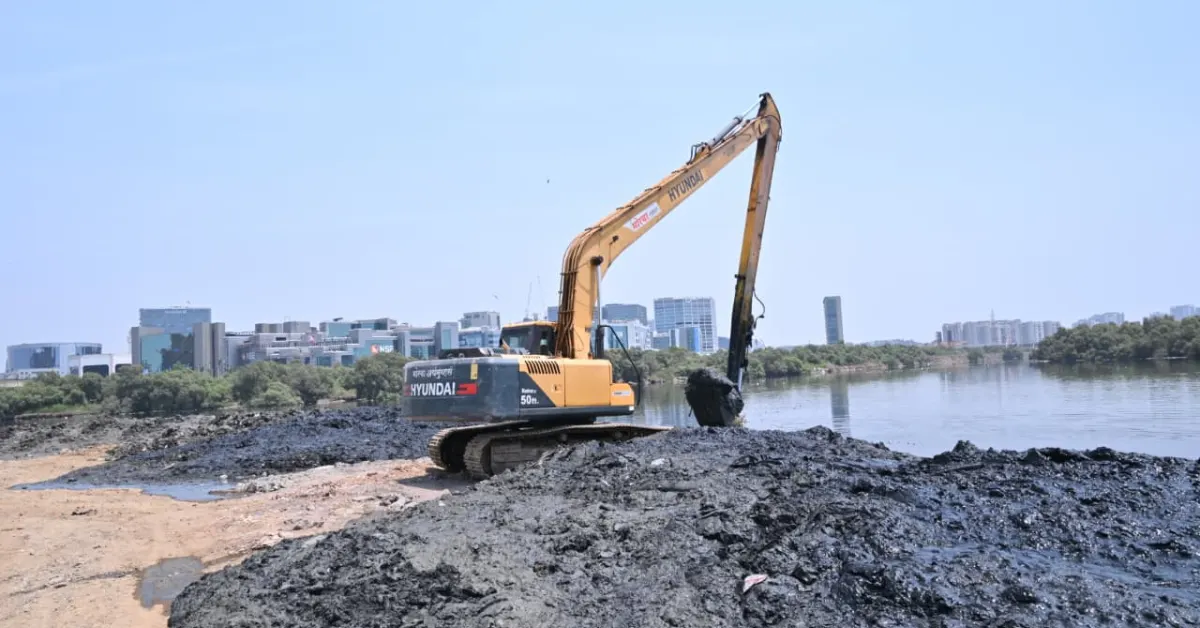
Mumbai’s civic administration has set an end-of-May deadline to complete large-scale drain desilting across flood-prone zones, signalling an intensified push to strengthen urban flood preparedness ahead of the monsoon. The move comes as the city continues to grapple with recurring waterlogging, posing risks to mobility, housing, and economic activity in low-lying areas.
The directive focuses on achieving comprehensive drain desilting across rivers, major stormwater channels, and neighbourhood drains that typically overflow during heavy rainfall. Officials indicate that the effort is being aligned with a tighter execution schedule this year, reflecting lessons from past monsoon disruptions that have strained infrastructure and disrupted livelihoods. A senior civic official said the approach now prioritises catchment-level planning rather than isolated interventions. This means that upstream and downstream sections of key waterways, including the city’s primary river system, are being treated as interconnected networks. Experts in urban hydrology note that fragmented cleaning often fails to prevent flooding, as blockages in one section can reverse gains elsewhere.
Inspections conducted across several critical drainage corridors have revealed the need for both accelerated silt removal and parallel waste clearance. Solid waste dumping into open drains continues to undermine the effectiveness of drain desilting, particularly in densely populated informal settlements and commercial clusters. To address this, authorities are considering physical barriers such as mesh installations to intercept debris before it enters the drainage network. Another area of concern is structural integrity. Sections of retaining walls along certain nullahs have shown signs of damage, increasing the risk of collapse during peak flows. Officials have directed immediate repair works, with coordination between ward teams and engineering departments to ensure stability before the onset of intense rainfall.
From an infrastructure standpoint, the city is also examining the condition of stormwater drain access points, including manholes and covers. Ensuring these are secure and functional is seen as essential not only for water flow but also for pedestrian safety during the monsoon months. Urban planners argue that while seasonal drain desilting remains a necessary intervention, long-term resilience will depend on systemic upgrades. These include redesigning drainage capacity to match changing rainfall patterns, integrating nature-based solutions such as wetlands, and reducing impermeable surfaces through better urban planning.
Mumbai’s monsoon preparedness has direct economic implications, particularly for logistics, real estate, and daily wage sectors that are vulnerable to flooding disruptions. A more reliable drainage system can help reduce losses and improve investor confidence in urban infrastructure. As the deadline approaches, the effectiveness of this year’s effort will likely be measured not only by the volume of silt removed but by the city’s ability to minimise flooding during peak rainfall events. Sustained monitoring and citizen participation, particularly in preventing waste dumping, are expected to play a decisive role in determining outcomes.
BMC Targets Full Drain Cleaning Before Monsoon