


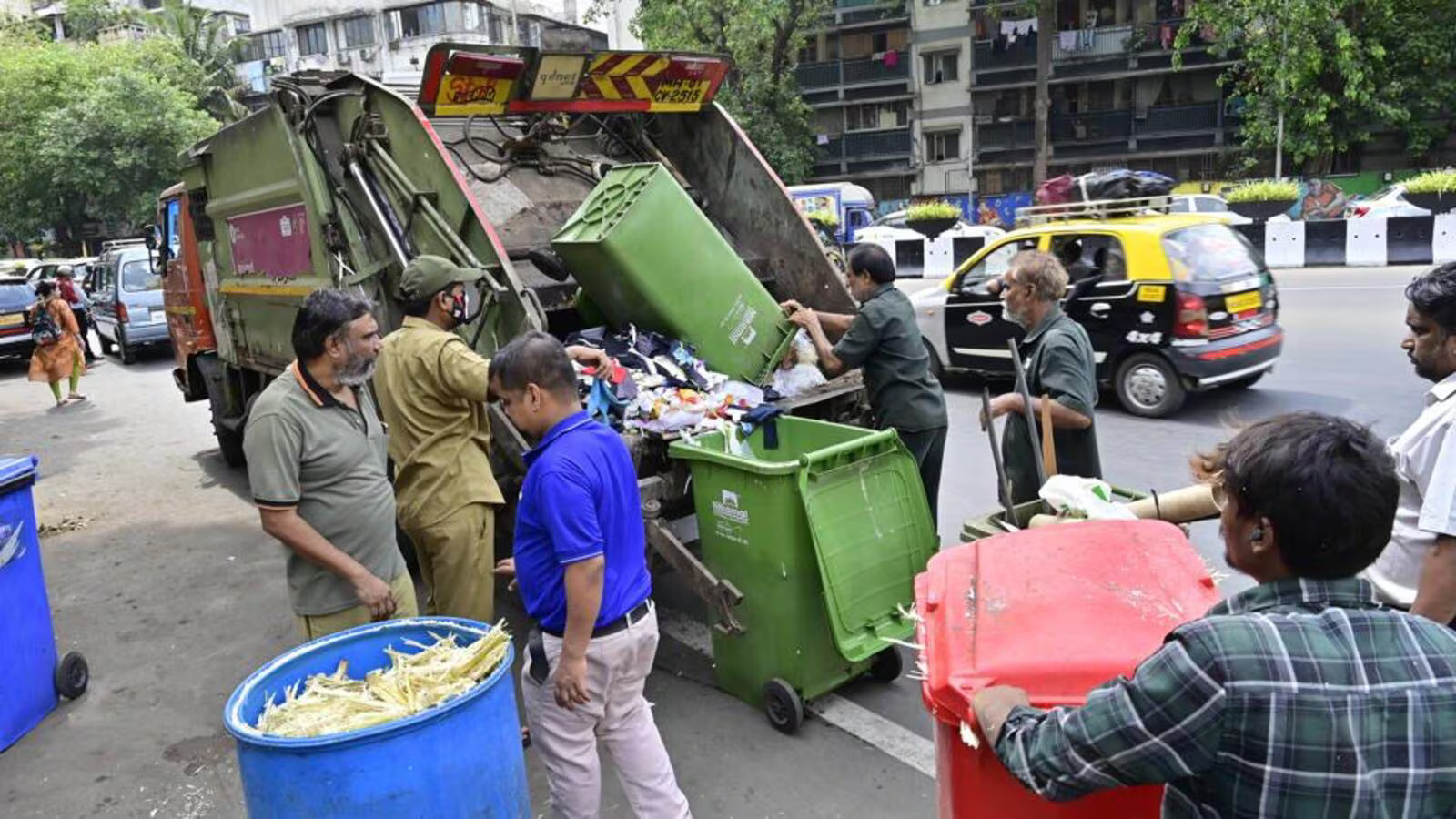
Mumbai’s civic administration has intensified its drive against Bulk Waste Generators (BWGs) failing to comply with mandatory on-site waste processing norms, eight years after the rules came into force. Of 2,609 large residential and commercial establishments classified as BWGs, just 784 have installed systems to process wet waste at their premises. Another 727 continue to rely on third-party transporters — now prohibited under revised guidelines — while 1,098 hand over their waste directly to the BMC.
The civic body has issued a clear directive: establishments must either process waste within their premises or formally hand it over to BMC collection teams. Under the updated policy, BWGs are banned from engaging external agencies for waste transportation, and any payments to such service providers have been declared unnecessary, as the municipal corporation will manage the process directly. BWGs are defined as premises generating over 100 kilograms of waste daily or occupying more than 5,000 square metres. Officials emphasise that compliance is not optional, as the mandate is central to reducing landfill burden and building a sustainable waste management ecosystem in Mumbai.
During a high-level review meeting at BMC headquarters this week, senior officials assessed ward-level compliance and directed that a detailed survey be conducted between August 15 and 31. This exercise will document the names of BWG establishments, their processing status, and the identity of any agencies involved. Establishments that treat waste on-site are entitled to property tax concessions under an incentive scheme aimed at encouraging decentralised waste solutions. A special emphasis has been placed on managing sanitary and special care waste from large establishments. The BMC now requires such waste to be segregated and handed over separately to its dedicated collection service. Registered entities — including housing societies, hostels, beauty salons, and educational institutions — will receive yellow bins for this purpose, with distribution beginning August 18.
Officials stress that compliance is both a civic responsibility and an environmental necessity. On-site waste treatment reduces transportation costs, cuts emissions, and helps curb landfill overuse — aligning with the city’s broader goal of achieving a zero-waste future. With the crackdown underway, the coming weeks will be critical for Mumbai’s BWGs to adapt to the tightened rules. Those failing to align with the new waste management protocols risk facing stricter penalties as the civic body steps up its enforcement drive.
Also Read: Greater Noida To Construct ₹250 Crore Elevated Road Through Shahberi
