


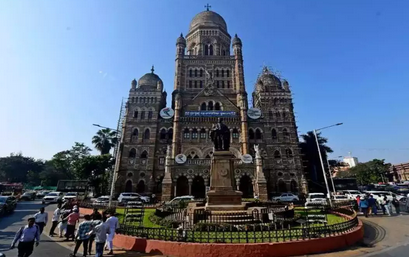
BMC Targets ₹2,000 Crore Revenue from 610 Vacant Plots
The Brihanmumbai Municipal Corporation (BMC) is set to generate significant revenue by transforming vacant land plots across Mumbai into leasehold properties. With a target of ₹2,000 crore in revenue over the next four years, the civic body aims to unlock the potential of its underutilised land assets, particularly those that have been leased on a nominal rent for decades.
The BMC recently amended its Vacant Land Tenancy (VLT) policy, making it easier for smaller plots, less than 125 square meters, to be converted into leasehold properties for a period of 30 years. This change marks a significant shift from the previous policy, amended in 2020, which only allowed larger plots to be leased. The new policy aims to increase the revenue generated from these lands, creating development opportunities while also improving oversight and governance. Currently, the BMC oversees 3,472 VLT plots spread across key locations in Mumbai, including high-demand areas such as Dadar, Matunga, and parts of the western suburbs. Of these, approximately 610 plots qualify under the new policy and have the potential to be converted into leasehold properties. These plots are estimated to hold a combined value of over ₹2,000 crore, which will be realised through a One-Time Premium, paid upfront by lessees.
This policy change is expected to bring in much-needed revenue for the BMC, which currently collects only a nominal rent from these plots, sometimes as low as ₹30 to ₹100 per month. However, under the new scheme, the premium charged for converting the plots into leasehold properties will be determined by the land’s market value, based on the ready reckoner rates and the applicable Floor Space Index (FSI). In the island city, this could translate to an FSI of 1.33, depending on the location. Once converted, lessees will have the flexibility to redevelop the plots, subject to the necessary approvals from the BMC’s building proposals department. The BMC estimates that by converting these plots to leasehold status, it will not only increase its revenue but also regain more control over the lands. With the conversion, the BMC can ensure that the lands are used more efficiently and in line with its urban development plans.
In fact, the amended policy could help address encroachment issues, repurpose land currently occupied by unauthorised structures, and align development with the city’s broader planning objectives. Previously, these vacant plots were leased to individuals at minimal rents, with little regulatory oversight. Over the years, some plots were encroached upon or developed without the BMC’s permission, complicating land management. The revised policy aims to streamline the process and ensure better land utilisation, which will support the city’s ambitious Development Plan (DP).
The BMC expects to generate significant income from the 610 plots eligible for conversion, which will contribute directly to funding city-wide infrastructure and development projects. For instance, the increased revenue could potentially support the development of public amenities such as playgrounds and recreational grounds, areas that are often reserved in the DP but have been encroached upon by informal developments. Despite these promising developments, the conversion of land into leasehold properties has sparked debates around potential impacts on local communities, especially in areas that may be home to informal settlements or those with limited access to affordable housing. As such, the BMC will need to balance its revenue-generation goals with the need for equitable urban planning and affordable housing initiatives.
As Mumbai continues to expand and urbanise, the BMC’s strategy to monetise its vacant land plots could serve as a model for other cities looking to tap into their underutilised land resources. If implemented successfully, this move could offer a boost to Mumbai’s financial health while also enhancing urban planning efforts, contributing to a more sustainable and structured development of the city.
