


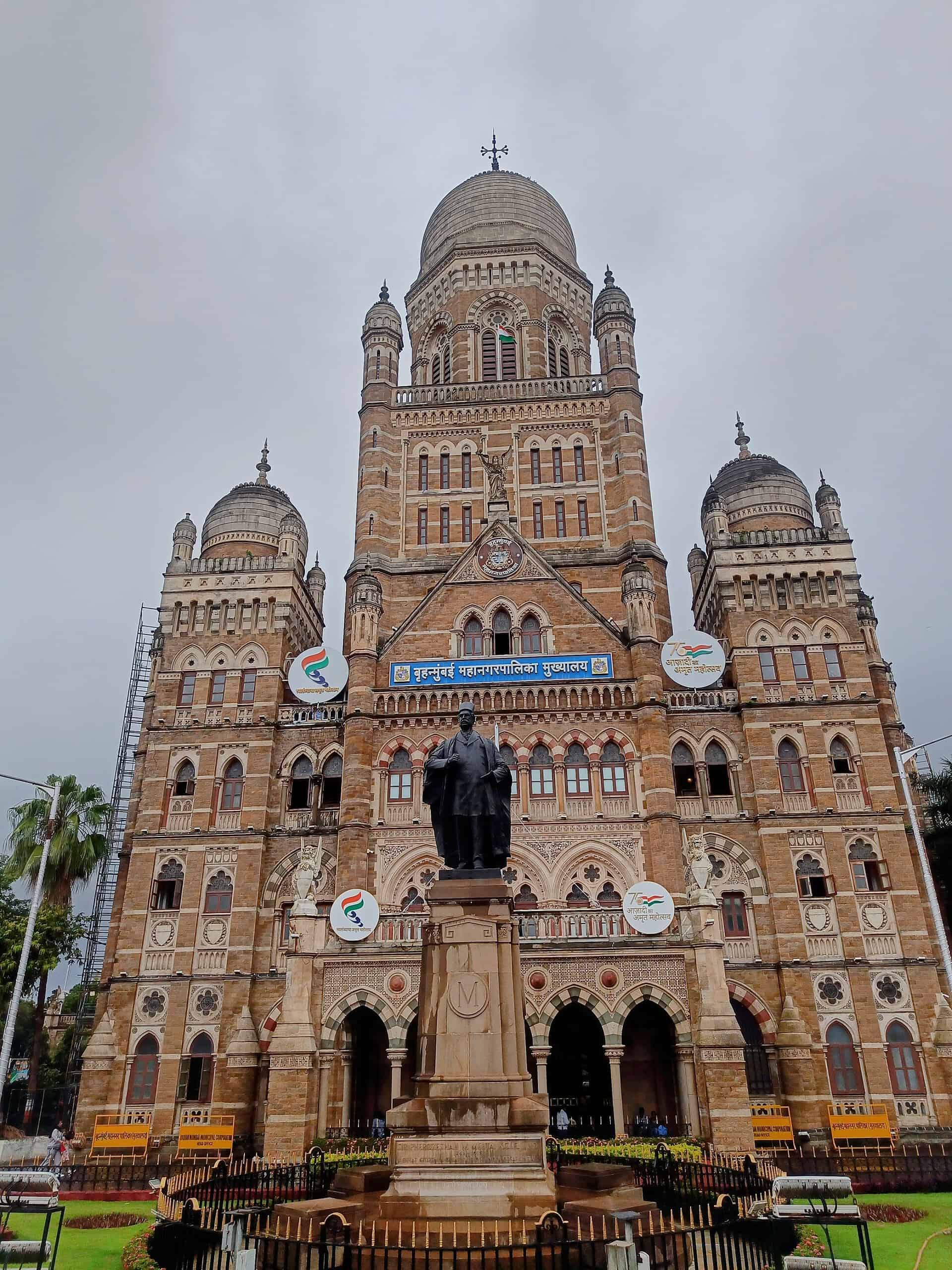
The Brihanmumbai Municipal Corporation (BMC) has taken stringent action against DB Bhavan, a prominent heritage building in Churchgate, for carrying out unauthorised structural modifications.
The violations include the demolition of internal walls, replacement of the lift, and other alterations across three floors, all executed without the necessary approvals from the concerned authorities. On March 24, the BMC’s A ward issued a stop-work notice, instructing the building’s owners to submit appropriate permissions for the ongoing work. Despite this, the real estate firm, DB Realty, failed to present any valid documents, particularly from the executive engineer overseeing building proposals. This led to the issuance of a formal speaking order on March 27, declaring the work as unauthorised. The BMC has directed the building’s authorities to restore the original structure and undo all alterations.
In their response, Valor Estate Ltd, representing the owners, claimed that the work undertaken was limited to internal lightweight partitions and cabins, which they argued did not require formal approval under a BMC circular. The company stated that these alterations were within permissible limits and were not part of any larger construction or structural changes. However, the BMC has not accepted this explanation, as the alterations went beyond minor interior work, involving significant structural modifications. An important aspect of this case lies in the heritage status of DB Bhavan. The building is a part of Mumbai’s rich architectural legacy, and any modifications to its structure require careful scrutiny. The Mumbai Heritage Conservation Committee had earlier granted a no-objection certificate for façade repairs only, with no permission for internal alterations. This is where the conflict began, as the work carried out was not in line with the approved scope.
On April 3, a senior BMC architect, responding to a complaint filed by an activist, highlighted the clear violation of guidelines. This complaint brought to light the ongoing modifications that had taken place without appropriate consent, raising concerns over the integrity of the building’s preservation. The BMC’s response aims to reinforce the importance of preserving Mumbai’s heritage while ensuring that property owners comply with regulatory frameworks to avoid such unauthorised changes in the future. This issue not only raises questions about regulatory oversight but also highlights the importance of adherence to guidelines when dealing with heritage structures in Mumbai. While development and modernisation are key to the city’s progress, it is equally crucial to ensure that historical properties are preserved in accordance with the law. The BMC’s actions are an attempt to strike a balance between preserving Mumbai’s heritage and allowing for necessary urban development, ensuring that property owners respect the city’s architectural identity.
The case of DB Bhavan underscores the need for stricter vigilance and transparent processes in managing Mumbai’s vast architectural heritage, and how such incidents could serve as a reminder for other developers to seek proper approvals before embarking on any significant changes to heritage properties.
Also Read : Gorai Set for Eco-Friendly Tourism Makeover
BMC Takes Action on Illegal Modifications in Churchgate Building
