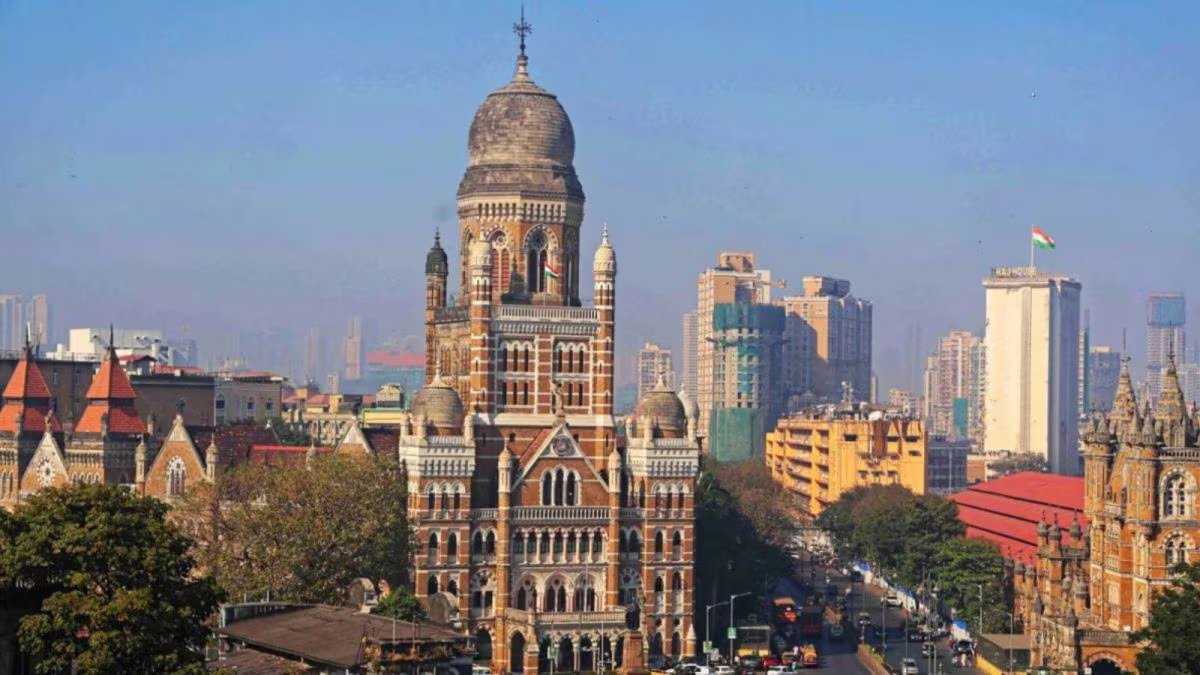
Mumbai’s civic administration has initiated a renewed push to stabilise the city’s public transport backbone, signalling a more structured approach to addressing financial stress and long-pending employee liabilities within the BEST undertaking. The move is significant for a city where bus mobility remains central to equitable, low-carbon urban transport.
At a high-level review held at the municipal headquarters, officials assessed both operational and financial challenges facing BEST, including unresolved statutory dues to retired personnel and workforce-related demands. Civic authorities indicated that clearing these obligations is being treated as a priority, recognising the social and legal implications tied to delayed payments. The discussion comes at a time when BEST finances continue to face structural strain due to rising operational costs, legacy liabilities, and a shrinking share of farebox revenue. Urban transport experts note that without sustained fiscal support and internal reform, the undertaking risks undermining its role in providing affordable mobility to millions, particularly lower-income commuters who depend on buses for daily travel.
Beyond employee concerns, the administration has flagged the need to rebuild the organisation’s asset base, especially by increasing the share of buses directly owned by BEST. A stronger fleet ownership model is seen as essential for long-term cost control and service reliability, reducing dependence on wet leasing arrangements that often escalate expenditure over time. Officials also emphasised that improving BEST finances will require a combination of financial discipline and operational efficiency. This includes better route rationalisation, optimised scheduling, and enhanced revenue streams beyond ticketing, such as advertising and transit-oriented development opportunities. Urban planners suggest that aligning these strategies with sustainability goals—such as expanding electric bus adoption—could further strengthen the system while reducing emissions.
The review also covered workforce-related issues such as wage settlements, career progression, and compassionate appointments. Addressing these concerns is expected to play a role in stabilising staff morale, which is critical for maintaining service continuity in a high-demand urban transport network. For Mumbai, the stakes extend beyond institutional recovery. A resilient and financially stable bus system is integral to reducing congestion, cutting urban emissions, and ensuring inclusive access to jobs and services. As the city expands its metro network, buses remain the most flexible and last-mile connectivity solution, particularly in underserved areas.
Going forward, the administration is expected to adopt a phased roadmap with periodic monitoring to track progress on both financial restructuring and service improvements. The effectiveness of this approach will determine whether BEST can transition into a more sustainable, efficient, and commuter-focused public transport utility in the years ahead.
BMC Signals Fresh Push To Strengthen BEST Finances And Settle Dues