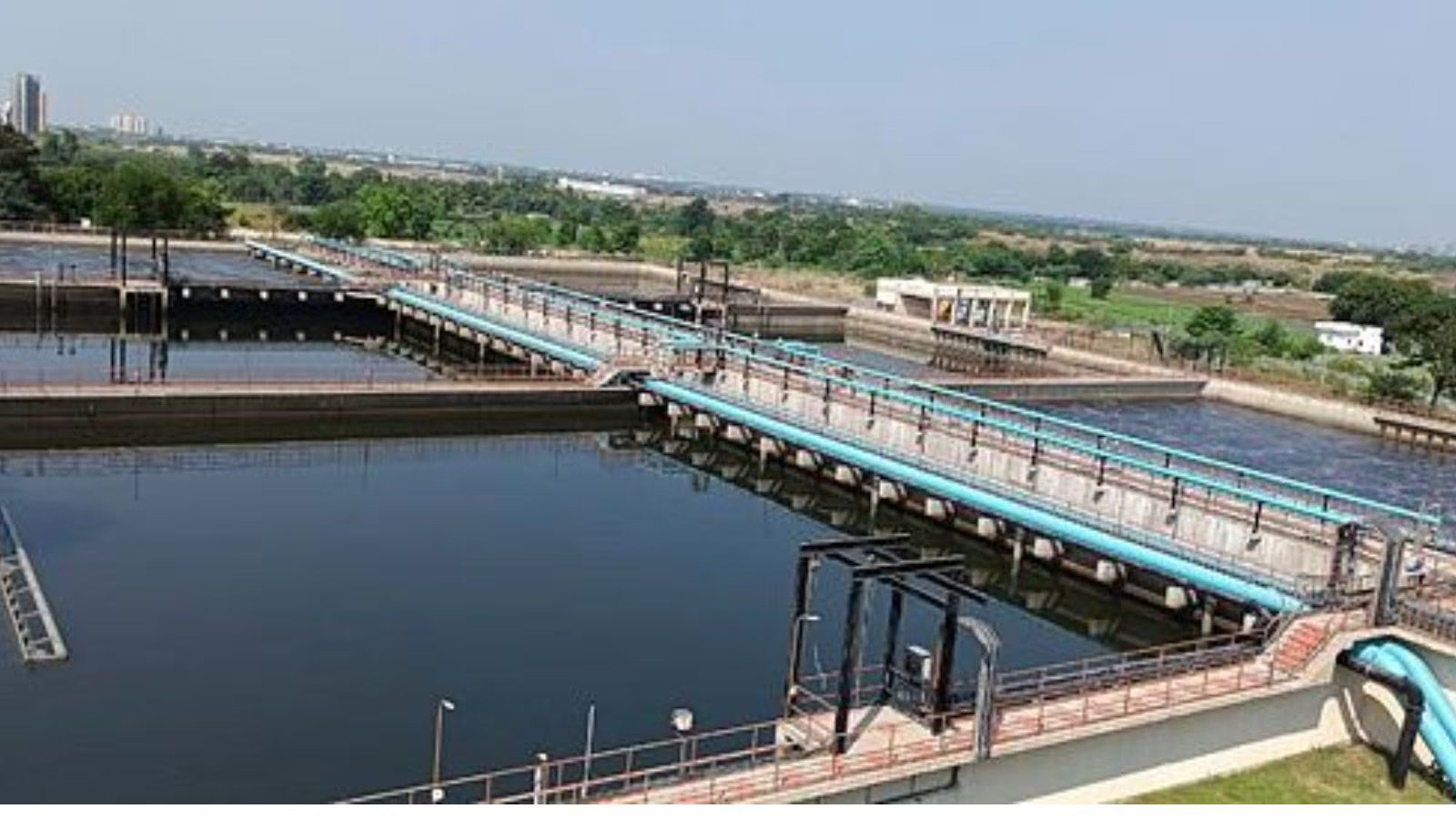
Mumbai’s civic administration has cleared a proposal to formalise the sale of treated wastewater from its Colaba treatment facility, marking a step towards building a structured reuse market in a city grappling with water stress and infrastructure inefficiencies.
The decision enables the supply of a fixed volume of reclaimed water for non-drinking purposes at a standardised price, aimed at improving uptake among construction and institutional users. By advancing a treated water sale Mumbai framework, the municipal body is attempting to convert underutilised wastewater into a productive urban resource while reducing dependence on potable supplies. Officials indicate that the Colaba plant currently produces a sizeable quantity of treated water, a portion of which remains unused due to inconsistent demand and logistical barriers. Historically, buyers such as infrastructure contractors and institutional users have procured recycled water on a project basis, but the absence of a stable pricing model has limited broader adoption.
The newly approved rate seeks to make treated water more competitive compared to privately sourced alternatives. However, the economics of distribution remain a challenge. While the cost of producing treated water is relatively modest, transporting it across the city adds to the overall expense, especially in areas distant from the treatment facility. This has constrained the growth of a reliable treated water sale Mumbai ecosystem. The initiative has also sparked debate within civic circles about prioritisation and oversight. Some elected representatives and policy observers argue that municipal departments should first maximise internal consumption of treated water for applications such as road cleaning, firefighting systems, public landscaping, and transport depots. Redirecting recycled water to these uses could significantly reduce the burden on drinking water supplies, particularly during peak demand periods.
Concerns have also been raised around monitoring mechanisms, especially in relation to bulk supply and tanker-based distribution. Ensuring accurate accounting and preventing misuse will be critical to maintaining transparency and public confidence in the system. Officials have stated that contractual safeguards and formal agreements will be put in place with end users to regulate supply and usage. From a sustainability perspective, the move aligns with global urban water management practices that promote circular use of resources. Cities facing increasing climate variability are increasingly turning to wastewater reuse as a means to enhance resilience while controlling operational costs. For Mumbai, where freshwater sources are finite and demand continues to rise, scaling up reuse could become a key pillar of long-term water security.
The success of the policy will depend on how effectively the city addresses distribution gaps and builds consistent demand across sectors. Expanding tertiary treatment capacity and investing in dedicated supply networks could further strengthen the model. As the programme rolls out, it may serve as a test case for how Indian cities can transition from linear water consumption systems to more sustainable, revenue-linked utility frameworks that balance economic and environmental priorities.
BMC Sets Rs 15 Tariff For Treated Water From Colaba Plant