


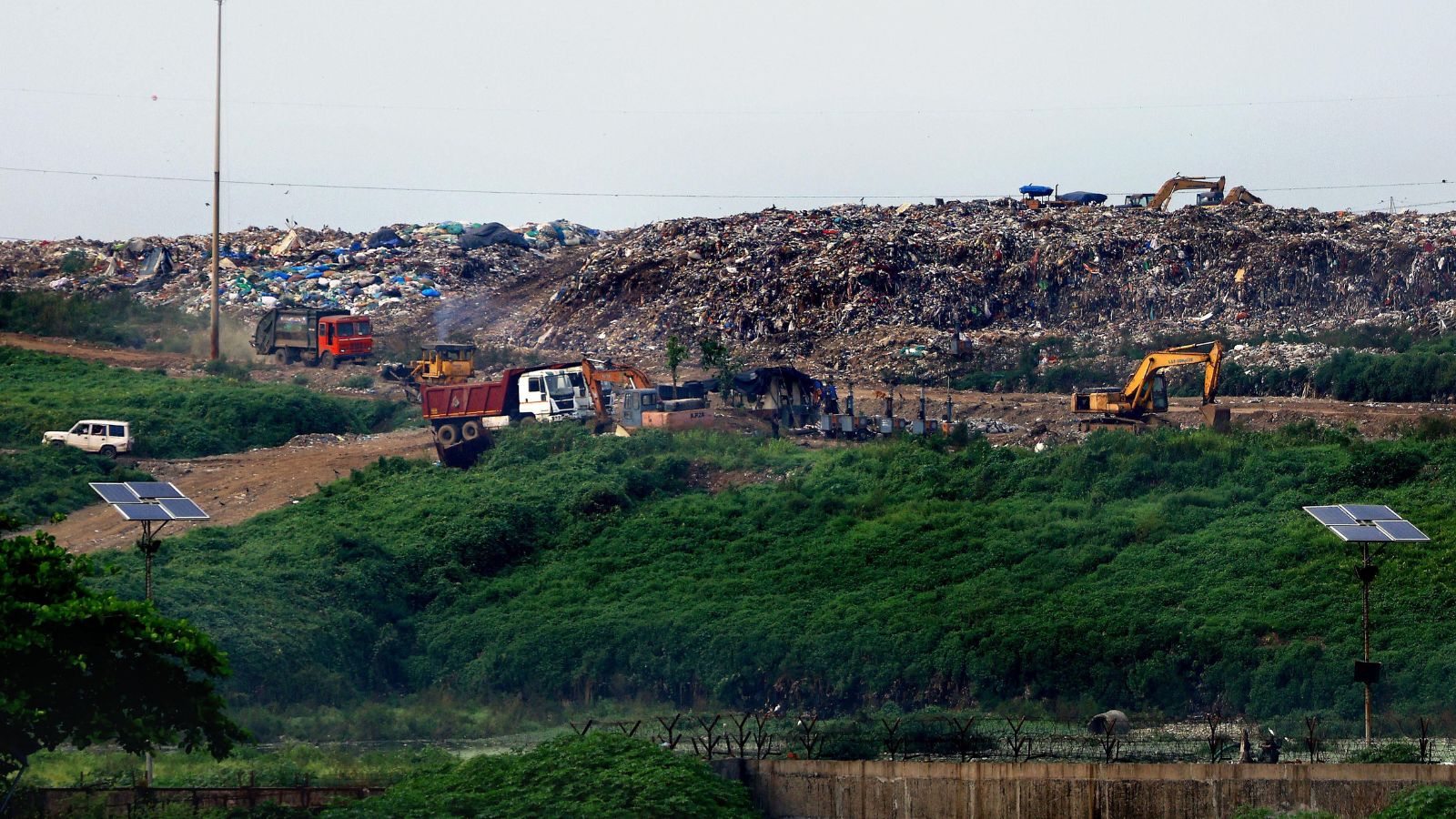
Mumbai’s civic body has cleared a ₹2,368 crore contract for the scientific bioremediation of the city’s oldest and largest landfill in Deonar, at a price 3% higher than its original estimate. After months of negotiations over costs, the deal has been finalised with the selected contractor, paving the way for a long-awaited clean-up of nearly two crore tonnes of legacy waste that has loomed over the city for decades.
Officials confirmed that the contract, awarded to a private infrastructure company, will cover the treatment of 185 lakh tonnes of accumulated waste at the 311-acre dumping ground. The project is expected to run for three years, including a mobilisation phase of at least six months. Civic engineers explained that the sheer scale of the garbage mounds—towering up to 40 metres high—requires careful planning to prevent accidents such as slope collapses into the adjoining creek. The bioremediation contract had initially been caught in a pricing deadlock. The winning bidder had quoted 7.29% above the civic estimate, triggering rounds of negotiations with officials. Competing bids from other players in the sector were even higher, with some quoting nearly 25% above the estimate. Civic sources said that prolonged discussions helped lower the gap, with the final settlement reached at a 3% increase over the base estimate.
The project has gained urgency not just because of environmental concerns but also due to redevelopment pressures. In October 2024, the state cabinet approved transferring 124 acres of the landfill for the Dharavi Redevelopment Project. The government instructed the city corporation to clear this portion of land, which is currently buried under mountains of waste, to make way for urban renewal plans. However, experts caution that the ecological sensitivities surrounding the site make the project far more complex than a routine clean-up. The Deonar landfill sits in proximity to mangrove belts and coastal ecosystems, necessitating multiple clearances from the Coastal Regulatory Zone authority, the forest department, and the mangrove cell. Civic officials have emphasised that strict environmental compliance will be maintained to prevent ecological damage during the waste treatment process.
Environmental specialists argue that while the contract marks progress, the city must also focus on systemic waste reduction. They warn that unless waste segregation and circular economy measures are enforced citywide, legacy waste will continue to accumulate at new sites. The Deonar project, they suggest, should be a catalyst for rethinking urban waste management in a sustainable and climate-resilient framework. The city’s landfill problem has long been a symbol of unchecked urbanisation and inadequate civic planning. With the new contract in place, Mumbai now faces the challenge of translating paperwork into visible change—transforming a mountain of waste into reclaimed land that could hold both ecological and urban value. The coming three years will test whether India’s financial capital can close a dark chapter of its waste history and move closer to becoming a truly sustainable city.
Also Read : Indian Railways Announces Nine Additional Pairs Of Special Trains For Festivals
