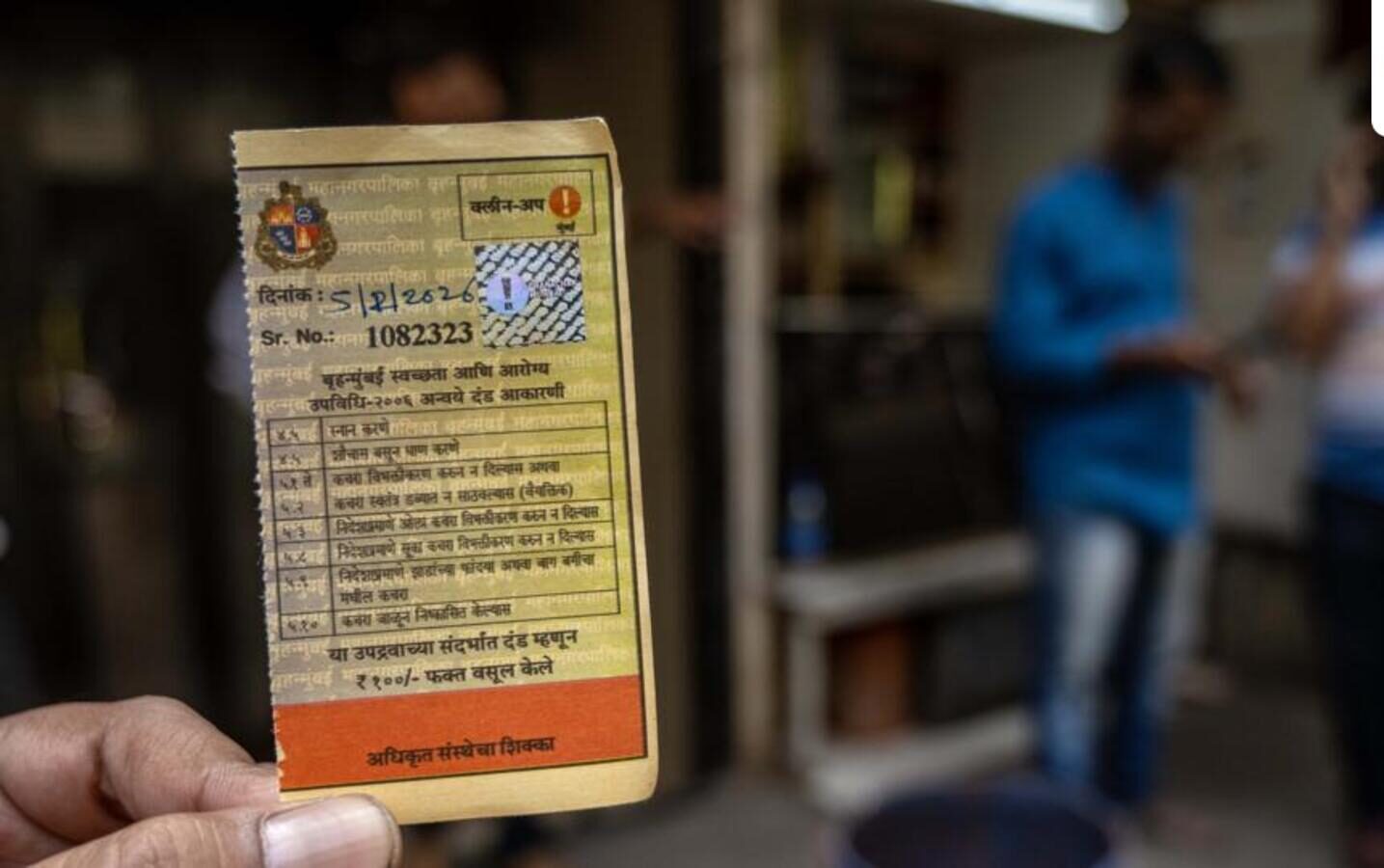
Mumbai’s civic administration has rolled out a significant shift in urban sanitation enforcement by extending penal powers to junior-level solid waste officials, marking a structural change in how everyday civic violations are monitored and acted upon across the city. The move, enabled through recently notified Solid Waste Management bye-laws, allows these officials to directly enter residential complexes and levy fines for practices such as garbage burning, littering and unhygienic disposal of waste.
The decision is aimed at strengthening on-ground enforcement at a neighbourhood level, particularly in dense residential pockets where complaints related to waste burning and air pollution frequently surface during night hours. By decentralising enforcement authority, the Brihanmumbai Municipal Corporation (BMC) is seeking faster response times and clearer accountability in civic action—an area that has historically struggled with delayed intervention and fragmented responsibility. Until now, junior supervisors were largely confined to overseeing sweeping operations and waste transportation logistics. Under the revised framework, nearly 350 such officials will be authorised to impose penalties for sanitation-related offences and enter housing society premises when violations are detected. Civic officials indicate that this step is designed to close enforcement gaps that often emerge between complaint registration and on-site action.
The reform also follows the discontinuation of the earlier clean-up marshal model, which relied on contractual staff and faced sustained criticism over inconsistent conduct and weak oversight. In contrast, the newly empowered supervisors are permanent municipal employees, a distinction that civic administrators believe will improve institutional accountability and reduce discretionary misuse of authority. To further limit the scope for corruption, the BMC is introducing a technology-led enforcement system. Supervisors will use handheld digital tools linked to a centralised application that records photographic evidence of violations and generates penalties electronically. Payments will be routed through QR-based systems, ensuring traceability and minimising cash handling—an approach increasingly adopted in urban governance and transport enforcement across Indian cities.
Urban planners note that the policy signals a broader recalibration in Mumbai’s approach to solid waste management, shifting from reactive clean-up to preventive enforcement. Garbage burning, in particular, has been a persistent contributor to localised air pollution, undermining public health outcomes in already vulnerable neighbourhoods. By targeting such practices within residential compounds, the civic body is aligning sanitation enforcement with climate and air-quality objectives. Officials also indicate that the role expansion will be accompanied by training programmes focused on public interaction, regulatory awareness and waste segregation norms. Over time, supervisors may be provided standard uniforms and mobility support to ensure consistent visibility and coverage across wards.
As Mumbai continues to balance rapid urbanisation with environmental resilience, the success of this initiative will depend on consistent implementation and community cooperation. If executed effectively, the BMC waste enforcement overhaul could become a template for other large cities seeking people-first, low-emission urban management systems rooted in accountability rather than ad-hoc enforcement.
BMC Reworks Waste Policing Inside Housing Complexes