


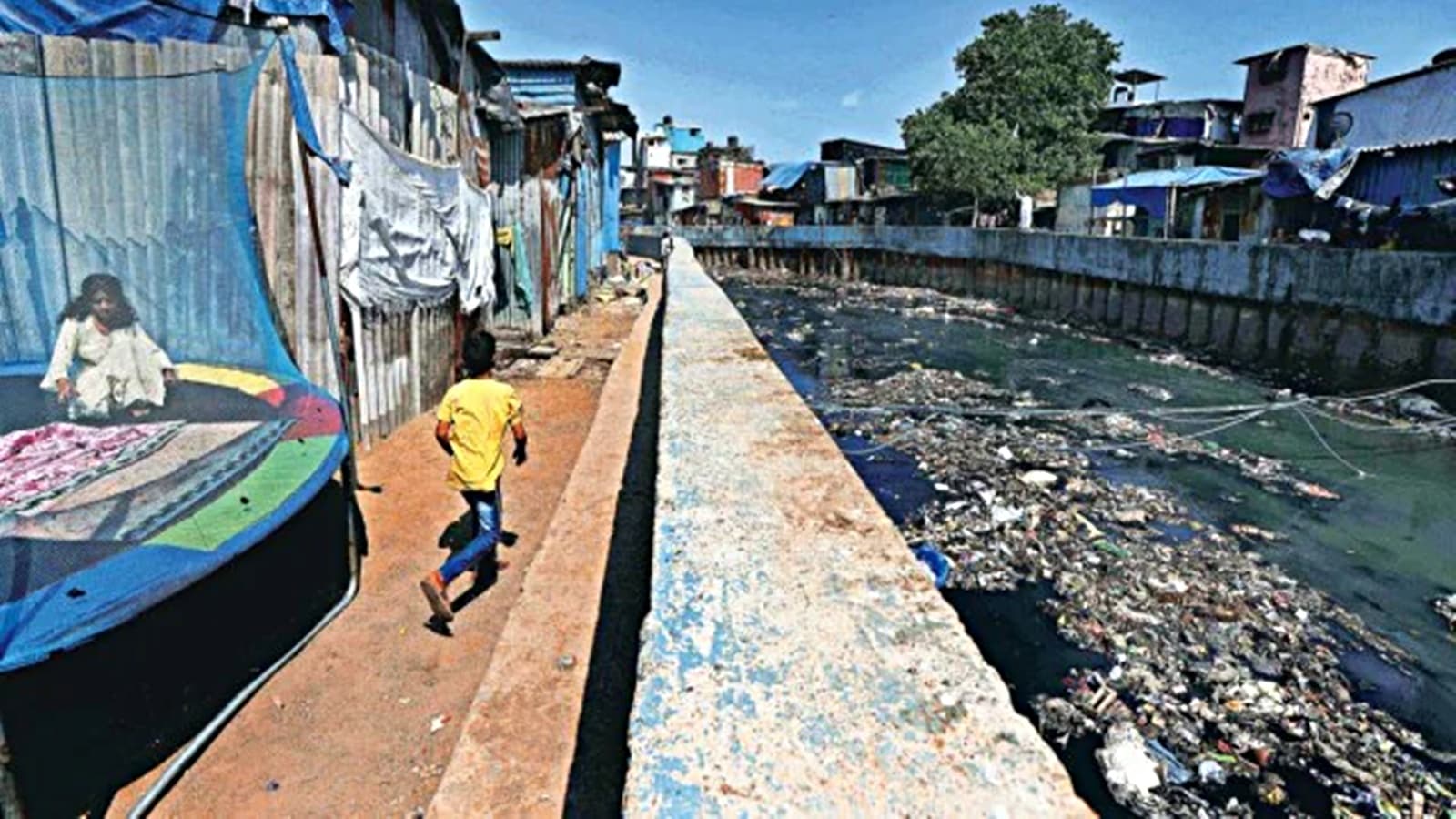
Brihanmumbai Municipal Corporation (BMC) has cleared nearly 124.55 metric tonnes of floating waste, equivalent to 67 truckloads, from Mumbai’s drains and water bodies over the past two weeks. The special cleaning drive, launched on September 29 and concluding on October 13, marks the first time the civic body has implemented a dedicated effort solely focused on removing floating debris from canals, rivers, and other drainage networks.
Civic officials highlighted that floating waste, particularly plastics, remains a pressing urban challenge as it obstructs water flow and contributes to the city’s perennial flooding issues during the monsoon season. “Traditional annual desilting operations address sediment accumulation but do not comprehensively target floating waste,” an official from the BMC’s Solid Waste Management department explained. “This initiative represents a focused approach to mitigate blockages and protect both the city’s waterways and residents from avoidable flooding risks.” Experts noted that Mumbai’s unique geography, combined with high-density urbanisation and limited waste segregation practices, exacerbates the problem of floating debris. Even minor accumulations in drains can disrupt water flow and create breeding grounds for waterborne diseases. Environmental specialists emphasised that proactive interventions, such as the BMC’s drive, are critical for long-term urban resilience and sustainable city planning.
Officials also indicated that the drive followed a strategic plan, targeting key drainage networks and water bodies that historically record higher accumulation of floating waste. Teams equipped with mechanised skimmers and manual collection methods removed plastics, polythene bags, discarded containers, and other non-biodegradable materials. The recovered waste has been directed to designated municipal disposal facilities in alignment with the city’s waste management protocols. Urban planners and civic activists have welcomed the initiative, urging BMC to institutionalise such drives on a recurring basis. “Mumbai’s waterways are lifelines that require continuous maintenance beyond the monsoon season,” said an environmental urban expert. “This initiative sets a precedent for integrating preventive environmental management into civic operations, aligning with broader goals of zero-net-carbon and sustainable urban infrastructure.”
The BMC’s drive also underscores the importance of public awareness and collaboration. Residents are being encouraged to minimise littering and participate in community clean-up campaigns. Officials believe that such combined efforts—administrative action coupled with civic responsibility—can significantly reduce urban pollution and enhance the city’s resilience to climate-induced challenges. As Mumbai braces for the upcoming winter months, the success of this operation provides an important benchmark for flood mitigation and cleaner urban waterways. The BMC has indicated plans to monitor water bodies and drains more frequently and may introduce technological solutions such as real-time debris sensors to further improve efficiency in future drives.
Also Read : Mumbai Air Quality Remains Moderate Chembur, Bandra Record Worst Pollution Levels
