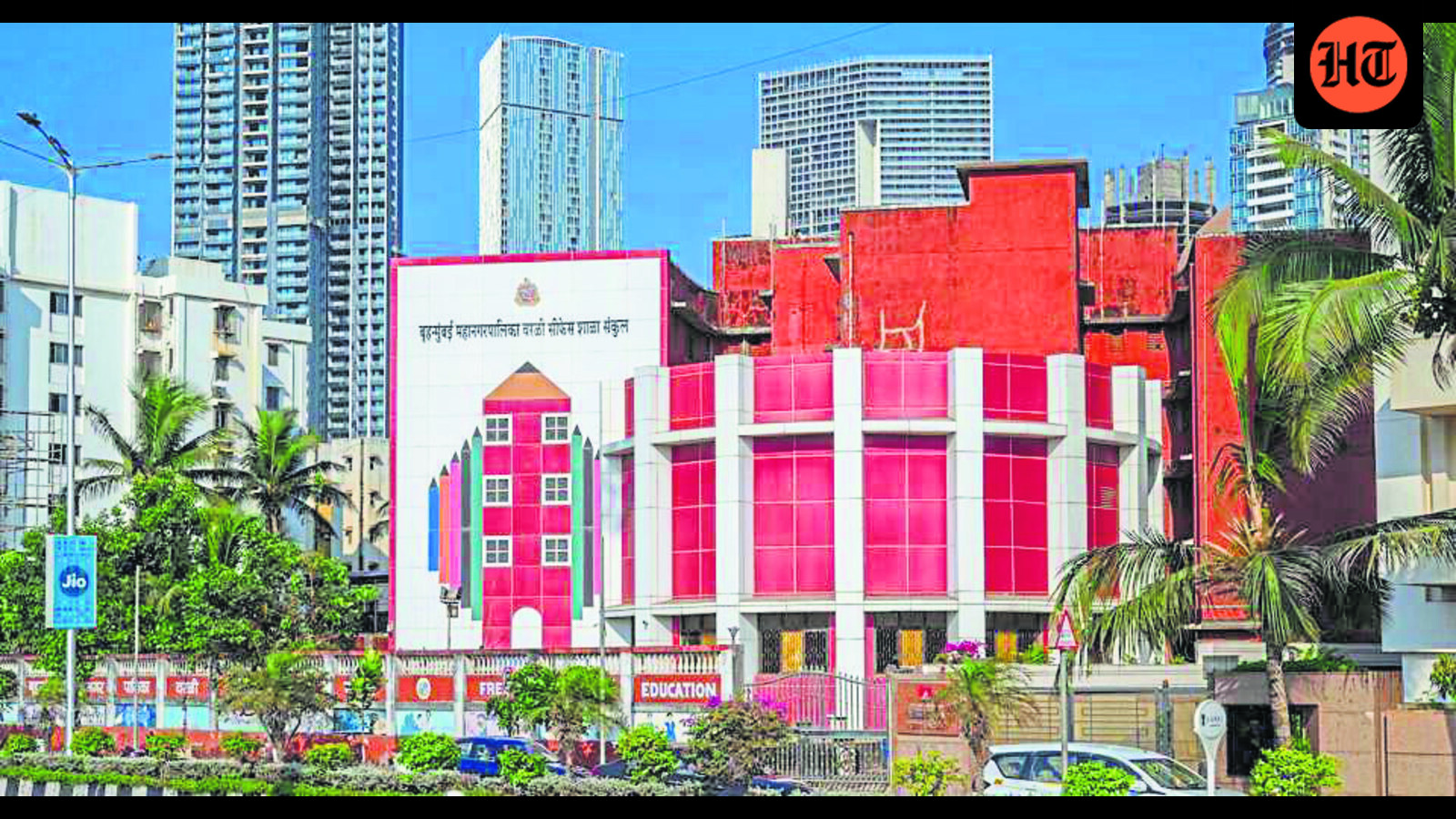
A planned relocation of nearly 600 students from a municipal school in Worli has triggered concern among families, highlighting broader questions around safety-led infrastructure decisions and continuity in public education systems in Mumbai. The move follows a structural audit that flagged sections of the existing building for repair, prompting authorities to shift secondary-grade students to another civic-run facility about a kilometre away.
The decision, while framed as a precautionary step, has brought the issue of Mumbai school relocation into focus, particularly in dense urban neighbourhoods where education infrastructure must balance safety, accessibility, and quality. Civic officials indicated that the audit identified structural defects requiring intervention on upper floors and parts of the building’s circulation areas. Under prevailing safety classifications, such structures remain usable but require timely repairs to avoid future risks. However, parents and community representatives have raised concerns over both the urgency and execution of the relocation. Many argue that repair work could have been scheduled during the summer recess, minimising disruption to academic routines. Others point to perceived gaps in facilities at the alternate campus, particularly for senior students who rely on laboratories, libraries, and structured learning environments as they approach board examinations.
Urban planners note that such situations are increasingly common in older municipal assets across Mumbai, where lifecycle maintenance often lags behind usage demands. “The challenge is not just structural safety but ensuring that temporary solutions do not compromise learning outcomes,” said an education infrastructure expert familiar with civic school systems. The Mumbai school relocation case illustrates how reactive interventions can strain already vulnerable public education networks. Data from the civic administration suggests that this is not an isolated instance. Over the past two years, multiple municipal schools across the city have undergone similar relocations after being declared unsafe or requiring major repairs. While these measures are intended to prioritise student safety, they often expose gaps in contingency planning, including the availability of equivalent facilities and seamless transitions.
From a sustainability and equity perspective, experts emphasise the need for proactive asset management. Regular structural audits, phased retrofitting, and decentralised schooling models could reduce the need for abrupt relocations. Additionally, investments in resilient, climate-adaptive school infrastructure are becoming critical as cities like Mumbai face increasing environmental stress. Local representatives have indicated that discussions are underway to review the relocation plan and assess alternatives that minimise disruption. The outcome will likely set a precedent for how the city approaches similar cases in the future.
As Mumbai continues to modernise its urban infrastructure, the episode underscores a key policy gap: ensuring that safety-driven decisions in public institutions are matched by equal attention to quality, accessibility, and long-term resilience in the built environment.
BMC Relocates Worli School Students Prompting Concerns Among Parents Over Facilities