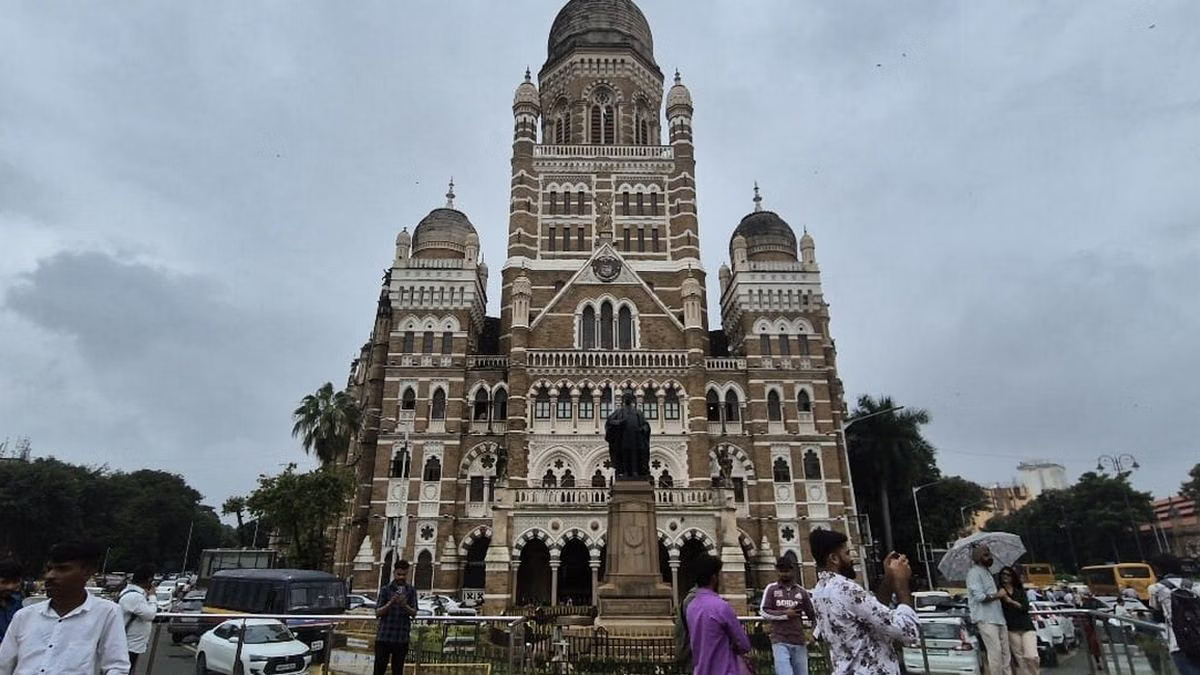
Mumbai’s civic administration is preparing to tap capital markets for the first time, signalling a potential shift in how India’s financial capital funds large-scale urban infrastructure. The Brihanmumbai Municipal Corporation (BMC) has begun preliminary steps to raise money through municipal bonds, driven by mounting infrastructure commitments and new incentives announced at the national level.
According to civic officials familiar with the process, the BMC has initiated accreditation and credit-rating procedures, a mandatory requirement before any bond issuance. This groundwork is expected to conclude within the next few months, after which the civic body could move towards listing fixed-interest municipal bonds. If executed, this would mark a significant departure from Mumbai’s long-standing practice of financing projects entirely through internal surpluses and bank deposits. Among the instruments under active consideration are blue bonds, a form of municipal debt earmarked for water and wastewater infrastructure. Officials indicated that the BMC is evaluating a potential fundraise running into several thousand crore rupees to support sewage treatment plants, water supply augmentation, wastewater tunnels and treatment facilities. Urban infrastructure specialists note that such bonds align well with climate-resilient city planning, as they link financing directly to environmental outcomes.
The civic body is also examining toll-backed bonds to support transport infrastructure, particularly the northern extension of the Mumbai Coastal Road. These instruments would be serviced through future toll revenues rather than general municipal income, potentially insulating core civic services from repayment risks. Policy experts suggest this model could help large cities accelerate capital-intensive projects without straining annual budgets. Mumbai’s exploration of bond financing comes despite its status as India’s wealthiest municipal corporation. With annual budgets exceeding ₹70,000 crore and large fixed deposits accumulated over decades, borrowing was historically viewed as unnecessary. Major projects such as the coastal road, cross-city link roads and large sewage treatment facilities were funded almost entirely through internal resources.
However, officials acknowledge that the scale and simultaneity of upcoming projects have altered the financial equation. With rising liabilities and long-term commitments across water management, coastal protection and mobility infrastructure, the civic body is reassessing its capital structure. Industry analysts see this as part of a broader trend where even cash-rich urban bodies are seeking diversified funding sources to manage risk and improve financial discipline. The renewed push has also been supported by policy signals from the Union Budget, which introduced incentives for large municipal bond issuances. Urban finance experts say such incentives could improve investor confidence and deepen India’s still-nascent municipal bond market, provided issuers maintain transparency and ring-fence project revenues.
If the BMC proceeds, it could set a benchmark for other large urban local bodies grappling with infrastructure backlogs and climate adaptation needs. The key test will lie in balancing fiscal prudence with ambition, ensuring that market borrowing strengthens — rather than burdens — Mumbai’s long-term urban resilience.
BMC Plans Market Funding For Water Infrastructure