


BMC Plans Green Makeover for Shivaji Park to Tackle Dust Pollution
In a bid to curb rising dust pollution levels, the Brihanmumbai Municipal Corporation (BMC) is set to initiate a grass plantation drive across the barren patches of Mumbai’s iconic Shivaji Park. The move follows directives from the Maharashtra Pollution Control Board (MPCB), which recently issued stringent guidelines aimed at controlling air pollution caused by displaced dust.
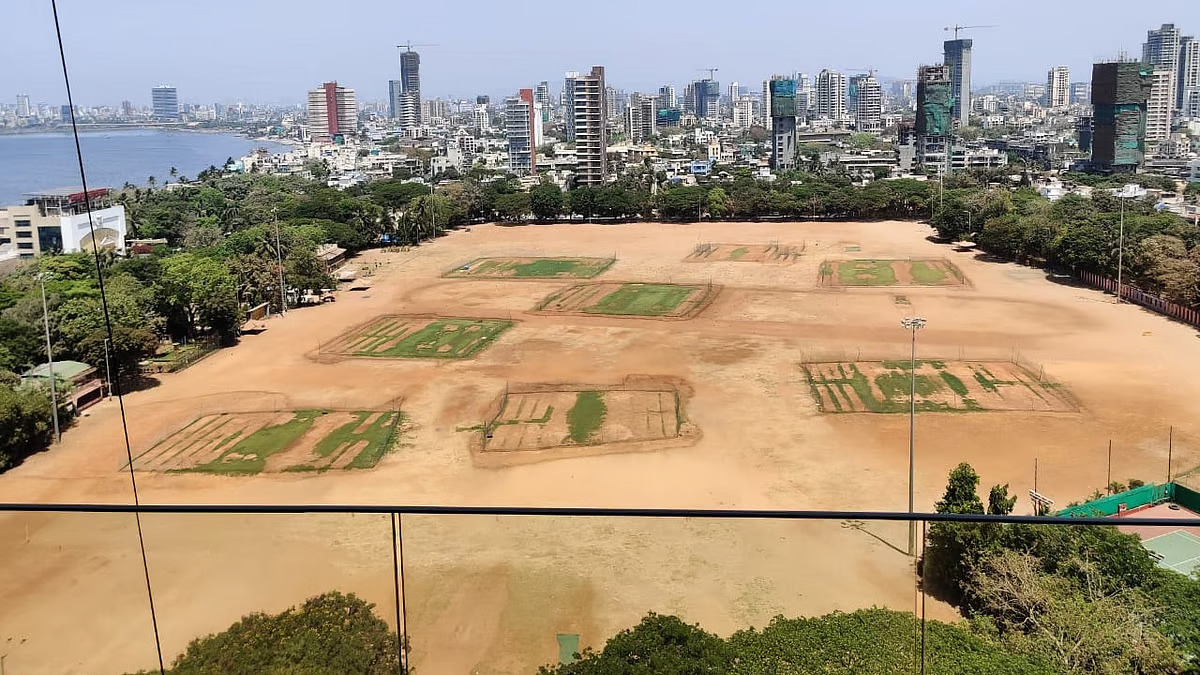
The 28-acre ground, situated in the heart of Dadar, has long been a hub for sports enthusiasts, daily walkers, and political gatherings. However, with much of its grass cover having withered away, the exposed red soil has contributed to worsening dust pollution—an issue residents have raised for over two years. This pollution has not only degraded the quality of life for locals but also posed health hazards, particularly for children and the elderly.
A civic official confirmed that the BMC is preparing a detailed proposal for the project, which will soon be submitted to the environment department for approval. Once cleared, tenders for the grass plantation will be floated, with work expected to commence by next month. The civic body plans to prioritise completing a significant portion of the greening before the monsoon season begins.
The BMC’s plan focuses on using indigenous grass species, aligning with the city’s sustainability goals. An agency will also be appointed to maintain the newly planted green cover for at least a year to ensure its longevity and prevent overgrowth or soil degradation.
Meanwhile, the MPCB has proposed the installation of a mini sewage treatment plant (STP) at Shivaji Park to provide non-potable water for maintenance and irrigation. Rising salinity in borewell water, due to seawater intrusion, has made this an urgent need, according to MPCB Chairperson Siddhesh Kadam.
While the BMC’s initial focus will remain on increasing green cover to reduce dust, the STP project may be taken up as a secondary measure if the plantation proves effective. This initiative not only aims to mitigate pollution but also highlights the growing need for integrated urban planning solutions that prioritise sustainability, health, and equitable access to public spaces in Mumbai.
