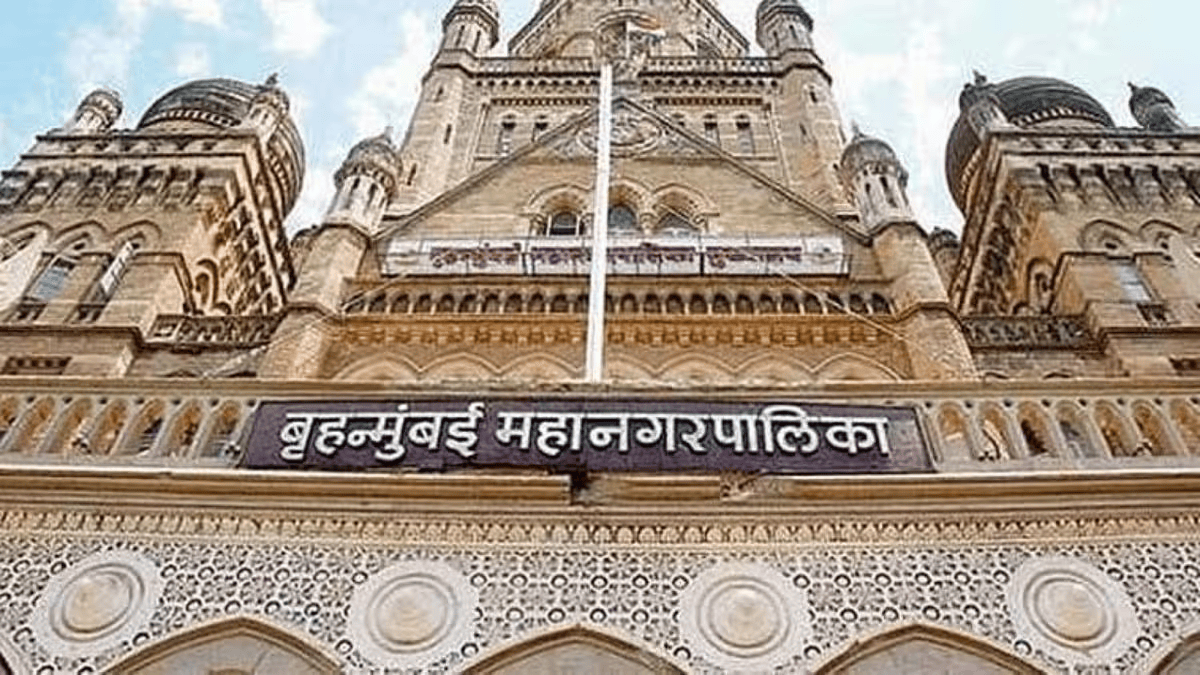
The Brihanmumbai Municipal Corporation (BMC) has launched a targeted effort to recover over ₹269 crore in pending property taxes by initiating the auction process for 12 defaulter-owned properties across Mumbai. The civic body has issued final notices, allowing defaulters 21 days to settle their dues before properties are attached and offered for e-auction under the provisions of the Mumbai Municipal Corporation Act.
The properties identified include vacant plots, commercial establishments, and mixed-use buildings in key urban hubs such as Fort, Bandra, Andheri, and Santacruz. These sites, many situated in prime commercial zones, carry significant market value, making them strategic targets for revenue recovery. Officials indicate that several of the defaulters are high-profile landowners and commercial operators, with outstanding tax liabilities running into multiple crores of rupees. Civic administrators emphasised that the move follows repeated reminders and prior recovery attempts that failed to elicit payment. Historically, similar auction notices have been withdrawn at the last moment when dues were cleared, but this round reflects a more stringent approach towards long-pending cases and habitual defaulters. A senior municipal official explained that enhancing revenue mobilisation has become a priority for the BMC, particularly after pandemic-related disruptions affected municipal finances.
Property tax represents a crucial revenue stream for the BMC, underpinning funding for urban infrastructure, sanitation services, road maintenance, drainage systems, and public health facilities. Analysts note that delayed or disputed payments by high-value property holders have historically created fiscal bottlenecks, limiting the corporation’s capacity to maintain and upgrade essential civic services. Urban economists highlight that the auction strategy not only incentivises timely payment among defaulters but also improves fiscal discipline in the real estate sector. By enforcing compliance, the BMC can strengthen its financial base, which in turn supports sustainable urban management and infrastructure development. Experts also emphasise that transparent e-auction mechanisms can maximise recovery while maintaining public trust in municipal governance.
While the current focus is on 12 properties, officials have identified additional high-value defaulters with cumulative arrears running into hundreds of crores, indicating that the initiative could expand further. Urban planners suggest that coupling stricter tax enforcement with proactive valuation updates and streamlined collection processes can enhance revenue efficiency without disproportionately affecting small property owners. As Mumbai continues to witness rising real estate values, the BMC’s assertive tax recovery measures may serve as a model for civic revenue mobilisation in other metropolitan regions. The outcome of these auctions will be closely monitored for their impact on both municipal finances and market behaviour, highlighting the intersection of governance, fiscal prudence, and urban sustainability.
BMC Moves To Recover Crore Level Property Tax