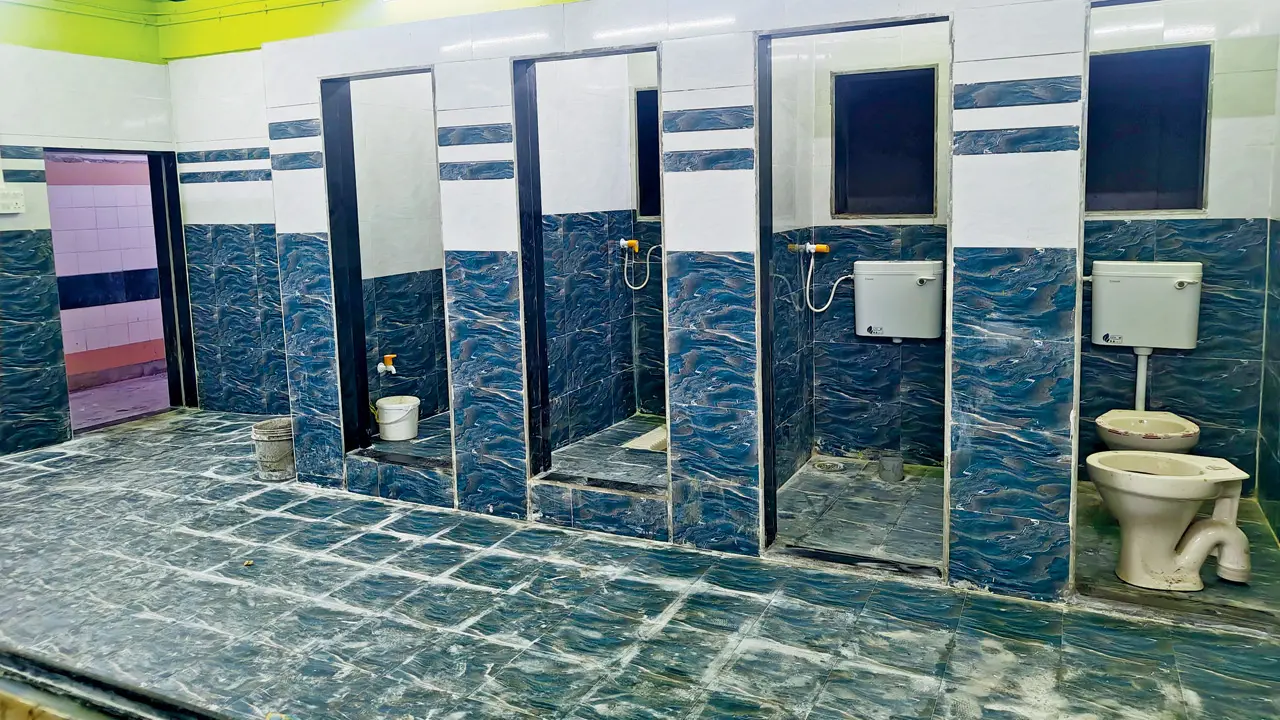
Mumbai’s public healthcare system is set for a significant overhaul as the city administration moves to modernise civic hospitals with a focus on improving patient care, operational efficiency, and basic dignity for caregivers. The upgrades, expected to roll out across major and peripheral facilities within the year, aim to address long-standing gaps in urban health infrastructure in one of India’s most densely populated regions.
At the core of the initiative is a broader push towards BMC patient care upgrade, a programme designed to improve both clinical outcomes and the experience of patients and their families. Officials indicate that the plan includes physical infrastructure improvements as well as digital systems to streamline hospital operations. One of the most immediate interventions focuses on sanitation and hygiene. Dedicated restroom facilities for relatives and attendants are being introduced across multiple hospitals. In a system where family members often remain on-site for extended periods, the lack of separate amenities has raised concerns around infection risks and overcrowding. Urban health experts say such provisions are not merely convenience upgrades but essential public health measures, particularly in high-footfall government hospitals.
Alongside physical upgrades, the administration is working to digitise hospital capacity management. A city-wide dashboard is under development to provide real-time information on bed availability across facilities, including intensive care and neonatal units. This system is expected to reduce the time families spend navigating multiple hospitals during emergencies—a persistent challenge during peak disease seasons and public health crises. The BMC patient care upgrade also includes expanding pipeline-based medical gas systems to peripheral hospitals. While major facilities already rely on centralised gas supply for oxygen and other critical needs, smaller hospitals have traditionally depended on cylinder-based systems. Experts note that piped systems improve reliability, reduce logistical delays, and enhance emergency preparedness—an area that has gained urgency in the post-pandemic urban health landscape.
The hospital modernisation effort is aligned with a larger transition underway in Mumbai’s public health network, where smaller facilities are being upgraded into multi-speciality centres. This shift is expected to decentralise access to advanced care, reducing pressure on tertiary hospitals and improving healthcare accessibility across suburban regions. From an urban planning perspective, these interventions signal a growing recognition of healthcare infrastructure as a key pillar of resilient cities. Planners highlight that investments in public hospitals not only improve health outcomes but also support economic productivity by reducing out-of-pocket healthcare burdens for low- and middle-income households.
However, challenges remain around funding, execution timelines, and integration with existing infrastructure. Ensuring that digital tools are accessible and reliable, and that new facilities are maintained over time, will be critical to the long-term success of the programme. As Mumbai continues to expand, the effectiveness of initiatives like the BMC patient care upgrade will play a defining role in shaping a more inclusive and responsive urban healthcare system.
BMC Moves To Modernise Civic Hospitals With Multi Specialty Facilities