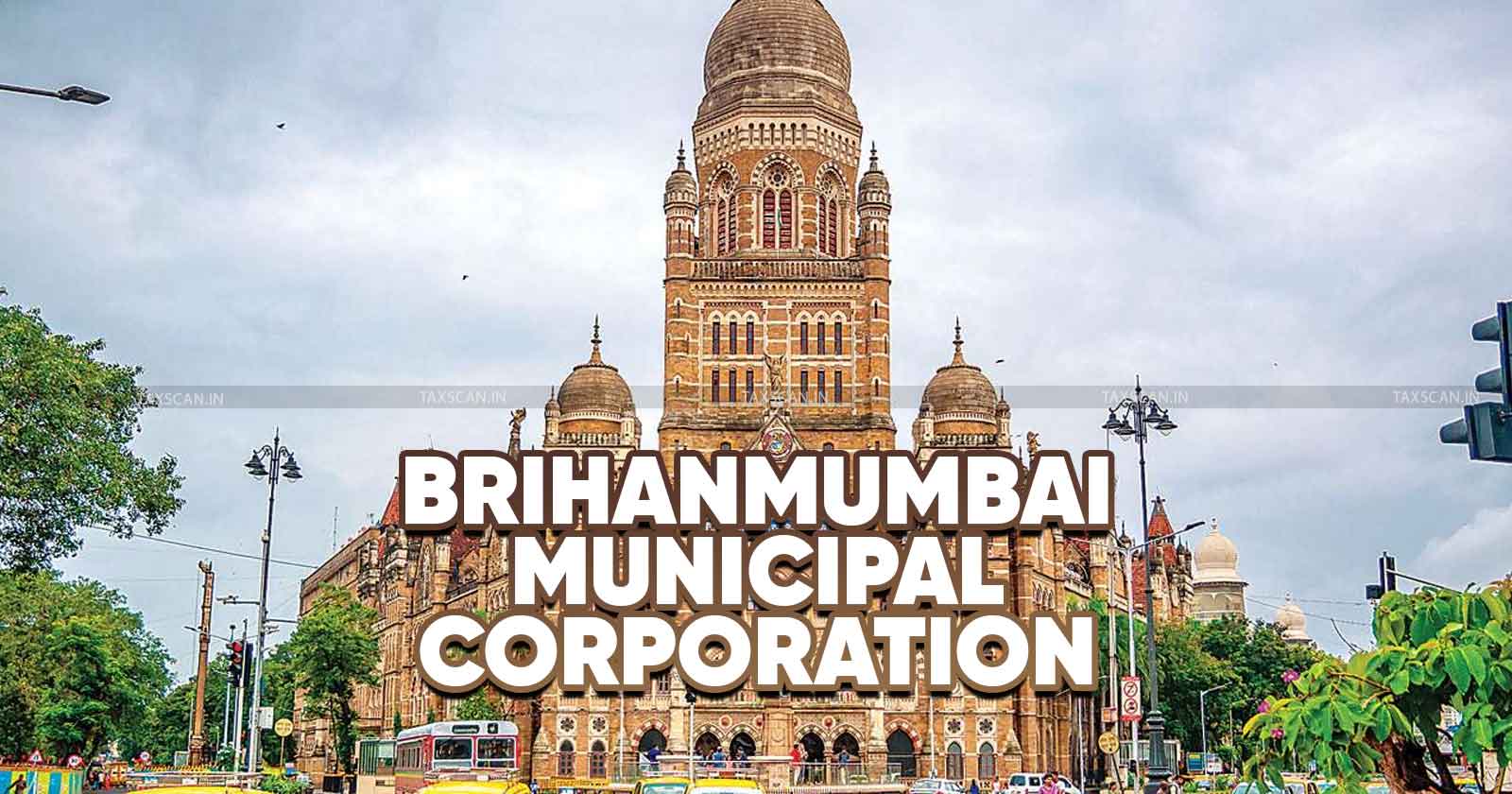
Mumbai’s Municipal Administration Has Signalled A Sharper Turn In Its Fiscal Enforcement Strategy After Issuing Asset Seizure Notices To Several Large Property Owners With Long-Pending Tax Dues. The Move, Initiated Across Multiple City Wards, Is Part Of A Wider Push To Secure Critical Municipal Revenue At A Time When Infrastructure Spending, Climate Resilience Projects, And Essential Urban Services Are Under Sustained Financial Pressure.
Senior Civic Officials Confirmed That Notices Have Been Served Under Provisions Of The Municipal Law That Allow The Seizure And Auction Of Movable Assets, Followed By Immovable Properties If Outstanding Amounts Remain Unpaid. The Current Action Targets High-Value Defaulters Whose Combined Arrears Run Into Several Hundred Crore Rupees, Reflecting Years Of Delayed Or Contested Payments. Property Tax Forms The Backbone Of Mumbai’s Municipal Finances, Funding Core Functions Such As Road Maintenance, Stormwater Drainage, Solid Waste Management, Public Health Infrastructure, And Climate Adaptation Works. Urban Finance Experts Note That Persistent Defaults By Large Property Holders Create Structural Stress In City Budgets, Often Forcing Delays In Neighbourhood-Level Improvements That Directly Affect Residents.
According To Data Reviewed By Civic Authorities, Property Tax Collections For The Current Financial Year Have Reached Just Over Two-Thirds Of The Annual Target. With The Financial Year Closing Soon, The Administration Is Under Pressure To Recover Outstanding Dues Without Increasing The Burden On Compliant Homeowners And Small Businesses. Officials Involved In Revenue Planning Said The Focus Has Shifted Towards Long-Standing High-Value Accounts That Have Accumulated Penalties Over More Than A Decade. The Enforcement Process Follows A Defined Legal Escalation. Property Owners Are Issued Assessment Notices, Followed By Demand Intimations And Final Recovery Warnings. Failure To Respond Triggers Action Beginning With The Attachment Of Movable Assets Such As Bank Accounts Or Equipment. In Cases Where Recovery Remains Incomplete, The Law Permits The Auction Of Land Or Built Assets After Due Process.
Urban Policy Analysts View The Crackdown As A Necessary Reset In Governance Credibility. Mumbai’s Expanding Transit Network, Affordable Housing Programmes, And Climate-Resilient Infrastructure Plans Depend On Predictable Local Revenues. When High-Value Developments Remain Outside The Compliance Net, The Cost Is Ultimately Passed On To Citizens Through Service Gaps Or Deferred Projects. Real Estate Industry Observers Said The Action Sends A Clear Signal That Scale Does Not Exempt Developers Or Commercial Property Owners From Civic Responsibility. Transparent And Timely Tax Compliance, They Added, Is Central To Building Trust Between City Authorities, Investors, And Residents In A Dense, High-Growth Urban Region.
As Mumbai Prepares For Another Monsoon Season And Accelerates Work On Transport, Housing, And Environmental Upgrades, The Success Of This Recovery Drive Will Be Closely Watched. The Coming Weeks Will Indicate Whether Stronger Enforcement Can Translate Into Sustainable Municipal Finances And More Equitable Urban Development Outcomes.
BMC Moves To Enforce Property Tax Compliance