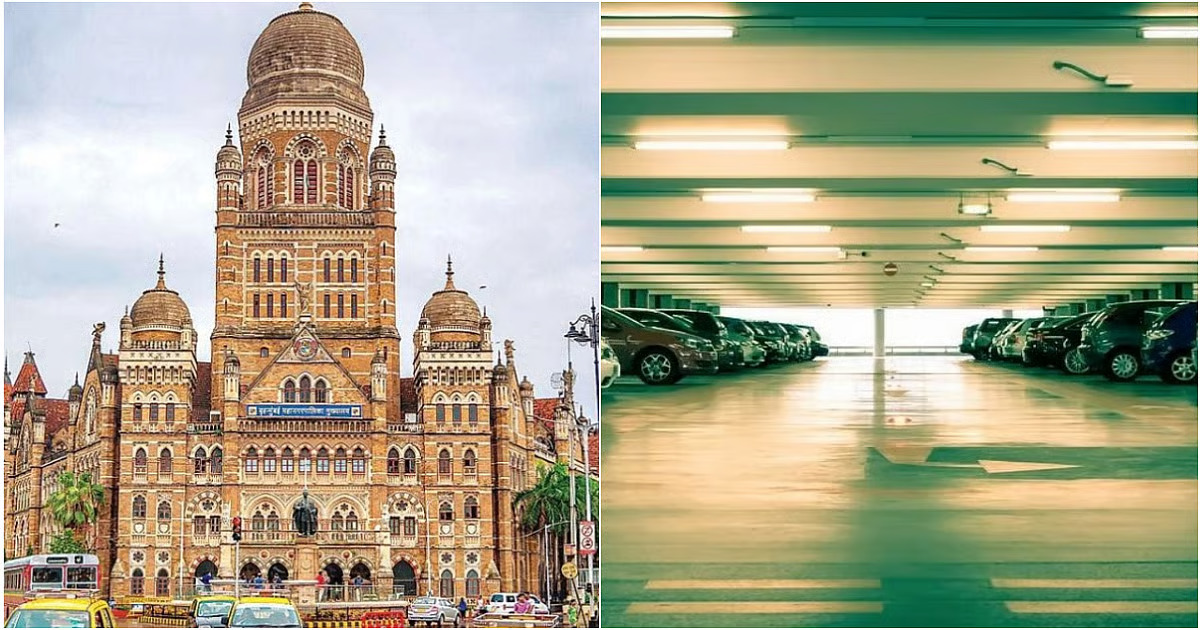
Mumbai’s civic administration has revived its long-pending smart parking initiative, moving closer to a citywide digital system aimed at easing congestion and improving urban mobility. The project, under discussion for several years, has now entered an execution phase with authorities initiating steps to onboard a consultant for building a centralised digital platform.
The Mumbai smart parking system is expected to create a unified database of parking spaces across the city, integrating both municipal and privately managed facilities. Officials indicate that the platform will be accessible through a mobile application and web interface, enabling motorists to identify and reserve parking slots in advance—an approach that could significantly reduce time spent searching for parking in high-density areas. With Mumbai recording one of the highest vehicle densities among Indian cities, parking has emerged as a critical urban challenge. Estimates suggest that vehicle ownership has grown steadily in recent years, intensifying pressure on limited road space. The city currently operates hundreds of on-street parking zones and a smaller number of off-street facilities, but these remain fragmented and largely unmanaged through digital systems.
Urban mobility experts say the Mumbai smart parking initiative could mark a shift towards data-driven traffic management. By providing real-time information on parking availability, the system is expected to reduce unnecessary vehicle circulation, a major contributor to congestion and emissions. “Smart parking solutions are not just about convenience; they are integral to reducing fuel consumption and improving air quality in dense cities,” said a transport planner. A notable feature of the proposed system is the inclusion of private parking inventory, including spaces in commercial complexes and potentially residential premises during off-peak hours. This shared-use model reflects a broader trend in urban planning, where underutilised assets are leveraged to improve efficiency without requiring additional land.
Authorities are also considering a pilot rollout across select wards spanning different parts of the city. This phased approach is expected to test operational feasibility and user adoption before scaling up citywide. The initial investment for the digital infrastructure has been earmarked at approximately ₹3 crore, signalling a relatively low-cost entry point for a potentially high-impact intervention. Beyond convenience, the system could influence commuter behaviour. By allowing users to check parking availability before travel, it may encourage a shift towards public transport when parking is scarce. This aligns with Mumbai’s broader push towards sustainable mobility, including metro expansion and multimodal integration.
However, experts caution that the success of the initiative will depend on enforcement, pricing strategies, and integration with wider transport policies. Without effective regulation, digital platforms alone may not resolve issues such as illegal parking or encroachment. As Mumbai continues to grapple with land scarcity and rising vehicle numbers, the rollout of a smart parking system represents a step towards more efficient use of urban space. The coming months will determine whether this long-delayed initiative can deliver tangible improvements in mobility, environmental sustainability, and overall quality of urban life.
BMC Moves Ahead With Smart Parking Rollout Plan After Long Delay