


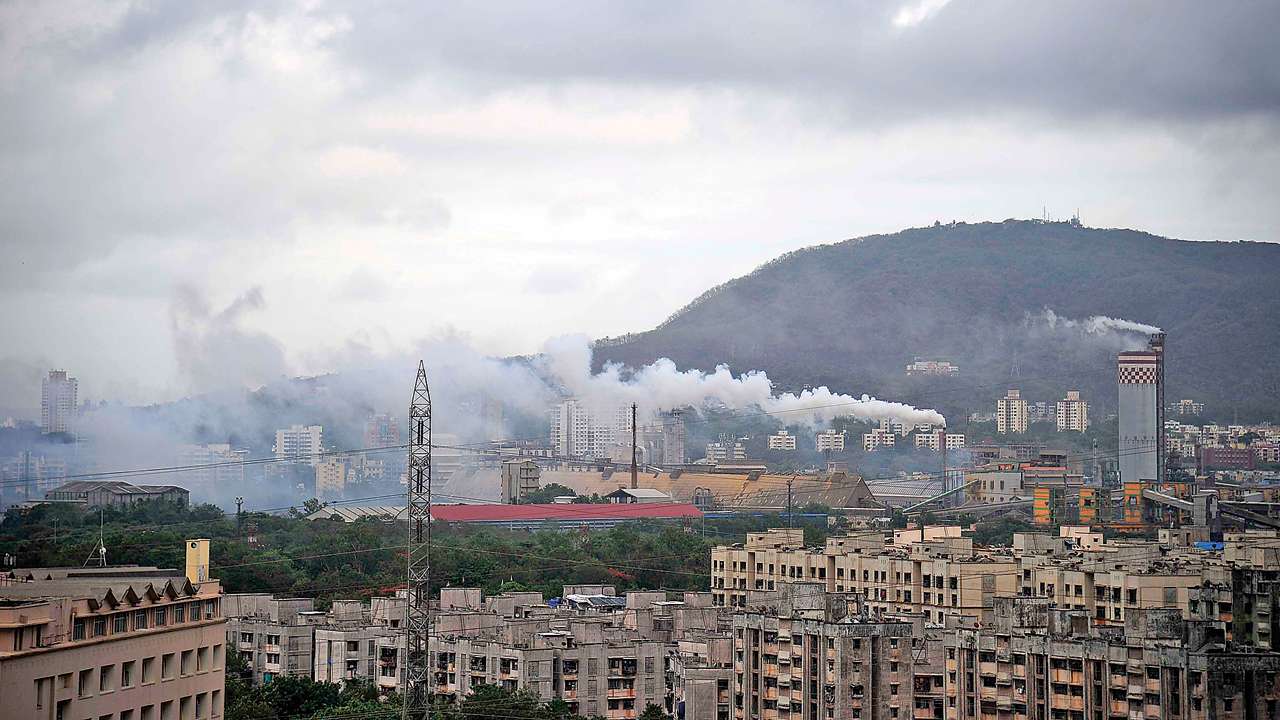
Mumbai is preparing for the winter season with a high-tech intervention to curb rising air pollution levels. The Brihanmumbai Municipal Corporation (BMC) has floated e-tenders for the design, supply, commissioning, and one-year operation of vehicle-mounted multipurpose dust suppression systems. These battery-operated vehicles, equipped with suction, sprinkler, and fogging technology, aim to reduce particulate matter in high-traffic areas across the city.
Civic experts emphasise that winter months worsen air quality in Mumbai as low wind speeds cause pollutants to linger. The initial phase will see deployment in critical zones such as the Bandra Kurla Complex (BKC) and the Western Express Highway (WEH), which consistently report elevated pollution levels due to heavy vehicular movement. Officials explained that the fleet, comprising 12 vehicles in the first phase, will cost approximately Rs 75 crore. Each vehicle will feature sweepers that collect dust particles, which are stored in onboard chambers. Once full, these chambers will transfer the collected dust to municipal waste collection vans for transport to BMC debris processing centres, where the material will be recycled.
“This initiative not only tackles air pollution directly but also aligns with the city’s broader sustainability goals by integrating waste management and eco-friendly technology,” said a senior BMC official. The vehicles’ battery operation ensures low carbon emissions, reinforcing the city’s commitment to environmentally responsible urban solutions. The project’s contract covers six months for vehicle supply and a one-year maintenance period, allowing authorities to monitor performance and efficiency. Once operational, the vehicles will complement existing pollution control measures, including road cleaning, tree plantation drives, and vehicle emission monitoring.
Plans are underway to expand the fleet and integrate it with other urban transport systems. Officials highlighted that the vehicles could eventually operate in tandem with metro and bus terminals, creating a holistic approach to sustainable urban air management. Experts suggest that innovations like these are essential as Mumbai grapples with rising population density and traffic-induced pollution. The BMC initiative represents a model of proactive urban governance, combining technology, environmental sustainability, and operational efficiency. By replicating international best practices, Mumbai aims to create cleaner, safer, and more equitable public spaces for residents, particularly during the vulnerable winter months.
The deployment of these vehicles marks a significant step towards a zero-net carbon and eco-friendly transport ecosystem, ensuring that air quality improvements translate directly into public health benefits.
Also Read: Pune Installs 150 Bus Shelters Without Mandatory Approval From PMC Authorities
