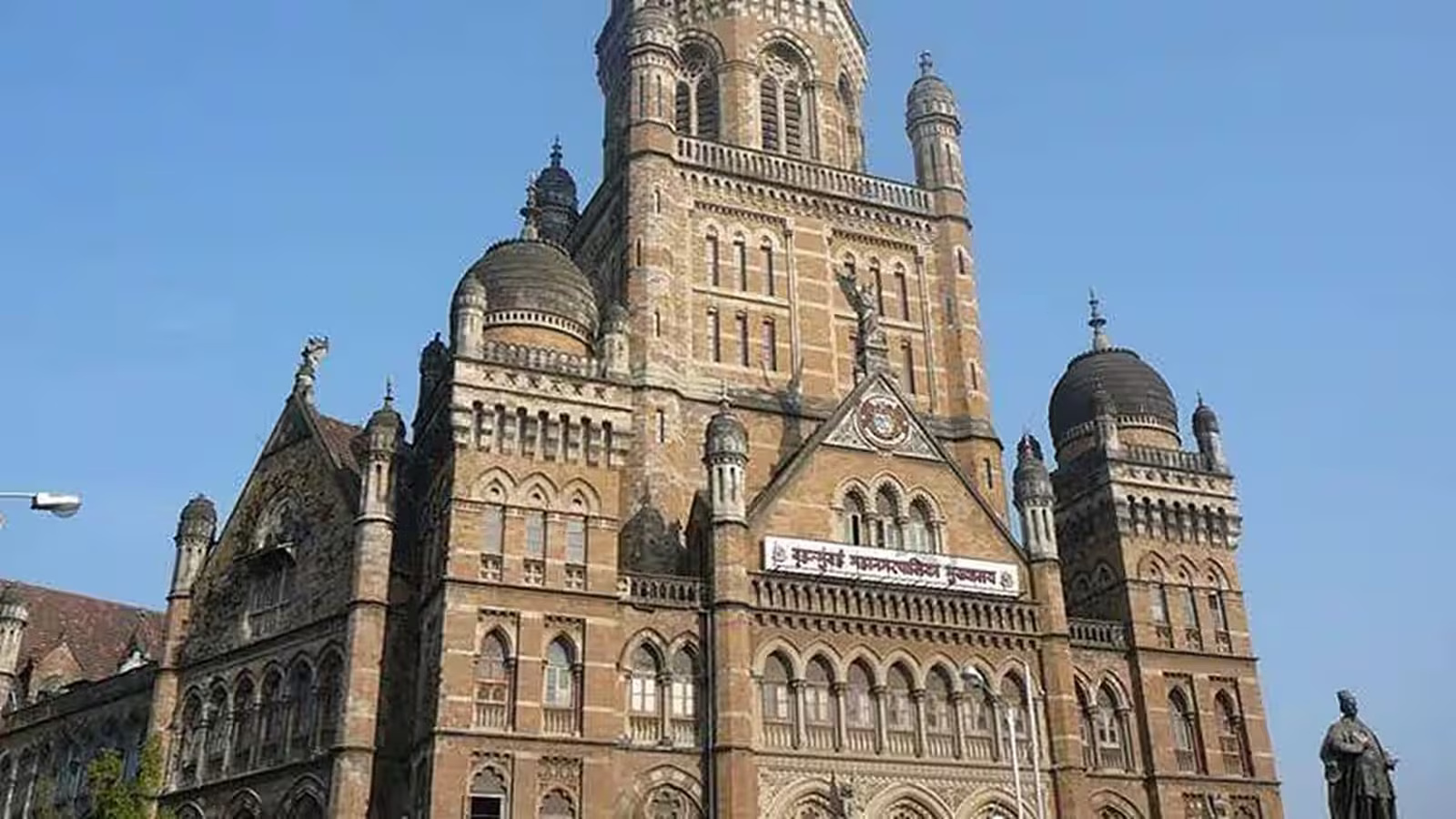
Brihanmumbai Municipal Corporation (BMC) will supply treated sewage water to the Cricket Club of India (CCI) for maintenance of its lawns and sports ground. The decision marks the first instance where BMC’s recycled water will be supplied to a private institution for non-potable purposes, signalling a new approach to bridging Mumbai’s water demand-supply gap.
The three-year agreement, confirmed by the Additional Municipal Commissioner (Projects), establishes a supply of approximately 100 kilolitres of treated water daily from BMC’s Colaba Sewage Treatment Plant (STP). BMC will charge a nominal fee of Rs 21 per kilolitre, generating an estimated Rs 16 lakh annually in revenue. Supply will be active for eight months annually, excluding the monsoon season, with the CCI arranging tanker logistics for water collection. “Previously, treated sewage water was exclusively utilised for civic purposes such as road washing, firefighting, and landscaping public gardens,” an official said. “This initiative demonstrates Mumbai’s capacity to extend sustainable water practices to the private sector without compromising public supply.”
The Colaba STP, commissioned in 2020, is Mumbai’s largest tertiary treatment facility, capable of processing up to 37 million litres per day (MLD), of which 15 MLD is currently recycled. BMC plans to upgrade the plant to an Advanced Treatment Plant (ATP) to produce water suitable for human consumption in the future, reinforcing the city’s broader net zero and water resilience strategies. Currently, Mumbai’s daily water demand is approximately 4,200 MLD, with BMC supplying 3,850 MLD. Only a fraction of sewage generated—around 1 per cent of 2,190 MLD—is recycled. The agreement with CCI represents a pilot step towards more systematic reuse of treated water in private and semi-public spaces, potentially reducing stress on potable water sources and aligning with sustainable urban water management goals.
Urban planners highlight that initiatives like these not only conserve freshwater but also model circular economy principles within the city’s infrastructure. “Using recycled water for non-potable purposes is a practical, low-carbon strategy that benefits both civic authorities and private stakeholders,” an industry expert noted. This collaboration also dovetails with BMC’s Rs 28,000 crore STP expansion plan, which aims to commission seven new plants treating 2,464 MLD of sewage from 2026 onwards. Such measures, coupled with enhanced public-private partnerships, are expected to advance Mumbai’s journey towards zero-carbon, water-secure, and resilient urban development.
BMC’s step sets a precedent for sustainable civic-private collaboration, demonstrating that urban water resources can be managed efficiently while supporting environmental and infrastructural sustainability.
BMC Launches First Sewage Water Supply Project For CCI Ground Care