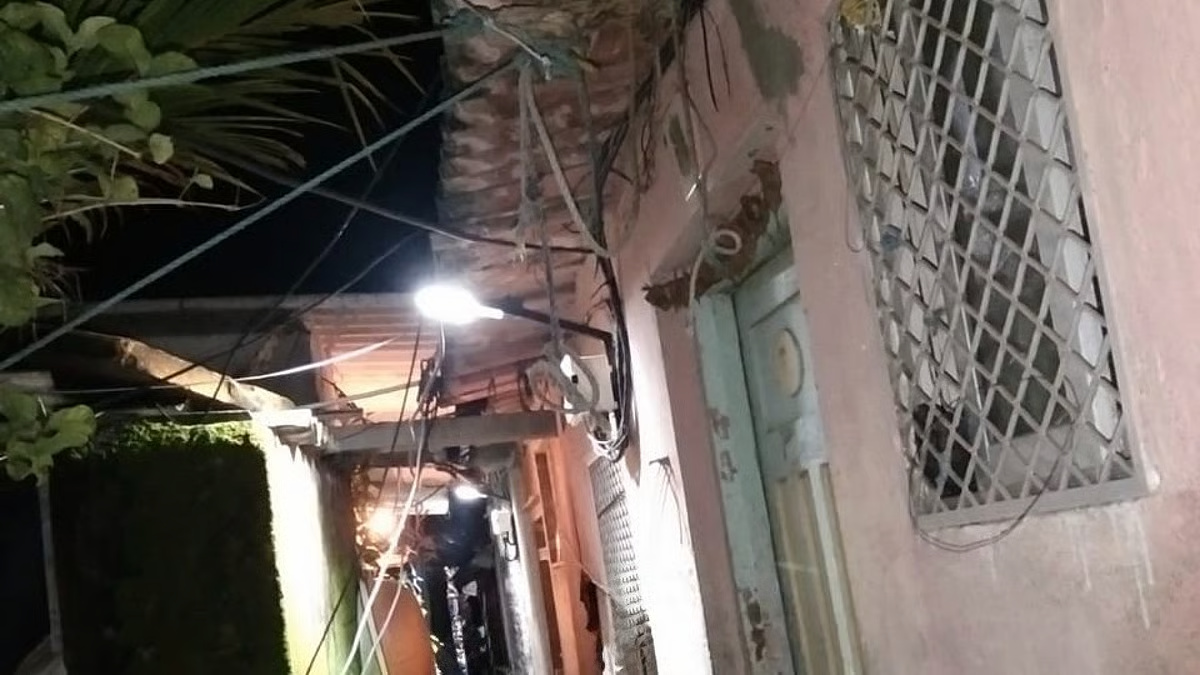
The Brihanmumbai Municipal Corporation (BMC) has embarked on a pioneering urban safety and infrastructure initiative, rolling out LED lighting across Colaba’s densely populated slum areas. The project, executed in partnership with the Brihanmumbai Electricity Supply and Transport (BEST), aims to install 5,000 poles, with the first 2,500 already operational, marking the city’s largest effort to illuminate informal settlements comprehensively.
The initiative covers key localities such as Ganesh Murti Nagar, Shiv Shakti Nagar, and Macchimaar Nagar, addressing persistent safety and visibility challenges in narrow, crowded lanes. “Enhanced lighting has already improved both resident confidence and public safety,” an official overseeing the project noted, highlighting a tangible reduction in petty crimes and nighttime accidents in early implementation zones. The BMC’s move comes after prior experiments with solar-powered lighting faced limitations, including inconsistent sunlight exposure, battery maintenance challenges, and theft. Learning from these operational hurdles, authorities opted for robust LED technology to ensure energy efficiency, durability, and consistent performance. “The choice of LED over solar addresses long-term reliability while remaining cost-effective,” an urban planner associated with the project said.
Financially, the initiative is estimated at Rs 8–10 crore, with funding secured through a combination of civic allocations and support from Colaba MLA and Maharashtra Legislative Assembly Speaker, Rahul Narvekar. Officials emphasized that this first-of-its-kind urban upgrade for slum settlements could serve as a model for other high-density neighbourhoods across Mumbai, promoting inclusive infrastructure planning. Residents of Macchimaar Nagar have already reported a marked improvement in public space usability, particularly during evening hours, enhancing both mobility and community engagement. “Walking home feels safer, and children can now play outside without immediate risks from poor visibility,” a local resident shared, underscoring the social impact of the project.
The second phase, currently underway, will complete the remaining 2,500 LED installations, extending the benefits city-wide in Colaba’s informal settlements. Officials confirmed plans to monitor lighting efficacy and explore integration with smart city systems, including potential solar hybrid options to further reduce carbon footprint, aligning the project with Mumbai’s sustainable urban development goals. By addressing both safety and energy efficiency in high-density areas, the BMC and BEST initiative exemplifies a pragmatic approach to inclusive urban infrastructure, marrying technology with social equity. The Colaba pilot is likely to inform future municipal planning strategies, demonstrating that sustainable urban solutions can coexist with historically underserved communities.
BMC Launches First Ever Colaba Slum LED Project To Improve Safety