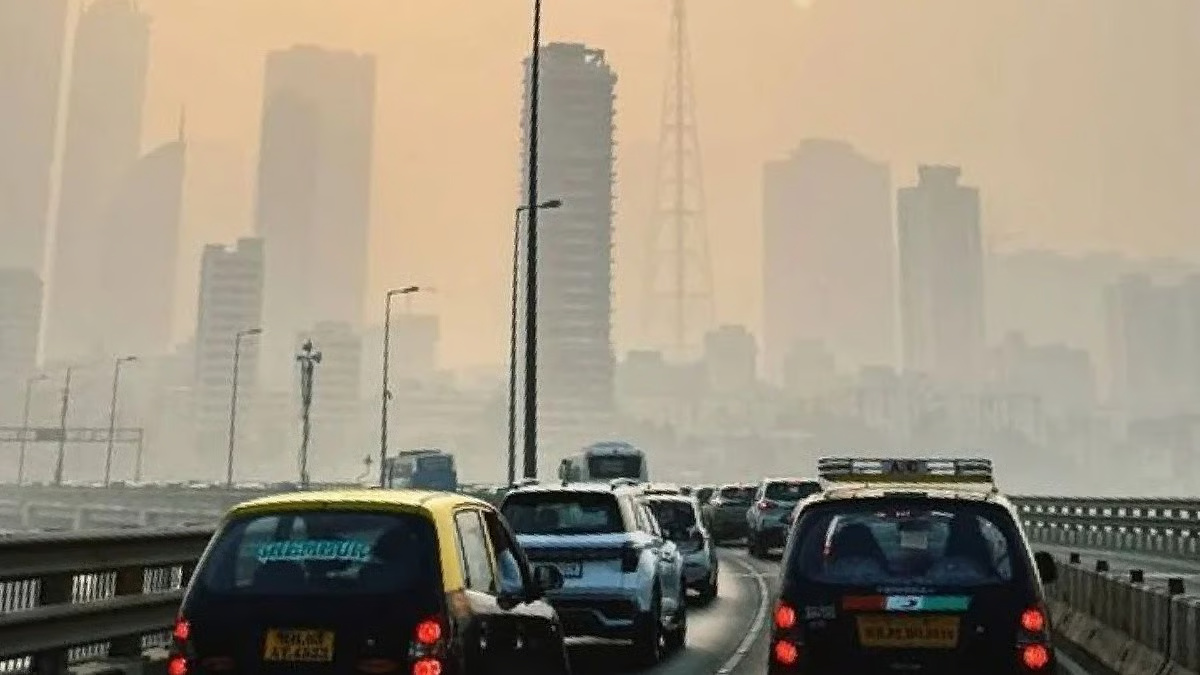
The Brihanmumbai Municipal Corporation (BMC) has unveiled a robust set of 28 guidelines to curb air pollution across Mumbai and its suburbs, focusing particularly on dust and emissions from construction activities. Officials stated that the measures aim to enhance monitoring, reinforce compliance, and create a cleaner urban environment for residents in the city’s rapidly expanding neighbourhoods.
Construction sites have been identified as major contributors to particulate pollution. Under the new directives, contractors are required to prevent dust from escaping project areas, maintain proper hygiene at labour camps, and avoid using fuel sources that generate excessive smoke, such as firewood. These measures are designed to safeguard both workers and nearby communities from harmful emissions. “All construction sites must implement dust-control systems including sprinklers, fogging machines, and barricades of at least 25 feet where necessary,” a BMC official said. Open storage of materials such as sand, soil, and debris is now prohibited, and all such items must be covered or enclosed. The corporation has also emphasised keeping roads and footpaths around construction zones free of accumulated dust.
Vehicle-related emissions remain a key concern. The guidelines mandate regular maintenance of trucks and machinery, valid pollution-control certificates, and full coverage for all vehicles transporting debris or soil to prevent spillage. Wheels must be washed before leaving sites, reducing the spread of dust into public spaces. To strengthen monitoring, large project sites are now required to install sensor-based air-quality systems. Any breach of prescribed pollution thresholds must be reported immediately, and corrective measures taken without delay. Officials highlighted that strict enforcement will continue, with penalties for non-compliance ensuring adherence to the guidelines.
Industry experts noted that these measures align with global best practices for urban construction management. “Systematic control of dust and vehicle emissions can significantly improve air quality and reduce public health risks in dense urban areas,” said a senior environmental consultant. The BMC has appealed for cooperation from developers, contractors, and citizens, stressing that collective responsibility is essential to maintain cleaner air. The guidelines not only target regulatory compliance but also aim to foster sustainable urban development and improve the quality of life for Mumbai’s residents.
By integrating monitoring technology and clear operational standards, the initiative represents a step toward a zero-carbon, healthier city while demonstrating the municipal body’s commitment to sustainable infrastructure growth and environmental stewardship.
BMC Issues 28 Point Guidelines To Curb Construction Dust And Pollution Mumbai