


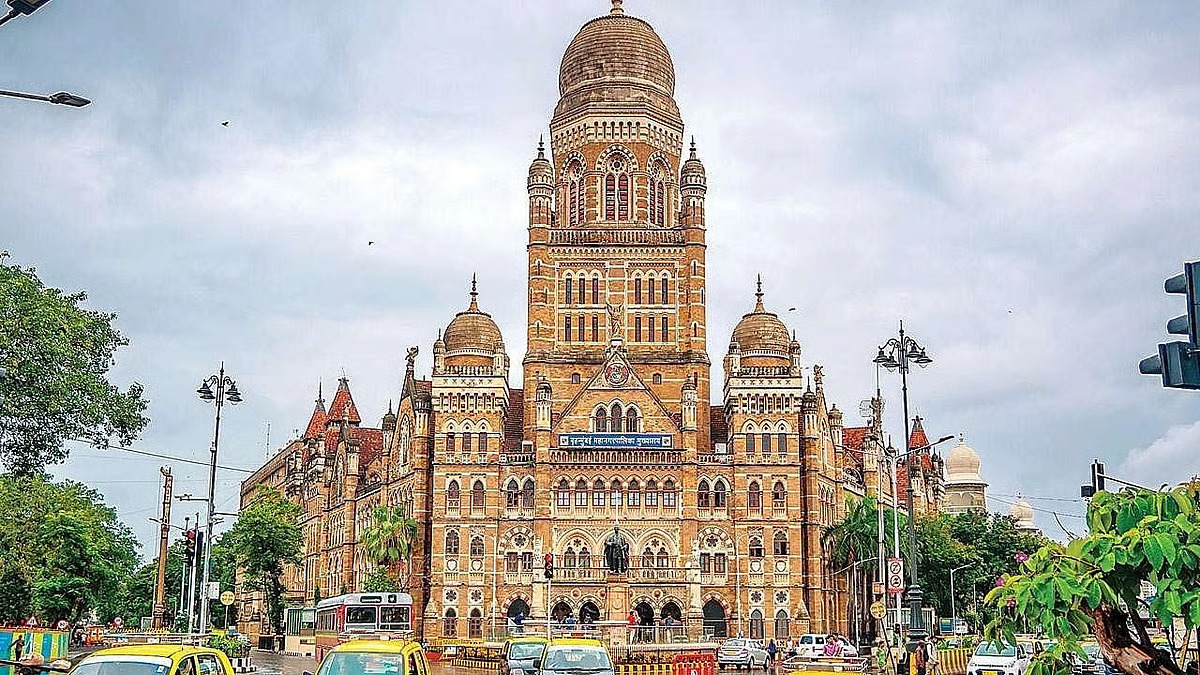
The Brihanmumbai Municipal Corporation (BMC) has invited bids for the Rs 980 crore modernisation of the Deonar abattoir under a Public-Private Partnership (PPP) model, aiming to transform one of Asia’s largest and oldest slaughterhouses into a sustainable, humane, and technologically advanced facility.
The civic body’s plan envisions a comprehensive redevelopment that balances food safety, animal welfare, and environmental management while meeting the meat demand of the Mumbai Metropolitan Region. The project, which allocates around Rs 250 crore for core operations, seeks to integrate modern slaughtering processes, waste recycling systems, and renewable energy-based utilities to reduce the ecological footprint of the facility. According to senior officials, the proposal includes the construction of species-specific abattoirs for buffalo, sheep and goat, pig, and poultry, each designed with advanced equipment for humane handling and slaughter. The upgraded facility will have a daily processing capacity of 1,100 buffaloes, 10,000 goats and sheep, 500 pigs, and 40,000 poultry birds.
The turnkey project will cover the planning, design, and commissioning of key infrastructure such as lairages, administrative buildings, skill training centres, food courts, effluent treatment systems, and a bio-methanisation unit to manage organic waste. Civic officials confirmed that the inclusion of the bio-methanisation system will help generate clean energy, aligning with the city’s net-zero carbon transition goals. Under the PPP framework, private partners will undertake the Build-Operate-Transfer (BOT) concession for 20 years. The concessionaire will finance, construct, and operate the species-specific facilities, providing slaughtering and quartering services at BMC-regulated rates. In return, a share of the operational revenue will be remitted to the civic authority, ensuring financial sustainability and public accountability.
Officials said the proposed abattoir will be designed to comply with international hygiene standards, with dedicated systems for wastewater treatment, odour control, and solid waste management. The adoption of automated electrical stunners, group stunning pens, and carbon dioxide stunning methods will ensure humane practices and enhance efficiency while minimising stress on livestock. Experts from the urban development sector view the project as a significant step towards modernising civic infrastructure through responsible public-private collaboration. The Deonar redevelopment model could serve as a blueprint for other Indian cities seeking to balance public health, sustainability, and industrial efficiency.
By integrating humane technology, waste-to-energy systems, and emission control mechanisms, the Deonar abattoir modernisation underscores Mumbai’s evolving vision of becoming a cleaner, equitable, and climate-conscious megacity.
Also Read :Navsari Delhi Mumbai Expressway Stretch to Fully Open by November End
