


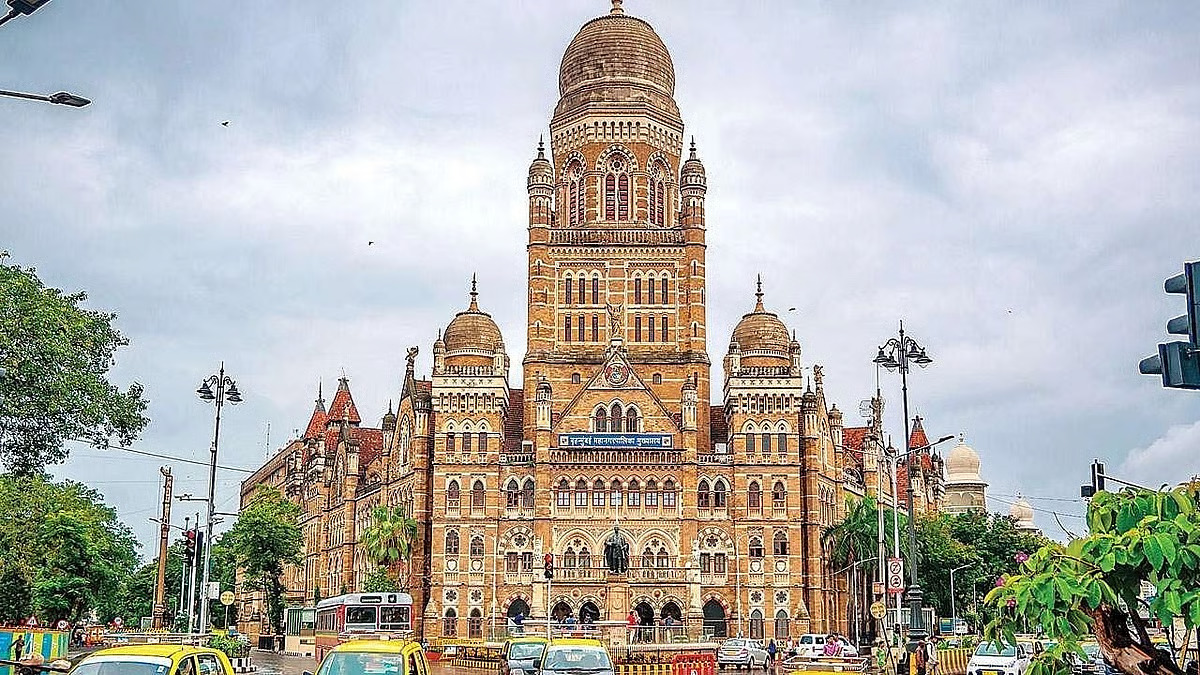
Brihanmumbai Municipal Corporation (BMC) has launched a pilot project integrating laser-based and Internet of Things (IoT) technologies for real-time waterlogging monitoring. The initiative aims to modernise flood management through data-driven alerts and automated response systems at six major flood-prone locations across the city.
According to civic officials, the project will deploy Light Detection and Ranging (Lidar) sensors to measure rising water levels with high precision. The pilot sites include Hindmata, Gandhi Market, Andheri Subway, Malad Subway, and the holding ponds near St Xavier’s and PM Garden. The Lidar units, which send laser pulses to measure distance and depth, can provide instant updates even during heavy rain, allowing for more accurate flood predictions and quicker intervention. If successful, the civic body plans to integrate the sensors with IoT-enabled systems capable of automatically activating pumps and drainage mechanisms when water levels breach set limits. This automated response is expected to reduce dependence on manual checks and improve efficiency during sudden downpours. Each Lidar unit will cost around ₹3.5 lakh for primary locations and ₹3 lakh for the pond sites, including installation and maintenance for the first monsoon cycle.
A senior BMC official explained that the pilot represents a step towards developing a smart and resilient flood management network for Mumbai. “By using sensor-based data and automation, the system will enhance response times, reduce human risk, and support better planning for future urban flooding scenarios,” the official said. Experts view the initiative as part of a wider push to make Mumbai’s infrastructure more climate-resilient. With the city experiencing shorter but more intense rainfall events in recent years, conventional drainage systems have struggled to cope. The Lidar-IoT integration could provide valuable real-time data for flood forecasting and long-term planning, aligning with the city’s broader sustainability goals.
Earlier this year, the BMC proposed a ₹12,705-crore flood mitigation package to the Disaster Management Authority. The proposal includes 26 projects combining structural and nature-based solutions such as bioswales, sponge parks, and improved water retention zones designed to absorb excess rainwater. As Mumbai continues to urbanise rapidly, the adoption of emerging technologies like Lidar and IoT could redefine how Indian cities manage extreme weather. While still in its trial phase, the pilot reflects a shift towards data-driven, sustainable urban governance focused on resilience and public safety.
Also Read: BMC Permits Two-Hour Pigeon Feeding At Four Newly Approved City Zones
