


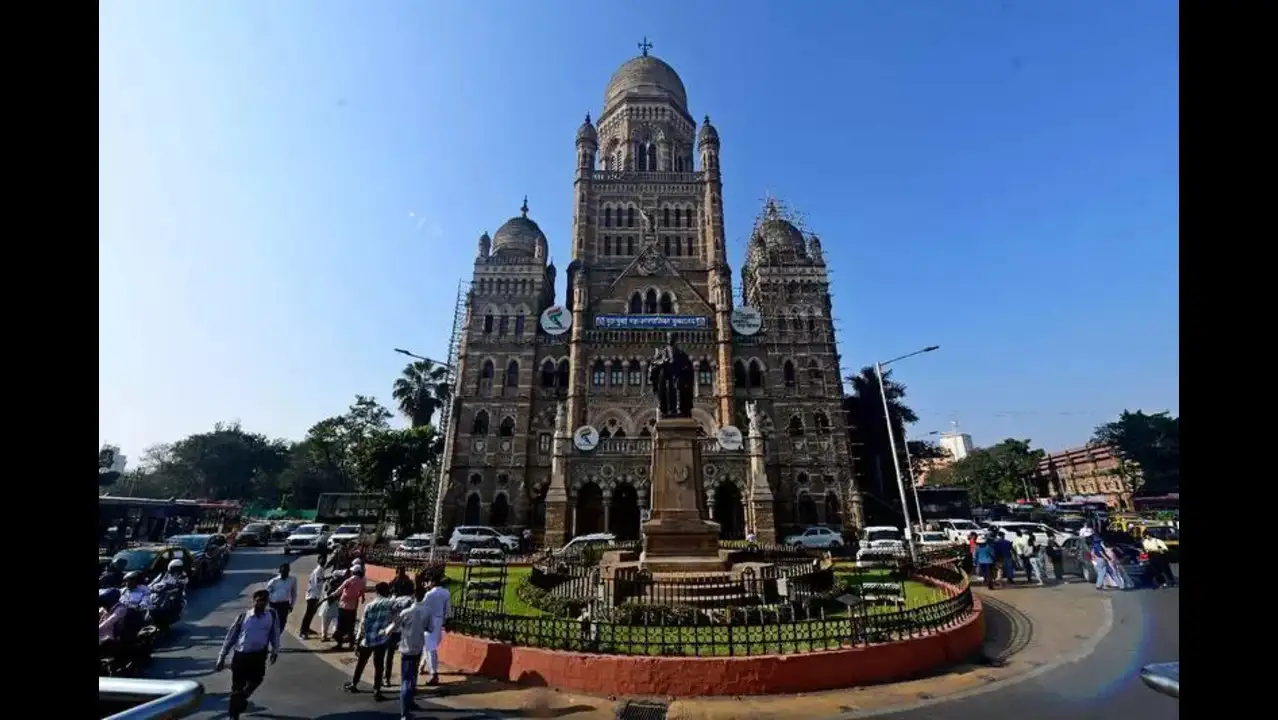
Mumbai’s civic body has introduced a decisive measure to tighten waste management norms, banning the transportation of wet waste from bulk waste generators through third-party agencies. The new directive mandates that large residential complexes, commercial establishments, and institutions must either process their wet waste on their premises or hand it over directly to the Brihanmumbai Municipal Corporation (BMC).
According to senior municipal officials, the decision aims to close loopholes that allowed significant quantities of unprocessed waste to be shifted outside the city’s formal disposal system, undermining Mumbai’s broader sustainability targets. The move, they emphasise, is part of the city’s long-term goal to build a circular waste economy and minimise landfill burden. Bulk waste generators are defined as establishments producing more than 100 kg of waste per day or occupying a built-up area exceeding 5,000 square metres. Current BMC data reveals that Mumbai has 2,609 such units. Of these, 784 process their waste onsite, 1,098 submit it directly to BMC, while 727 outsource disposal to third-party operators — a practice now outlawed.
Officials confirmed that BMC’s domestic sanitary and special care waste collection services will now be the only authorised channel for bulk waste collection if on-site processing is not undertaken. The civic body is also incentivising self-processing by offering property tax concessions to compliant establishments. “This policy is not only about enforcement; it is about changing the culture of waste disposal in Mumbai,” an official said, adding that onsite processing reduces the carbon footprint associated with waste transportation and helps create compost or biogas locally.
The administration has instructed departments to conduct a detailed review of all bulk waste generators, including identifying their waste processing practices, the agencies previously engaged for disposal, and any charges levied. Establishments will be encouraged to install composting units, biogas plants, or other eco-friendly processing systems to qualify for tax rebates. Sustainability experts have welcomed the move, noting that wet waste, if segregated and treated at source, can be converted into valuable resources, while reducing methane emissions from landfills. They caution, however, that the BMC must also ensure technical and logistical support for buildings without adequate space or expertise for processing facilities.
The measure comes amid rising concern over Mumbai’s mounting solid waste output, currently estimated at over 6,000 tonnes per day. Civic officials maintain that decentralised waste processing remains the most viable route to achieving zero waste to landfill by 2030. While the policy will require significant behavioural change from bulk waste producers, authorities believe it will set a precedent for other urban centres in India aiming to balance rapid growth with sustainable urban living.
Also Read : Mumbai Autos Receive 1,000 E-Challans Daily for Refusing Passengers, Action Intensifies
