


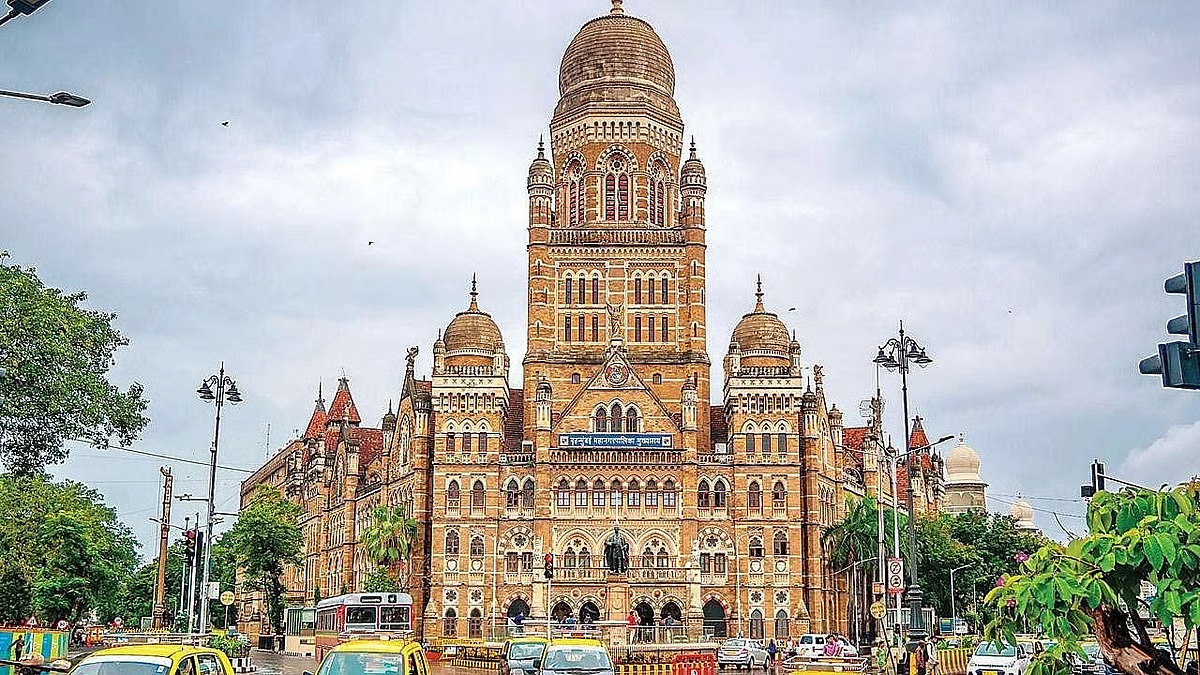
Brihanmumbai Municipal Corporation (BMC) has received an expression of interest from a private player to establish a 100-seat medical college and a 580-bed teaching hospital in Govandi. The proposal is part of a public-private partnership (PPP) model aimed at addressing the rising healthcare demand in the eastern suburbs. The medical college will be linked to the under-construction Pandit Madan Mohan Malviya Shatabdi Hospital, which is expected to begin operations soon. If completed, this will be the first civic-run medical college and hospital in the eastern suburbs and the seventh medical college in Mumbai.
According to senior officials, the submission marks a significant milestone even though only one private entity has come forward by the extended deadline of July 14. The civic body will oversee the project implementation, while the selected partner will be responsible for the design, construction, operation, and maintenance of the facility. Importantly, all educational and operational standards will align with the Maharashtra Medical Council guidelines. Officials from the civic health department clarified that the project will span at least five years, considering the planning, regulatory approvals, and phased construction. “This long-term investment is not just about expanding academic capacity but also about balancing the overburdened public healthcare system,” an official said.
Currently, the city’s medical education network comprises government-run colleges such as Grant Medical College and St George’s Medical College, and BMC-administered institutions attached to Sion, Nair, KEM, and Cooper hospitals. However, the eastern suburbs remain underserved in this regard, with Rajawadi Hospital in Ghatkopar being the only major civic healthcare facility. Experts from the city’s existing municipal hospitals noted that the addition of nearly 100 seats in recent years has not sufficiently met the growing population’s demand. “A medical college in the eastern belt is overdue. Whether under full public ownership or PPP, what matters most is sustained access to quality healthcare and training,” said a senior official from a leading civic hospital.
The proposed development aligns with the city’s broader vision of equitable and decentralised urban planning. By strategically placing medical infrastructure in historically underserved areas, the civic body aims to reduce patient congestion in central hospitals while also encouraging greener, community-centric healthcare delivery models. While the PPP model allows for faster mobilisation of resources and potentially higher quality infrastructure, civic oversight will remain key to ensuring affordability and accessibility for Mumbai’s residents. The BMC has reiterated its commitment to transparency and regulatory compliance throughout the implementation of this project.
As the city continues to grow, the addition of medical infrastructure in the eastern suburbs signals a positive step towards making Mumbai a more inclusive, health-forward metropolis, ensuring that public services evolve in pace with demographic realities.
Also Read : Kolkata grant 99-year lease to Titagarh Rail for expansion
