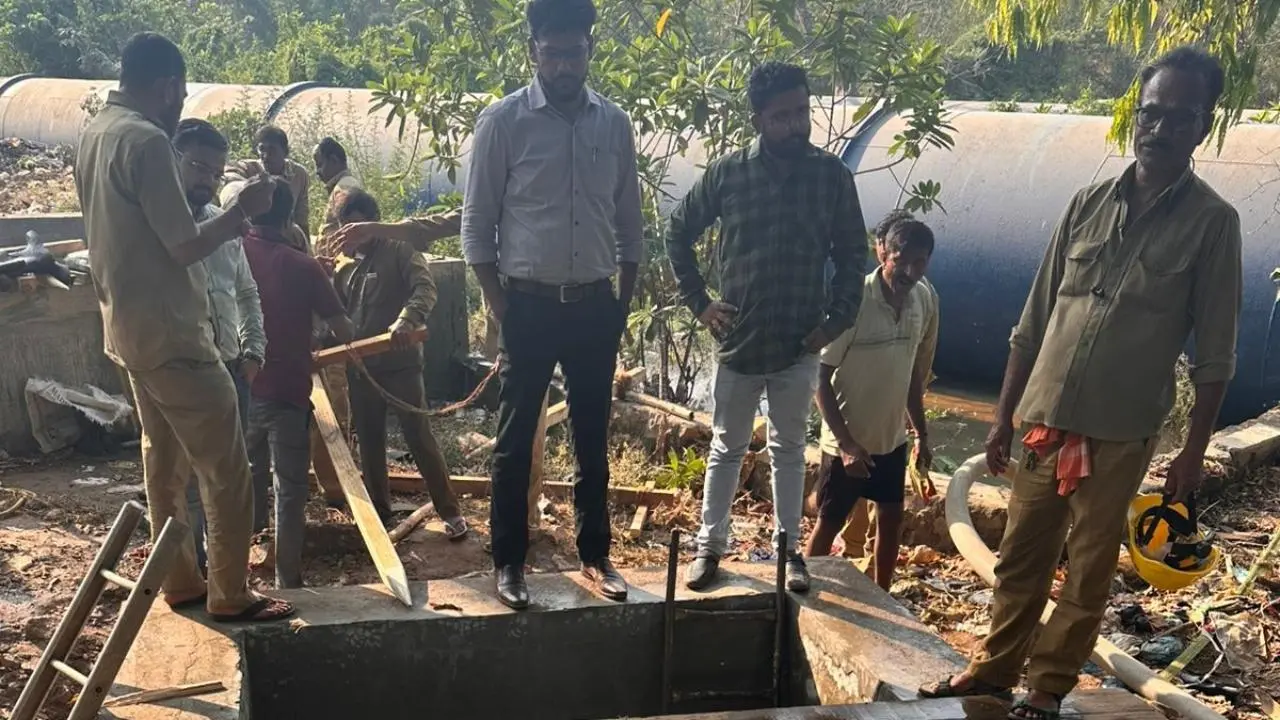
Mumbai’s civic administration has restored regular water distribution in parts of the eastern suburbs following the completion of critical repair work at a key reservoir facility in Ghatkopar. The upgrade is expected to stabilise supply in several densely populated neighbourhoods, marking the end of temporary water schedules that had been in place during the maintenance period.
The intervention focused on structural repairs to storage chambers within the reservoir system, an essential component of the city’s water distribution network. Officials indicated that the work was undertaken to improve operational reliability and prevent future disruptions in supply, particularly in areas that have experienced intermittent shortages in recent months. With the system now back online, Mumbai water supply restoration is being implemented in a phased manner across affected zones. Scheduled distribution has resumed across multiple residential pockets, with specific time slots assigned to ensure balanced supply while the network stabilises. Urban infrastructure experts note that such staggered restoration is critical in large cities, where sudden pressure changes can affect pipeline performance and water quality.
Authorities have also issued precautionary advisories to residents, recommending that water be boiled and filtered for a short period following the restoration. Public health specialists highlight that such measures are standard practice after maintenance works, as they help mitigate potential contamination risks during the initial phase of resumed supply. The Mumbai water supply restoration effort underscores the broader challenges of maintaining ageing urban infrastructure in a rapidly growing city. As demand continues to rise, periodic upgrades and repairs of reservoirs, pipelines, and pumping systems are becoming increasingly necessary to ensure consistent service delivery.
Urban planners point out that while reactive maintenance remains essential, cities must also invest in long-term resilience strategies. These include modernising storage systems, reducing leakages, and integrating smart monitoring technologies to detect faults early. Such measures can help minimise disruptions and improve efficiency across the water supply network. The recent repairs also highlight the importance of localised infrastructure interventions in maintaining citywide service continuity. Even targeted upgrades at a single reservoir can have wide-reaching impacts on multiple neighbourhoods, particularly in high-density urban areas where water demand is concentrated.
For residents, the return to normal supply is expected to ease daily routines, especially in households and small businesses that depend on predictable water availability. However, experts caution that sustainable water management will require continued attention to conservation practices and equitable distribution. As Mumbai continues to expand, the focus on infrastructure reliability is likely to intensify. The current Mumbai water supply restoration offers a reminder that maintaining essential services is as critical as building new capacity, particularly in the context of climate variability and growing urban demand.