


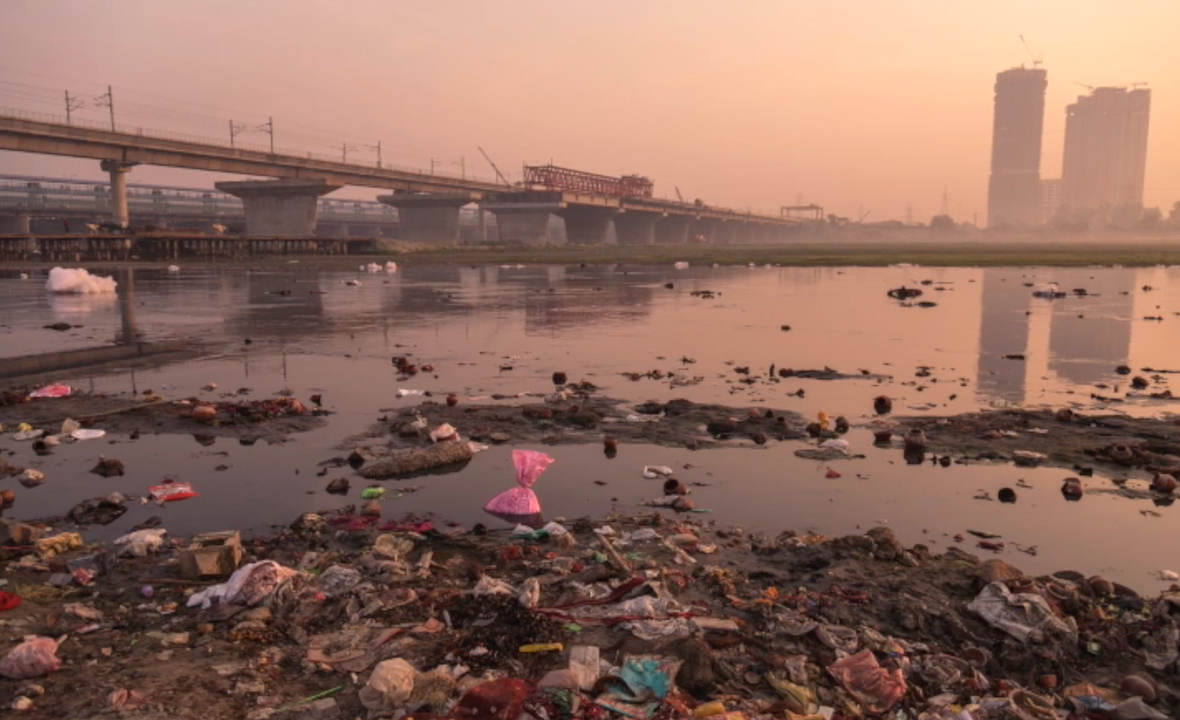
Brihanmumbai Municipal Corporation (BMC) has penalised seven establishments for unauthorised waste disposal near the Mithi River. The action marks a renewed push by the civic body to enforce zero-tolerance policies against bulk waste generators and commercial establishments that flout environmental norms.
Inspections conducted by the BMC’s L ward team led to the identification of illegal waste dumping activities at multiple locations, with a prominent offender found dumping food waste near Sakinaka on the night of July 30. Officials stated that the premises lacked basic sanitation and were in violation of BMC’s Cleanliness and Sanitation Byelaws. The violators were slapped with penalties ranging from ₹10,000 upwards. The Mithi River, flowing through densely urbanised zones like Bandra-Kurla Complex and Kurla, has long been one of Mumbai’s most environmentally vulnerable water bodies. Despite years of restoration efforts, the river remains a hotspot for solid waste, untreated sewage, and hazardous discharge from nearby commercial hubs. Authorities have reiterated that pollution control around the river is non-negotiable, particularly during monsoon, when waste accumulation poses severe public health risks.
According to senior civic officials, the ongoing crackdown was initiated under instructions from senior leadership, who directed local ward teams to conduct routine surveillance, penalise repeat offenders, and issue legal notices to violators under the Solid Waste Management Rules, 2016. Apart from food businesses, banks, housing societies, and a depot were also found violating municipal norms and have since been warned against further non-compliance. Since June 12, the BMC has imposed cumulative penalties of ₹65,000 on various entities for similar violations, underscoring a pattern of persistent disregard for waste segregation and scientific disposal practices among commercial establishments. Officials stated that these enforcement drives aim to both deter negligence and encourage accountability in managing urban waste sustainably.
Waste dumped near riverbanks often finds its way into natural drainage systems, leading to contamination, loss of aquatic biodiversity, and clogging of stormwater networks. Civic officials stressed that this has a direct impact on flood risk and water quality in Mumbai’s low-lying areas. In light of this, the administration has stepped up its focus on not only punitive actions but also long-term waste stream management strategies, including decentralised waste processing units and awareness campaigns for bulk generators. Environmental observers have long criticised the slow pace of enforcement and rehabilitation around the Mithi, but recent steps indicate a stronger resolve from municipal authorities to align city waste policies with sustainable urban development goals. The BMC’s sanitation department has pledged that further violations will result in escalated fines and possible prosecution under municipal and environmental law.
By actively targeting night-time dumping—when such activities typically occur—the civic body is closing a long-standing loophole. Surveillance will be further enhanced through CCTV coverage and local patrols in sensitive river-adjacent zones. While the penalties may appear nominal in value, officials contend that the message is more important: Mumbai’s environmental assets are not dumping grounds, and any form of negligence will be met with legal action.
Also Read: Mumbai Waste Disposal Relies On Kanjurmarg Amid Site Shortage
