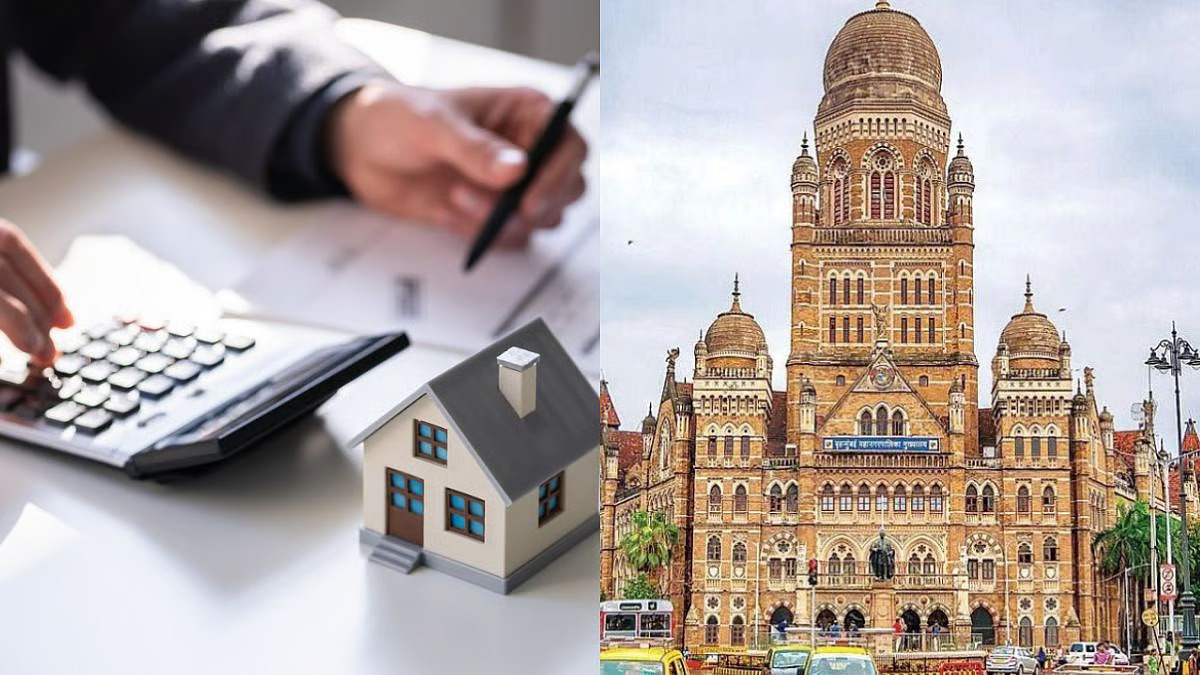
The Brihanmumbai Municipal Corporation (BMC) has approved an extension of its property tax waiver for residential units, increasing the exemption threshold from 500 square feet to 700 square feet. The resolution, passed unanimously, is expected to provide immediate financial relief to thousands of middle-class households across Mumbai, particularly in redeveloped slums and chawls where rising maintenance and living costs have strained family budgets.
Previously, property tax exemptions applied only to homes up to 500 square feet, limiting benefits for small but increasingly prevalent housing units in dense urban areas. With the new threshold, more families are expected to benefit directly, though municipal officials estimate a potential revenue shortfall of around ₹700 crore for the civic body. Industry analysts note that such waivers, while fiscally significant, also help retain original residents within the city and prevent outward migration driven by affordability pressures. Urban policy experts highlight that the BMC’s decision reflects a growing focus on balancing fiscal needs with socio-economic inclusivity. Smaller households, often housed through private redevelopment schemes or cluster redevelopment programmes, face challenges in meeting property tax obligations alongside everyday expenditures such as education, healthcare, and maintenance. Extending the tax waiver aligns with a broader vision of promoting equitable urban retention and fostering inclusive city growth.
The proposal was initiated in the municipal council by a senior representative of the ruling alliance and, following unanimous approval, will undergo standard administrative processing. This includes zonal review, legal verification, and final sanction by the Municipal Commissioner before an official circular formally enacts the exemption. Officials indicate that the rollout is expected to be swift, providing timely relief to eligible residents ahead of upcoming billing cycles. Economists suggest that the policy change may also indirectly influence local real estate dynamics. By reducing recurring costs for small homeowners, the measure could stabilise property retention in neighbourhoods facing redevelopment pressures, helping preserve social fabrics in established communities. “Measures like this not only support household budgets but also reinforce sustainable urban living patterns,” said an urban planning analyst.
While the move represents a notable concession, officials emphasise that it forms part of a broader strategy to balance revenue generation with social equity. Future measures may explore targeted support for marginalised households, integrating tax relief with infrastructure upgrades and civic service improvements. The BMC’s approach demonstrates an increasing recognition that urban resilience and citizen affordability are mutually reinforcing objectives in India’s megacities. The extended property tax exemption is projected to provide immediate economic breathing space for thousands of Mumbaikars, reducing the financial pressure on households in compact homes. Observers note that this step underscores the importance of people-first urban policy, ensuring that residents can continue to live and invest in the city without undue fiscal strain.
BMC Extends Housing Tax Exemption To 700 Sq Ft