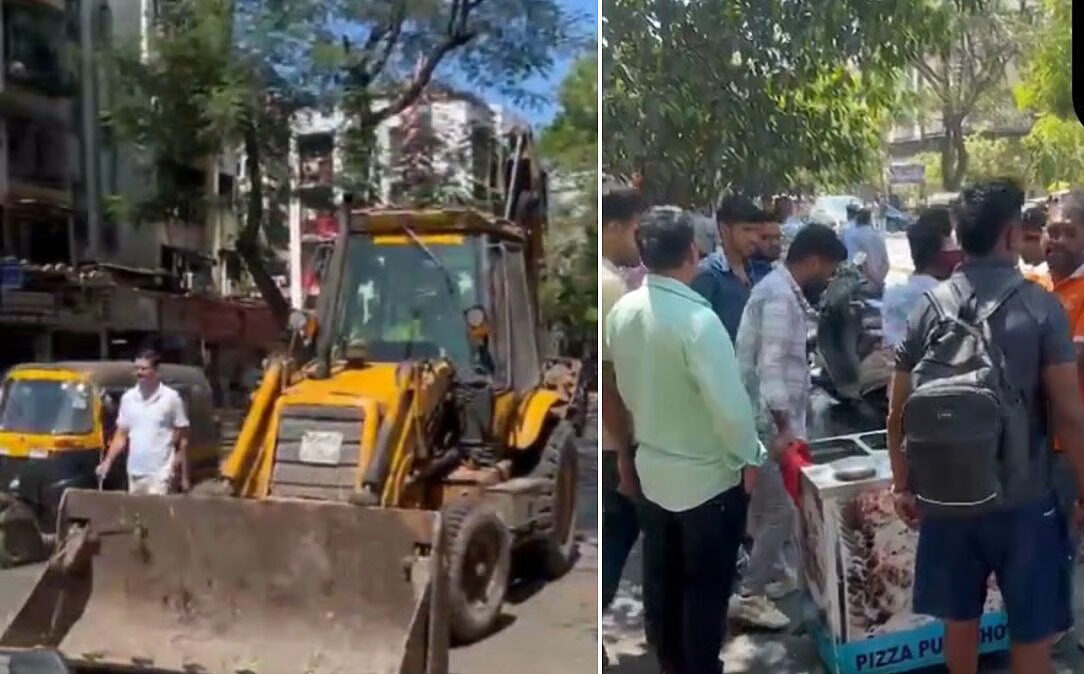
Mumbai authorities intensified efforts to reclaim pedestrian spaces in Kandivali’s Thakur Complex, Ward 24, with a major drive targeting unauthorised hawkers and encroachments. The action, carried out on Friday, forms part of the Brihanmumbai Municipal Corporation’s (BMC) wider citywide campaign to improve urban mobility, reduce congestion, and restore public access to footpaths. Local residents noted that pavements in the area had become increasingly obstructed, complicating daily commutes and affecting pedestrian safety.
BMC officials, working alongside local representatives and police personnel, dismantled illegal stalls and cleared obstructed pathways. A senior civic official described the operation as a necessary step to address long-standing complaints about footpath congestion and its impact on traffic flow. “The removal of encroachments is critical to ensuring safer, more accessible streets and promoting equitable use of public space,” the official added. The drive also seeks to address systemic challenges posed by informal hawking networks. Urban planners highlight that unchecked street vending in high-density areas often disrupts pedestrian circulation, exacerbates congestion, and creates safety hazards. Officials indicated that a coordinated approach, including licensing and monitoring, is key to balancing livelihoods and public space usage.
Authorities clarified that the crackdown is focused on unauthorised vendors obstructing public pathways. Licensed operators, including cobblers and booths serving differently-abled residents, were exempted from removal. “Structured licensing ensures that street vendors can operate without compromising public safety or mobility,” a municipal spokesperson explained. Civic sources also pointed to available government schemes that support eligible individuals in formalising their businesses, thereby providing alternatives to illegal street vending. A local councillor emphasised that enforcement would be consistent, aiming to prevent reoccupation of cleared spaces. Officials underscored that dismantling encroachment networks is not solely about immediate removal but also about long-term compliance. “Sustainable urban management requires ongoing monitoring, regulatory clarity, and community engagement,” noted an urban governance expert.
Residents welcomed the initiative, observing that cleared footpaths could enhance walkability, improve access for emergency vehicles, and contribute to a safer and more navigable neighbourhood environment. Urban development specialists suggest that such drives, when coupled with supportive measures for legitimate vendors, help foster inclusive and resilient public spaces while promoting responsible urban growth. The Thakur Complex operation reflects a broader municipal strategy to balance the rights of street vendors with civic obligations, mitigate pedestrian hazards, and advance equitable urban infrastructure. Continued monitoring and collaboration with local communities will be critical to sustaining the gains from these interventions and ensuring public spaces remain accessible and safe.
BMC Drives Out Unauthorised Vendors Kandivalis Thakur Complex