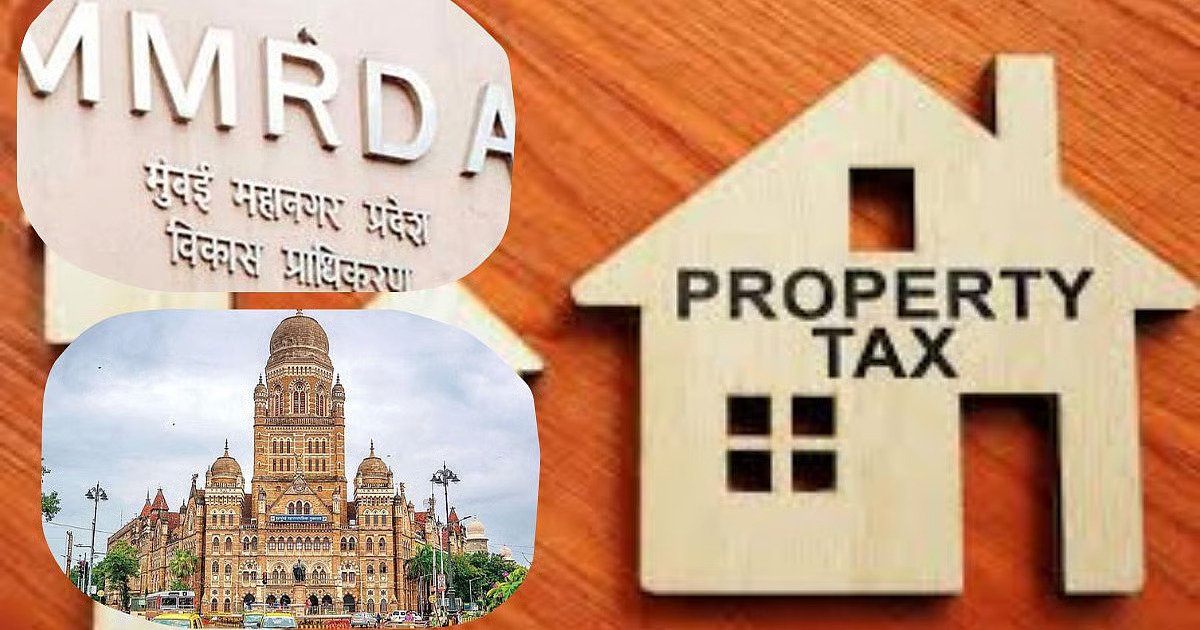
Mumbai’s municipal administration has intensified efforts to recover large outstanding dues from state-run agencies, highlighting the growing importance of property tax as a stable revenue stream for urban governance. The civic body has formally sought payment of over ₹2,200 crore in pending property tax liabilities from key public authorities, signalling a renewed push to strengthen its financial position ahead of the fiscal year close.
According to officials familiar with the development, the dues are linked to properties held by major infrastructure and housing agencies across the city. These include land parcels, transit infrastructure sites and residential stock under public ownership. A significant portion of the arrears is attributed to long-pending tax payments as well as accumulated penalties over several years. The move reflects the municipality’s increasing dependence on property tax collections to fund essential services such as water supply, waste management, road maintenance and urban infrastructure upgrades. Since the removal of octroi following the introduction of the Goods and Services Tax, property tax has emerged as the single largest source of municipal revenue, making timely collection critical for fiscal stability.
The Mumbai property tax dues issue also brings attention to the complex financial relationship between civic bodies and state agencies. While these agencies play a central role in delivering large-scale housing and infrastructure projects, delays in tax payments can strain municipal budgets and impact service delivery. Urban finance experts note that improving compliance among institutional property holders is as important as widening the tax base. With over nine lakh properties under its jurisdiction, the civic body has already recorded strong collections this year, surpassing previous benchmarks. However, unlocking high-value arrears from government-linked entities could significantly enhance its capacity to invest in long-term urban infrastructure.
At the same time, policy decisions around tax exemptions continue to shape revenue dynamics. A substantial number of smaller residential units remain exempt from property tax under existing rules, reflecting an effort to protect low-income households. Recent proposals to expand this exemption threshold further could have implications for future revenue streams, increasing the need for efficient recovery from larger and institutional property owners. The Mumbai property tax dues recovery drive also underscores the need for transparent accounting and coordination between multiple public agencies operating within the city. Experts suggest that clearer frameworks for inter-agency financial obligations could help avoid prolonged disputes and ensure smoother fiscal management.
As Mumbai continues to expand and invest in climate-resilient infrastructure, reliable municipal revenues will play a crucial role in sustaining growth. The outcome of this recovery effort is likely to influence not only the city’s immediate financial health but also its ability to plan and execute long-term development projects.
BMC Directs MMRDA And MHADA To Clear Rs 2287 Crore Tax Dues