


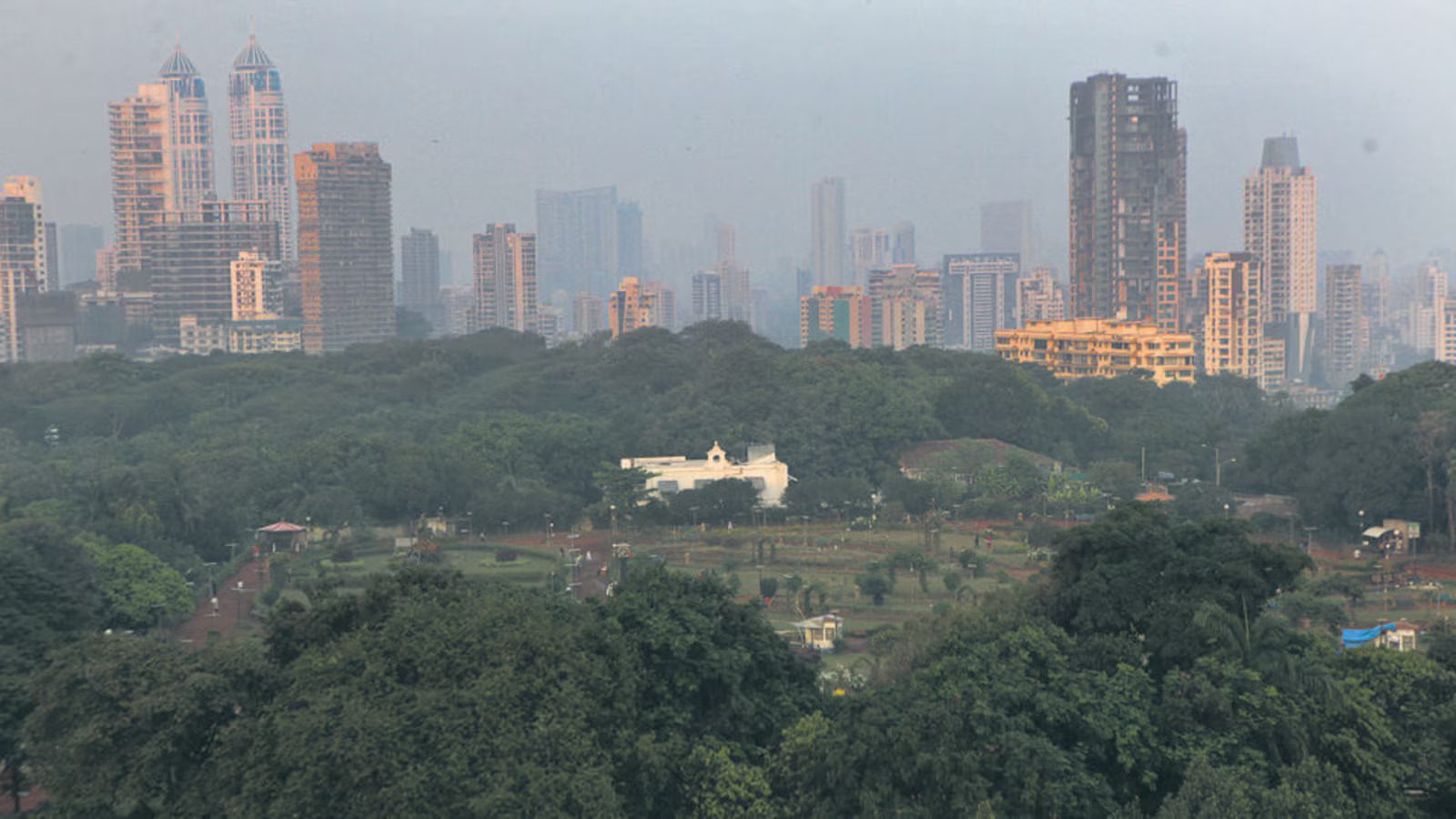
Mumbai’s civic administration has drastically reduced the number of trees to be cut for the construction of alternative water tanks at Malabar Hill—from an initial 400 to just 50. The revised design is part of a strategic plan to ensure uninterrupted water supply to south Mumbai while critical repairs are carried out on the 138-year-old Malabar Hill reservoir.
Officials in the city’s waterworks department confirmed that the earlier proposal involved a single, large 52 million litres per day (MLD) tank, based on recommendations from a technical assessment by the Indian Institute of Technology Roorkee. However, this design would have required extensive tree felling, prompting public concern over the loss of green cover in the heritage-rich Malabar Hill area. Following consultations with local stakeholders and environmental feedback, planners opted for a distributed model—constructing smaller tanks at three different locations instead of one massive structure. This change not only preserves a substantial portion of the surrounding greenery but also reduces the environmental footprint of the project.
The revised plan brings down tree cutting first from 400 to 100, and now to 50. According to civic officials, half of these will be removed from the site behind Hanging Gardens to make space for a valve gallery. The remainder will be spread across the other two locations. The consultancy engaged for the project is set to submit the updated proposal for final approval this week. The Malabar Hill reservoir plays a vital role in the city’s water distribution network, supplying approximately 240 MLD to the A and D wards of south Mumbai, which include key areas such as Nariman Point, Colaba, Churchgate, Cuffe Parade, Girgaon, Nepean Sea Road, and Malabar Hill. Originally, the civic body had considered demolishing the old reservoir entirely, but the IIT Roorkee study concluded that full demolition was unnecessary.
Instead, the report recommended building an alternative tank to facilitate phased repairs without affecting supply. This approach safeguards the iconic Hanging Gardens, which sit atop the reservoir, while also avoiding an estimated ₹1,000 crore in reconstruction costs. The study also examined the option of compartmentalised repairs to the existing tank, but this was found to be more disruptive to the gardens and surrounding green space. Officials emphasise that the revised approach demonstrates how civic infrastructure upgrades can be balanced with ecological preservation. By integrating environmental concerns into technical decision-making, Mumbai is setting a precedent for sustainable urban development—ensuring that critical public utilities are upgraded without eroding the city’s ecological assets.
Also Read: Mumbai Faces Heavy Rain Yellow Alert in Place for Four Days
