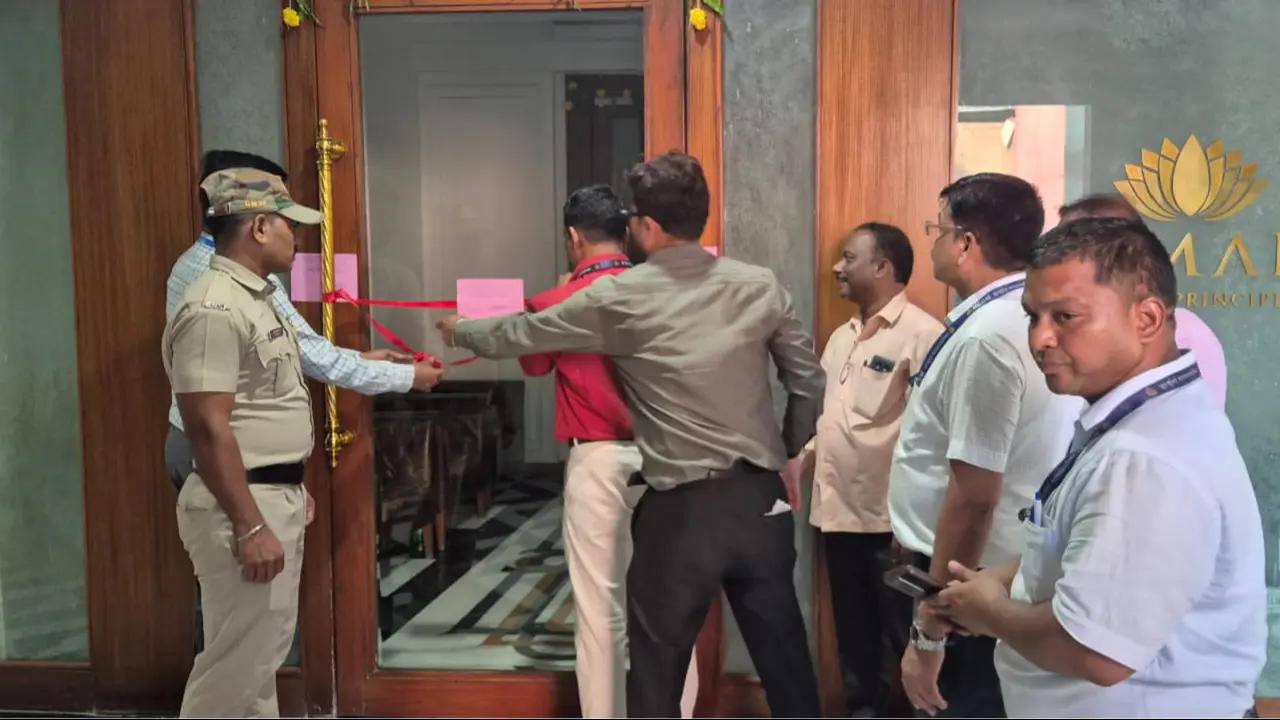
Mumbai’s municipal administration has escalated its enforcement against property tax defaulters, attaching multiple commercial units in the Kamala Mills precinct as part of a wider year-end recovery push. The action reflects a sharper fiscal approach by the Brihanmumbai Municipal Corporation to secure revenue critical for sustaining urban infrastructure and essential services.
Civic officials confirmed that enforcement teams moved against several premises after dues remained unpaid beyond stipulated timelines. The operation, led by the assessment and collection department in coordination with a local ward office, resulted in the attachment of seven units, including office spaces and utility-linked facilities. Water supply to the affected properties was also suspended, signalling a stricter compliance stance. The crackdown comes at a time when municipal finances are under increasing pressure to support large-scale infrastructure, climate resilience measures, and public service delivery across the city. Property tax remains one of the most significant revenue streams for the Brihanmumbai Municipal Corporation, funding everything from road maintenance and drainage upgrades to waste management systems and urban health services.
According to officials familiar with the process, the recovery drive is part of a broader effort to close the financial year with improved collections. With outstanding dues running into crores across the city, authorities are prioritising high-value commercial properties where non-payment significantly impacts municipal cash flow. Experts note that such targeted enforcement improves fiscal discipline while also sending a strong signal to habitual defaulters. Urban finance specialists point out that consistent tax recovery is essential for cities like Mumbai, where infrastructure demands are rising alongside population growth. Reliable revenue allows civic bodies to invest in sustainable upgrades, including flood mitigation systems, sewage treatment expansion, and low-carbon transport initiatives. Delays in collection can, in turn, affect project timelines and service quality.
However, the move also raises questions around balancing enforcement with ease of compliance. Industry observers suggest that while strict action is necessary, improving transparency in billing, dispute resolution mechanisms, and digital payment systems could enhance voluntary compliance. In recent years, civic bodies across India have increasingly adopted technology-driven solutions to streamline tax collection and reduce disputes. To facilitate payments ahead of the financial year deadline, municipal authorities have extended working hours at civic facilitation centres, allowing property owners additional time to clear pending dues. Officials have reiterated that failure to comply could lead to further coercive measures, including additional attachments and service restrictions.
As Mumbai continues to invest in resilient and inclusive urban infrastructure, sustained revenue mobilisation will remain central to its growth strategy. The latest enforcement action underscores a shift towards tighter fiscal governance, where compliance is not only encouraged but actively enforced to support the city’s long-term development priorities.
BMC Cracks Down On Kamala Mills Properties Over Rs 14 Crore Tax Dues