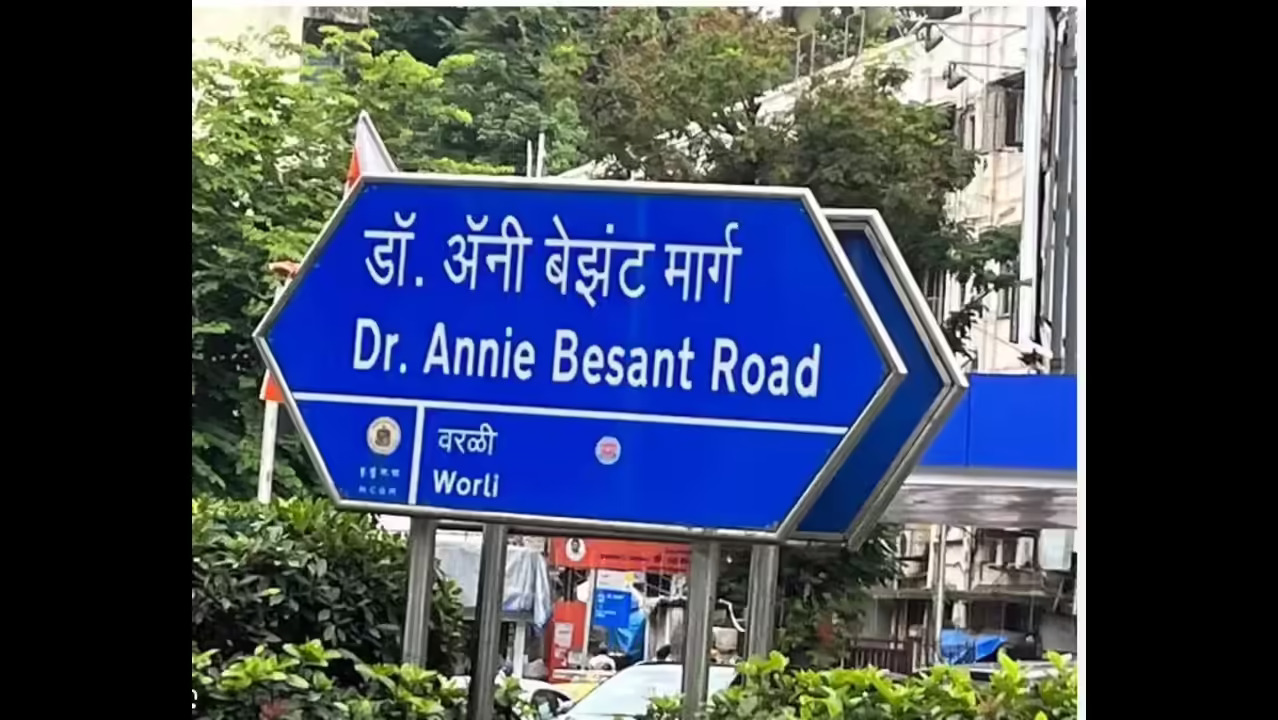
Mumbai’s civic administration is preparing to revisit a long-pending and often emotive issue: the naming and renaming of roads, chowks, and public facilities across the city. As the general body of the Brihanmumbai Municipal Corporation resumes full legislative functioning, proposals linked to civic naming conventions have emerged as one of the most prominent items on its February agenda. While symbolic in nature, these decisions carry wider implications for urban identity, governance priorities, and public consensus.
Of the proposals scheduled for discussion, a significant majority relate to renaming existing roads or assigning names to newly created civic infrastructure. Many of these suggestions were originally submitted several years ago by elected ward representatives but remained unresolved after the dissolution of the earlier general body. With administrative continuity restored, these pending items are now among the first to be taken up for deliberation. Under Mumbai’s municipal framework, the process of naming public spaces is decentralised. Ward-level representatives initiate proposals, which are examined by relevant civic committees before final approval. Roads and chowks fall under ward committees, while bridges, markets, and gardens are cleared by specialised panels. However, when the elected body was dissolved, several such proposals were routed directly to the municipal administration and placed on hold, pending a political mandate.
Urban governance experts point out that while naming debates often attract public attention, they also reflect deeper questions about how cities memorialise history and culture. In a rapidly expanding metropolis like Mumbai, new infrastructure—from roads and bridges to sports facilities—continues to be added at scale. The choice of names can influence neighbourhood identity, wayfinding, and even perceptions of inclusivity in shared civic spaces. Among the proposals expected to be discussed are those linked to newly built public amenities such as swimming pools and flyovers, as well as renaming prominent road intersections and arterial links. Some older decisions, including previously cleared names that generated public debate, are also slated for reconsideration. Civic officials familiar with the agenda say the intent is to allow elected representatives to take ownership of decisions that were deferred during the interim period.
Beyond naming issues, the February sessions are also expected to address more substantive urban concerns, including the formation of special committees, improvements to walking and cycling infrastructure, and measures to support traditional livelihoods operating within regulated civic markets. Urban planners argue that placing symbolic decisions alongside functional infrastructure issues reflects the dual role of municipal bodies: shaping both the physical and cultural fabric of the city. For residents, the renewed focus on renaming raises practical considerations as well. Changes to road names can affect addresses, business registrations, navigation systems, and emergency services, making clarity and consultation critical. Civic sources indicate that any approved changes would follow established notification and transition protocols to minimise disruption.
As Mumbai balances heritage, political expression, and the demands of a growing, climate-stressed city, the outcome of these discussions will signal how the civic body prioritises symbolism alongside pressing urban challenges. The coming sessions are likely to set the tone for how cultural identity is negotiated within the city’s broader development agenda.
BMC Considers New Names For City Roads