


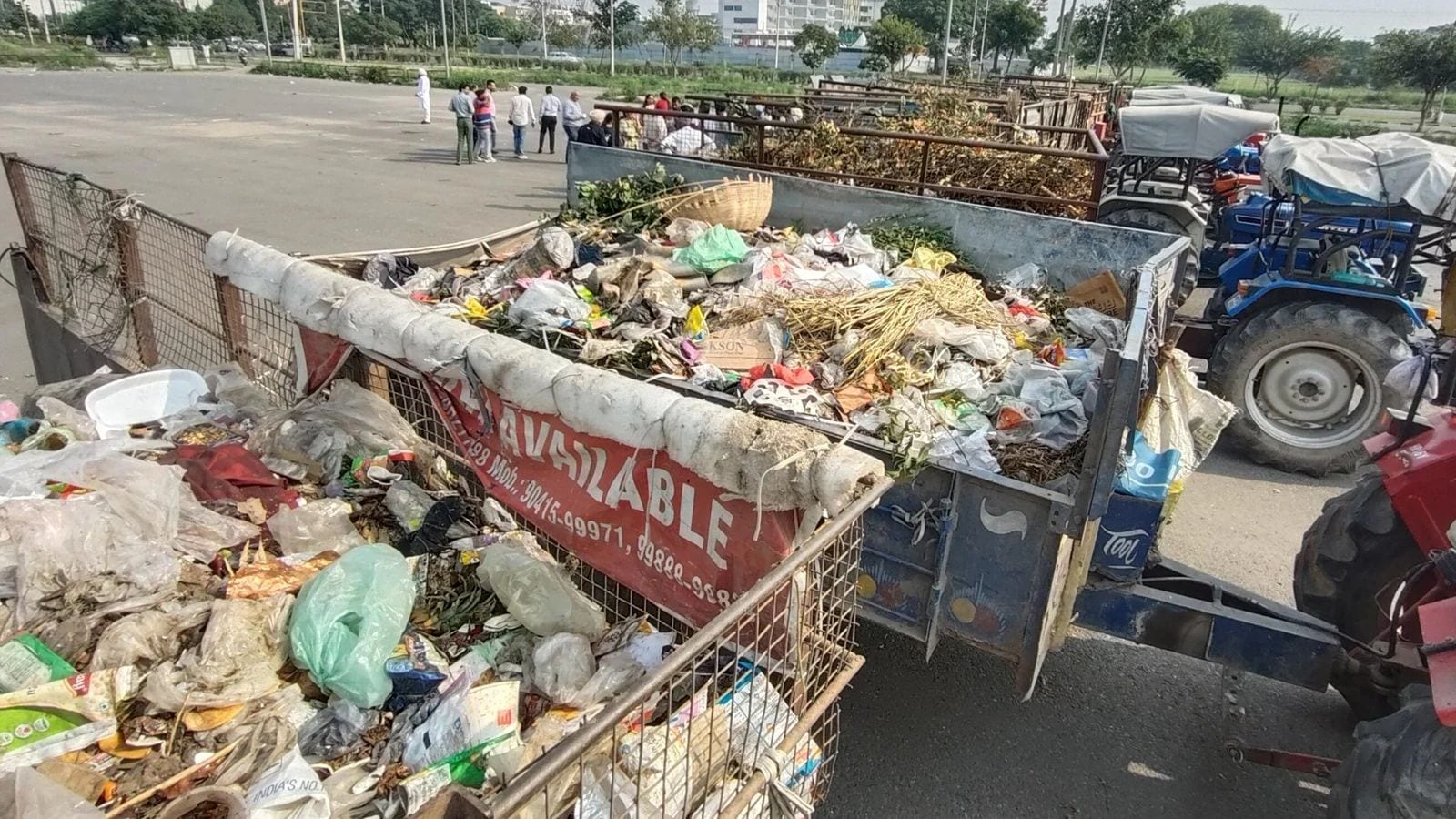
Brihanmumbai Municipal Corporation (BMC) has collected 586.5 metric tonnes of sanitary and hazardous waste within six months of launching its special waste segregation drive. The initiative, covering nearly seven lakh households across the city, is designed to streamline disposal practices and protect sanitation workers from exposure to health risks.
Mumbai generates between 7,000 and 8,000 metric tonnes of waste daily, of which approximately 10 per cent—around 70 to 80 metric tonnes—is classified as sanitary or hazardous waste. This category includes items such as diapers, sanitary napkins, medical bandages, and chemical residues that require special handling. Traditionally, much of this waste ends up mixed with general household garbage, complicating segregation at dumping grounds and posing serious environmental and occupational health hazards. Launched in May 2025, the BMC’s targeted drive aims to establish a more decentralised and responsible waste management system. The civic body introduced door-to-door collection mechanisms for domestic sanitary waste (DSW) and hazardous household materials, with specially marked bins provided in select wards. According to civic officials, the initiative’s success in collecting nearly 600 tonnes of waste demonstrates strong public response and improved compliance with segregation norms.
An official from the solid waste management department said that the data from the first six months has provided vital insights into household waste patterns. “Citizens have responded positively to the awareness campaigns. The dedicated collection network has made segregation easier and safer, particularly for our sanitation workforce,” the official said. Experts note that such focused interventions are essential for building circular waste economies and reducing the environmental footprint of megacities. Proper collection and treatment of sanitary and hazardous waste not only prevents contamination of water and soil but also reduces the strain on Mumbai’s overburdened landfills.
The BMC now plans to expand the initiative citywide and integrate data-driven monitoring for better accountability. Future phases may include community-level waste processing units, reducing long-distance waste transport and aligning with Mumbai’s broader goals of achieving sustainable and inclusive urban management. For a densely populated city like Mumbai, where waste generation continues to rise alongside urbanisation, the drive signals a practical step towards cleaner neighbourhoods and a more resilient urban ecosystem.
Also Read: BMC Plans Consultant Appointment To Accelerate Land Acquisition For Coastal Road Extension
