


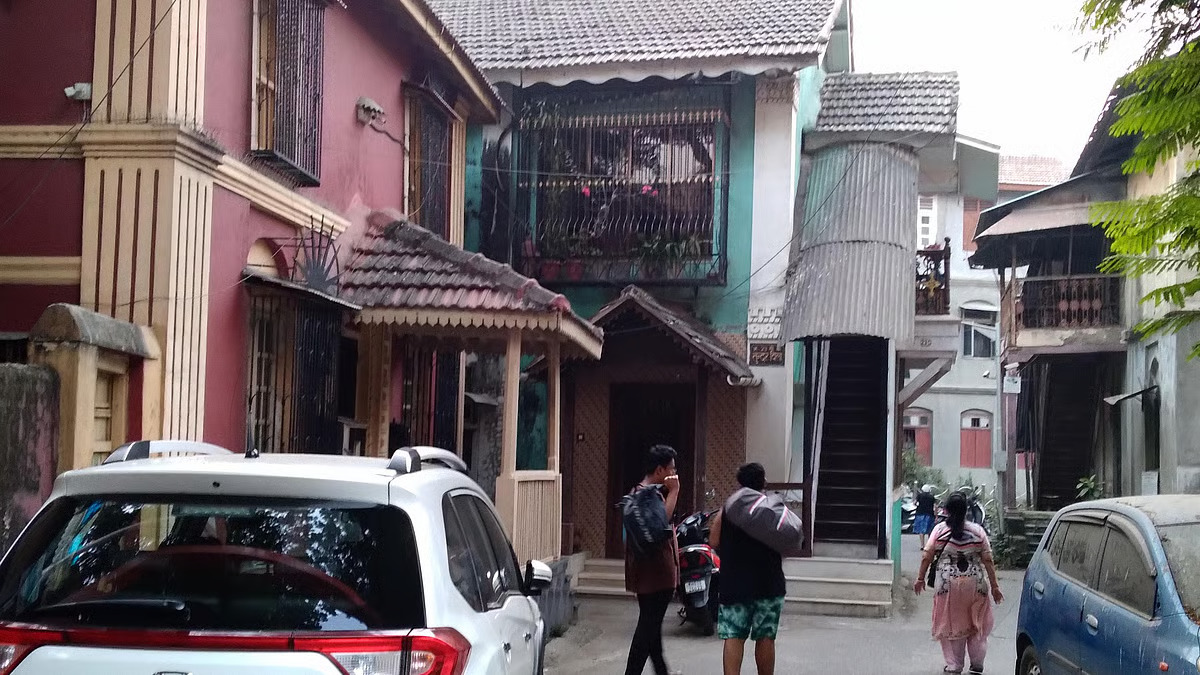
Mumbai’s civic administration has moved to clarify growing concerns over the absence of gaothan, koliwada, and adivasi pada boundaries in the city’s Development Plan 2034, stating that these will be demarcated once the revenue department finalises records. The assurance comes after repeated demands from citizens’ groups and heritage associations who fear that historical settlements could be misclassified as slums, opening the door to rehabilitation projects that threaten their traditional character.
According to civic officials, only a portion of gaothans and koliwadas currently appear on the plan, sparking criticism from residents who argue that centuries-old communities have been overlooked. The administration confirmed that while 52 gaothans and 22 koliwadas have been mapped based on available surveys, additional diagrams from the revenue and fisheries departments are awaited before the rest can be incorporated. Officials stressed that the omission is procedural rather than intentional and hinges on interdepartmental coordination. The stakes for residents are significant. Many of these village-like clusters predate the formation of modern Mumbai, representing some of the earliest urban settlements along the coast and hinterlands. Without formal recognition in the Development Plan, locals fear their homes could be absorbed into redevelopment schemes under slum rehabilitation rules, erasing not just housing but also a cultural legacy of fishing, farming, and community traditions.
Experts note that the controversy exposes deeper gaps in urban planning. Despite the approval of the Development Plan in 2018 under the Maharashtra Regional and Town Planning Act, clarity on how traditional settlements fit into the city’s regulatory framework remains elusive. Urban researchers argue that dedicated Development Control Promotion Regulations (DCPR) for these areas could preserve their identity while ensuring infrastructure upgrades, but Mumbai remains the only region in the metropolitan zone without such tailored provisions. The civic body has indicated that while provisions for reconstruction and redevelopment exist within the current DCPR, these remain suspended pending instructions from the state’s urban development department. Officials stated that a request has already been raised to amend the regulations, signalling the possibility of future changes that may offer stronger safeguards to residents.
Community associations, however, continue to voice unease, calling for immediate recognition of all missing settlements. For them, the issue is less about administrative procedure and more about the right to live with dignity in spaces that embody the city’s original fabric. Civil society groups argue that neglecting these communities contradicts the vision of inclusive and equitable urban development. The debate highlights the challenge of balancing heritage conservation with the imperatives of modern planning. For Mumbai, a city under constant development pressure, the way forward will depend on how effectively authorities integrate these historic neighbourhoods into the blueprint of a sustainable, equitable metropolis without erasing their unique identity.
Also Read : Thane Municipal Corporation Announces 24 Hour Water Cut On September 19
