


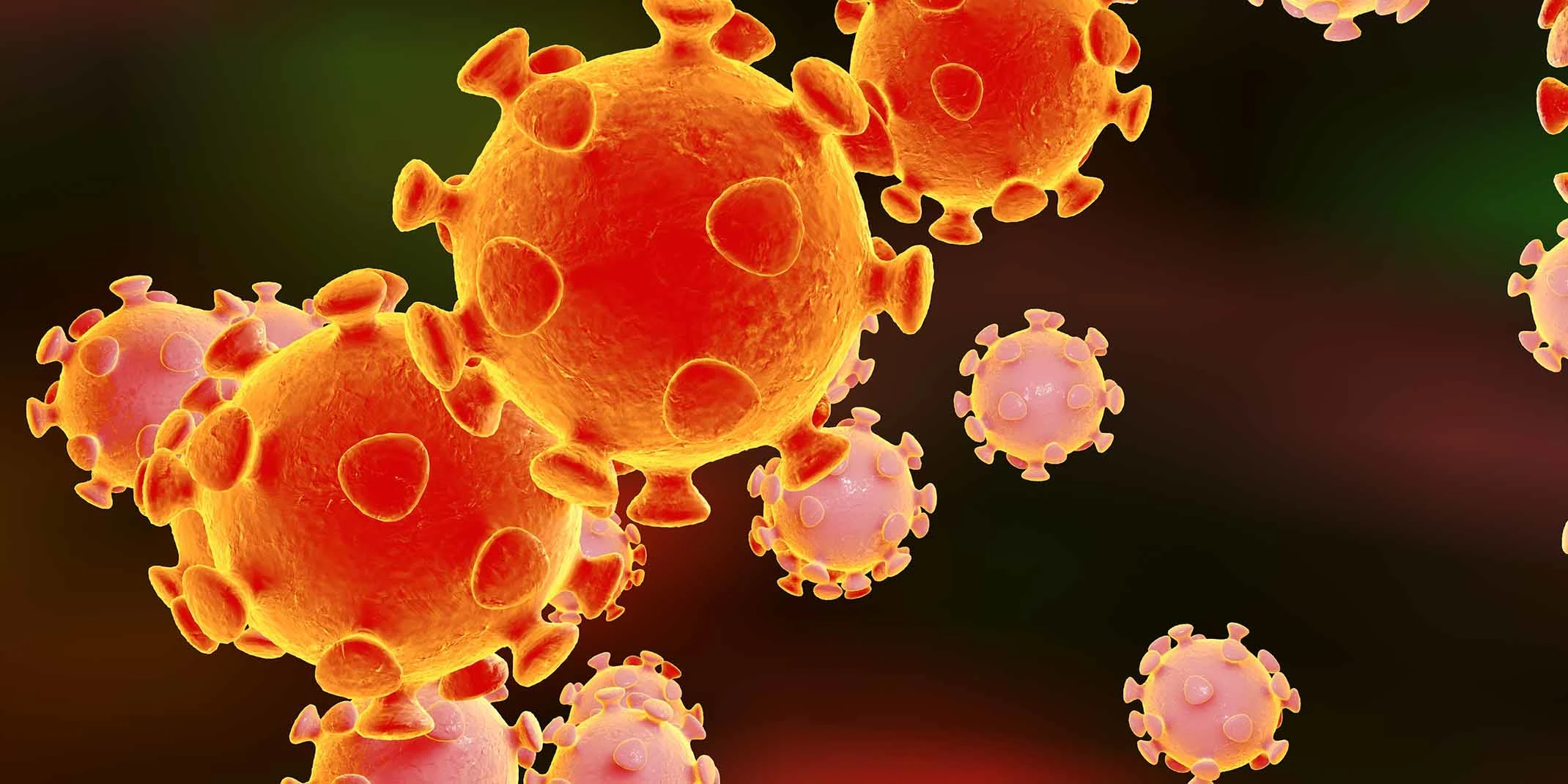
The Brihanmumbai Municipal Corporation (BMC) has initiated heightened surveillance and mitigation measures, reaffirming its commitment to safeguarding public health within India’s bustling financial capital.
This proactive stance extends beyond COVID-19, encompassing vigilant monitoring of influenza-like illnesses (ILI) and severe acute respiratory infections (SARI), essential for ensuring the ongoing resilience and sustainability of the city. A robust public health infrastructure, accessible to all, is a cornerstone of an equitable, eco-friendly, and gender-neutral urban environment, and Mumbai’s swift action underscores this imperative. The BMC has confirmed the intensification of testing protocols for suspected individuals, ensuring that positive cases receive prompt treatment in accordance with established health guidelines. A critical component of this intensified effort is the ongoing genome sequencing of positive samples. This genomic epidemiology is vital for identifying circulating viral variants, understanding transmission pathways, and formulating agile and effective treatment strategies. Such data-driven approaches are fundamental to managing potential outbreaks and ensuring public health security in densely populated urban centres.
Despite the recent uptick in reported infections, the number of active cases in Mumbai remains relatively low. However, health authorities underscore the importance of maintaining genomic surveillance as a precautionary measure. Furthermore, the Health Department has identified instances of co-infection with the H3N2 virus in several cases, prompting deeper clinical analysis through the Death Audit Committee to ascertain causality where fatalities have occurred. This layered approach to health data analysis is indicative of a mature public health response. A discernible shift in monthly trends highlights the recent rise in cases. After reporting just a single COVID-19 case in January and February respectively, and none in March, Mumbai recorded four cases in April. However, May has witnessed a more significant increase, with 120 new cases logged so far. Despite this surge, the city has maintained a strong recovery rate, with 2,146 patients already recuperating. This recovery trajectory provides a measure of confidence in the city’s healthcare system’s capacity to manage the caseload effectively.
Beyond Mumbai, the national landscape reveals a continued but managed presence of COVID-19. As of May 19, 2025, India reported 257 active cases, with Kerala leading the count at 69 infections, followed by Maharashtra with 44, and Tamil Nadu registering 34 cases. While other states also report new infections, public health experts maintain a reassuring outlook, asserting that the overall situation remains under control without signs of an unusual or widespread outbreak. This assessment is bolstered by the presence of efficient quick detection systems, enhanced monitoring capabilities, and agile rapid response teams poised to manage any evolving developments. A key area of epidemiological focus for health experts globally is the JN.1 variant, a sub-lineage of the Omicron variant. Known for its high transmissibility and distinctive spike protein mutations, JN.1 typically manifests as a mild to moderate illness, with symptoms generally resolving within one to two weeks. Nonetheless, clinicians note that severe cases can occasionally lead to prolonged illness. The potential for asymptomatic transmission of this variant remains a concern, necessitating continued vigilance. Global trends, such as Singapore reporting a 28 per cent rise in cases and Hong Kong recording its highest COVID-related death toll in a year, serve as pertinent reminders of the virus’s persistent threat.
In light of these developments, health officials emphatically underscore the enduring importance of vaccination, rigorous personal hygiene practices, and continued surveillance to avert another potential wave of infections. The current relatively low case numbers present a critical window of opportunity to reinforce these preventive measures. By ensuring widespread access to information, testing, and vaccination, public health authorities are actively working towards an equitable health outcome for all citizens. This integrated approach is crucial for building resilient urban societies capable of navigating future health challenges while concurrently advancing towards broader goals of sustainability and a healthier environment for all.
Also Read: Mumbai Godrej Reaffirms Biodiversity Conservation Drive
