


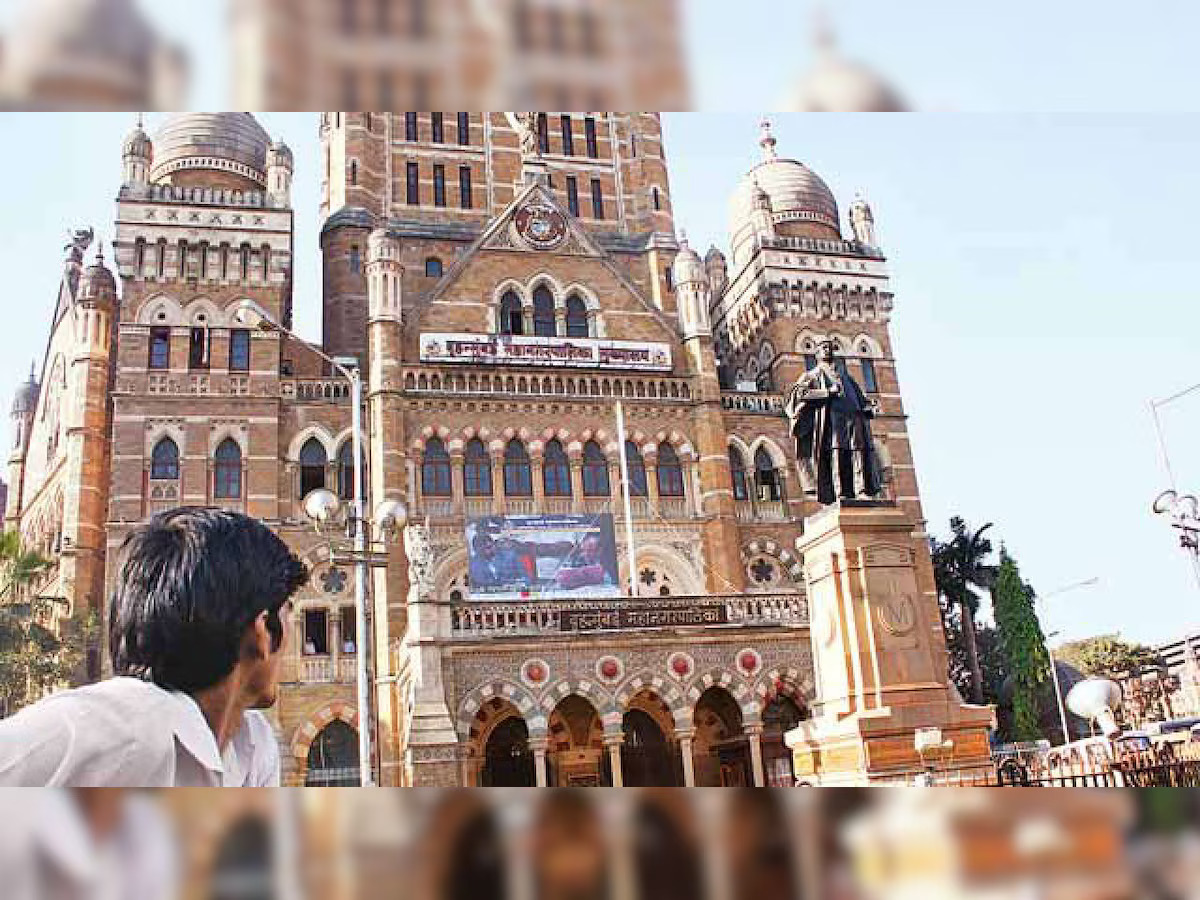
Brihanmumbai Municipal Corporation (BMC) has proposed doubling the floor space index (FSI)-free area permitted for fitness centres in residential complexes. The measure, expected to encourage healthier lifestyles, will expand the allocation from 2% to 4% of a project’s total built-up area. Officials confirmed that amendments to the Development Control and Promotional Regulations (DCPR) 2034 are being processed to formalise this shift. Once cleared, the regulation will allow developers to incorporate larger gyms, yoga halls, and meditation centres in housing societies without the additional burden of FSI calculations.
Currently, housing projects can allocate only a fraction of their total built-up space for fitness-related infrastructure. For a building with 100,000 square metres, just 2,000 square metres are permitted as FSI-free fitness space. Under the new plan, this allocation will double to 4,000 square metres, providing greater scope for shared health facilities. According to civic officials, the proposal emerged after sustained feedback from architects, developers, and residents who highlighted the inadequacy of existing allocations. Fitness centres built under the earlier 2% allowance often accommodated no more than seven or eight users at a time, falling short of demand in high-density residential towers.
Urban planners have welcomed the decision as a progressive step. Experts argue that accessible fitness infrastructure inside housing complexes is no longer a luxury but a necessity in a city battling sedentary lifestyles, rising stress levels, and space constraints. They further noted that dedicated, well-designed centres within complexes reduce dependence on external gyms and help promote community-based wellness practices such as yoga and meditation. The civic body has also mandated that these facilities be strictly used for health and recreational activities, ruling out their conversion into commercial spaces. Proposals submitted by developers will be vetted to ensure compliance. Officials emphasised that misuse of FSI-free provisions in the past has led to irregularities, making strong monitoring essential this time.
Some planners, however, cautioned that merely allocating additional space is not enough. They urged the BMC and state authorities to also monitor the upkeep of such centres, ensuring they remain functional and accessible to all residents, including senior citizens, women, and children. With over 20 million residents and limited public open spaces, Mumbai continues to grapple with infrastructure challenges that affect quality of life. Civic experts believe that incentivising fitness within private residential spaces is one way of addressing these concerns while aligning with the broader goal of building healthier, more sustainable cities.
The proposal is currently open for public suggestions and objections before the state government finalises the amendment. If approved, it is expected to set a precedent for other cities seeking to integrate health-centric planning into housing regulations.
Also Read: MSRDC Plans To Add More EV Charging Stations Along Mumbai Pune Expressway
